From This Page
 Best Overall
Recommended by Stripes & Willows
Best Overall
Best Overall
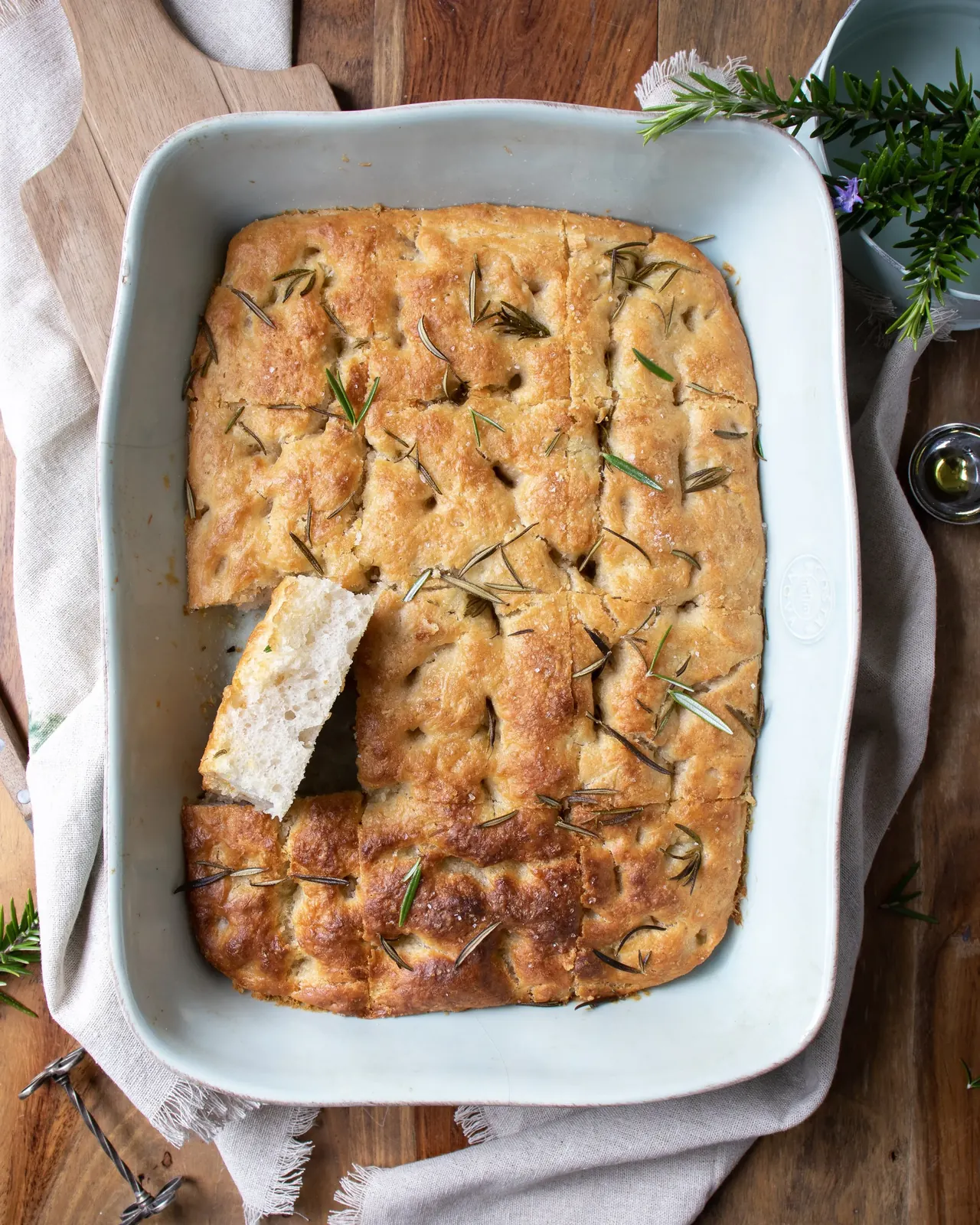
If I want the short answer, the best bakeware material for crusty bread is cast iron. A preheated cast-iron pot or Dutch oven holds intense heat and traps the dough’s own steam, which is exactly what helps a loaf spring well and form a crackling crust. For pan breads and everyday sandwich loaves, I usually lean toward light-colored metal instead, but for a crusty boule, heavy heat-retaining bakeware is the clear winner.
Material is only part of the story, though. Color, thickness, shape, and temperature limits all affect how bread bakes. A dark, thin pan can brown too fast, while a heavier vessel gives you more control. That is why I think in terms of bread style first, then choose the material that suits it.
For crusty bread, cast iron sits at the top of the list. It stores a great deal of heat, so when the dough hits the hot surface it gets a strong burst of energy early in the bake. That helps with oven spring, and the enclosed environment of a lidded vessel keeps steam close to the loaf long enough for the crust to develop properly before it sets.
This is the material I would choose for hearth-style sourdough, boules, and other free-form loaves with a deep crust. The heavy walls stay hot even after the lid comes off, which helps the loaf finish with good color.
There are trade-offs. Cast iron is heavy, slow to cool, and needs sensible care if it is bare rather than enameled. I would also preheat it thoroughly and handle it carefully, since the very feature that makes it useful for bread, heat retention, also makes it less forgiving to work with.
Sur La Table’s guide to bakeware materials makes the same broad point: different materials respond to heat differently, and those differences show up clearly in the finished bake.
Stoneware and ceramic are my second choice for crusty bread, provided the vessel is rated for the temperatures the recipe requires. They retain heat well and can create a gentle, steady baking environment that suits rustic loaves.
Compared with cast iron, they usually heat more slowly and can be a little less aggressive in the way they brown. That can be a good thing if you want a firm crust without pushing color too quickly. They also hold warmth nicely after baking, which is pleasant at the table, though that matters less than performance in the oven.
The main caution is thermal shock. I would not move a cold ceramic or stoneware vessel straight into a very hot oven unless the manufacturer specifically says that is safe. The same goes for setting a hot dish on a wet or cold surface. Cracks and hairline damage are good reasons to retire a piece from baking duty.
Aluminized steel is one of the most practical bread-pan materials overall, even if it is not my first pick for a very crusty artisan loaf. It gives you sturdy walls, dependable heat distribution, and good structure for sandwich loaves, Pullman-style breads, and many quick breads.
If I want even sides, predictable browning, and a loaf that releases cleanly from a standard pan, this material makes a lot of sense. It is especially useful when the goal is a controlled bake rather than a dramatic, steam-heavy crust.
For crusty bread, aluminized steel works best in supporting roles: loaf pans for lean doughs, baking cloches or covered shapes if designed for that use, or sheet pans that help with preheating and transfer. It is more versatile than dramatic.
Care matters here too. Abrasive scrubbing can wear down protective surfaces over time, and exposed steel areas may be more prone to rust if the pan is repeatedly soaked or stored damp.
Bare aluminum is a strong choice for sandwich bread, rolls, and quick breads because it conducts heat efficiently and usually browns more gently than darker pans. Its light color is part of the appeal. You often get a more even, less aggressive crust on the sides and bottom.
That said, it is not the best answer to the specific question of crusty bread. Aluminum responds quickly, but it does not store heat the way cast iron or thick stoneware does. So if I am trying to build a bold crust and strong spring in a freestanding loaf, I would still rather use a heavier covered vessel.
For pan loaves, though, bare aluminum is easy to understand and easy to work with. Serious Eats’ loaf-pan guidance also points to even heating and solid construction as the qualities that matter most in practice, and that lines up with how I think about bread pans generally.
Glass can bake bread successfully, but I think of it as a more specialized option than a default one. It heats more slowly than metal and stays hot longer after it comes out of the oven. That means recipe timing often needs a little more attention.
For quick breads, glass can be useful because you can see the sides and judge browning more easily. For crusty bread, it is less compelling. It does not offer the intense heat retention of cast iron, and I would not treat it as interchangeable with a metal loaf pan in terms of bake time or crust development.
With glass, the big issue is safe handling. Use only oven-rated pieces, avoid sudden temperature swings, and do not place a hot dish on a wet or cold surface. If the top is browning before the center is done, I would shield it rather than keep pushing the loaf deeper into dark color.
Silicone is the least useful option here if your goal is crusty bread. It releases very easily, which is helpful for tender quick breads and small loaves, but it does not encourage the kind of deep browning or sturdy side support that crusty breads need.
Because it is flexible, taller dough can be awkward to transfer unless the mold sits on a rigid sheet pan. And since browning tends to be lighter, the crust usually stays softer. For banana bread or snack cakes, that can be perfectly fine. For a crusty loaf, it is not the direction I would go.
The reason material matters comes down to three things: how quickly it takes on heat, how long it holds that heat, and how the surface interacts with the dough.
Light-colored metal heats efficiently and tends to brown more gently. Dark or very thin metal can color the crust too fast. Heavy materials like cast iron and thick ceramic retain heat better, which supports oven spring and crust development, especially when the dough bakes in a covered vessel with trapped steam.
Surface texture matters too. Smooth metal pans usually release more neatly once greased or lined. Rougher stoneware or seasoned cast iron can contribute a more rustic finish, but they do not guarantee release on their own. Lean or sticky dough often still benefits from parchment.
The most common mistake I see is treating all pans as if they bake the same way. They do not. If a recipe was written for a metal loaf pan, glass will not necessarily behave the same way. If a loaf is meant for a preheated covered pot, an uncovered pan will not create the same steam or crust.
Another easy mistake is focusing on pan color and ignoring thickness. A pale but flimsy pan can still bake unevenly, while a heavier pan often gives a steadier result. Material and construction work together.
I also would not skip greasing or parchment just because a pan is labeled nonstick or seasoned. High-hydration dough, low-fat dough, and sugary batters all behave differently, and corners are where sticking usually shows up first.
Finally, watch proofing in relation to pan size. Overproofed dough in a high-sided pan can mushroom over the rim, then sink or wrinkle as it cools. Matching dough amount to pan capacity matters just as much as choosing the right material.
Good bakeware lasts longer when it is treated according to its material. Bare steel and cast iron should be dried promptly so they do not rust. Coated pans should be protected from metal tools and harsh abrasives. Glass, ceramic, and stoneware should be kept away from sudden temperature changes.
If a coating is peeling, a pan is badly warped, or a glass or ceramic vessel has cracks or chips, I think it is time to stop using it. Bread is simple enough without fighting damaged bakeware.
For most breads, I prefer metal. It heats quickly and gives more predictable browning. Glass can work well, especially for quick breads, but I would expect timing and crust color to differ from a metal pan.
For a crusty sourdough boule, a preheated cast-iron or oven-safe stoneware vessel with a lid is the strongest choice. The enclosed pot helps hold steam around the loaf, which supports both oven spring and crust.
Yes. They are a very good all-purpose option for sandwich loaves and other pan breads because they combine sturdy construction with even, reliable baking.
I would choose a rigid, light-colored metal loaf pan in the size your recipe expects. Straight or gently sloped sides both work, but matching the pan volume to the dough matters more than chasing one exact shape.
If your goal is crusty bread, cast iron is the best bakeware material, with stoneware close behind when it is oven-safe for the job. For softer pan breads, light-colored metal is usually the easier, more predictable choice, which is why a well-stocked kitchen often benefits from both.
This page contains affiliate links. If you buy through them, Stripes & Willows may earn a commission at no extra cost to you — it never affects what we recommend.