From This Page
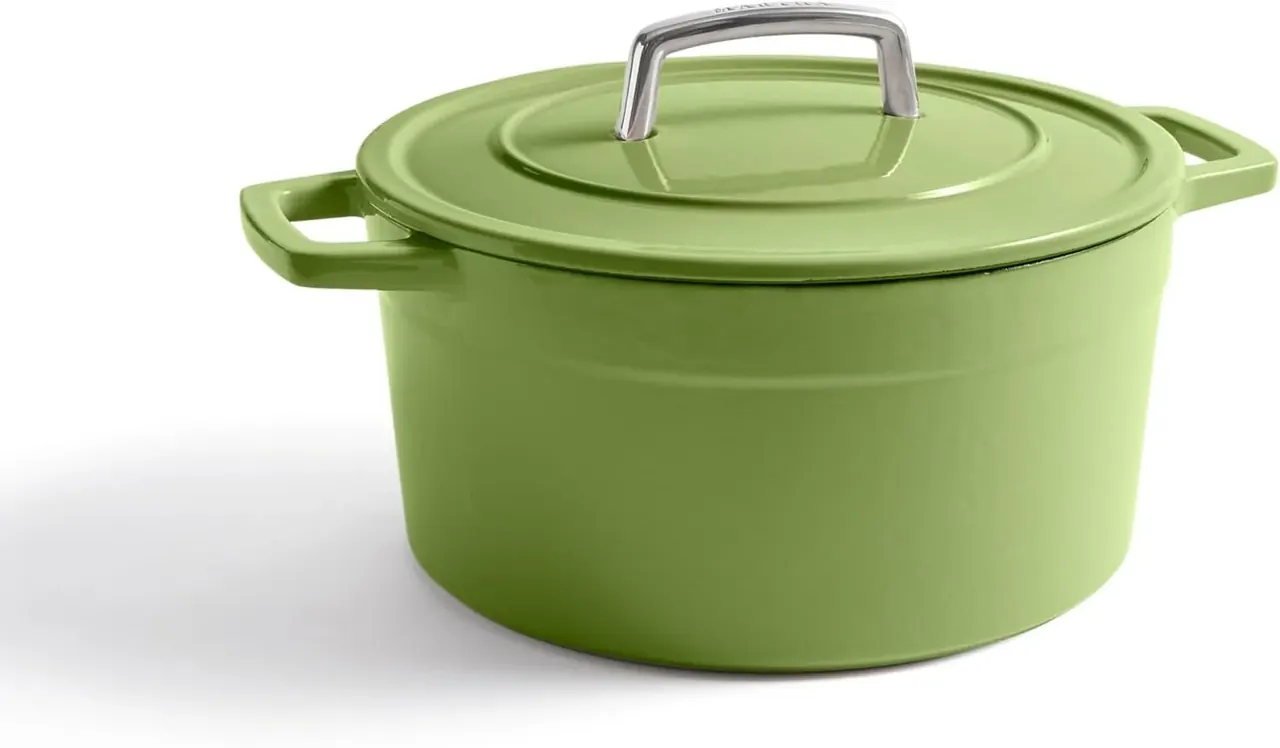
If you want one clear answer, enameled cast iron is the best cookware material for braising and stews for most home cooks. It browns well, holds a steady low heat, handles acidic ingredients like wine and tomatoes, and usually asks for less upkeep than bare cast iron or carbon steel. A good heavy stainless steel pot is my second choice if weight and quicker heat response matter more in your kitchen.
Braising asks a lot from a pot. It has to sear without scorching, hold a gentle simmer without big temperature swings, and keep enough moisture inside that meat turns tender instead of drying out. The material matters, but so do the shape, the weight, and especially the lid. I want thick walls, a heavy base, a wide cooking surface, and a lid that fits securely.
This is the material I would point most people to first. Enameled cast iron gives you the heat retention that makes braising feel steady and forgiving, but with a nonreactive surface that works well for long cooks with tomatoes, vinegar, citrus, or wine.
That combination is what makes it so useful for stews, pot roasts, short ribs, lamb shanks, and similar dishes. Once the pot is heated, it tends to stay calm and even, which helps when you move from browning to a long oven cook. The enamel also means you do not have to manage seasoning the way you do with bare iron.
There are trade-offs. It is heavy, especially once full, and enamel needs sensible care. I avoid sudden temperature changes and overly aggressive scraping. But for a single all-purpose braising pot, this is the easiest balance of performance and maintenance.
The shape matters here too. A wider pot gives meat room to brown instead of steam, which is one reason braising pan guidance from The Spruce Eats emphasizes broad cooking surfaces for this style of cooking.
Clad stainless steel is the best alternative if you want something lighter and more responsive. It will not hold heat quite like cast iron, but it adjusts faster when you lower the burner or reduce a sauce, and it is also nonreactive.
That makes it a strong choice for braises with a lot of acidity, and for cooks who like more control on the stovetop. Stainless also tends to be easier to maneuver from sink to stove to oven. If your wrists notice a heavy Dutch oven, this can be the more practical material to live with.
The catch is technique. Thin stainless steel can be frustrating for braising because it is more likely to create hot spots. A heavy-bottomed or fully clad vessel is far better. I also give stainless time to preheat before adding oil and meat, then let the food release on its own instead of forcing it. For a good overview of what makes braising cookware work, Made In’s braising guide does a nice job pointing out the value of heavy construction.
Bare cast iron is excellent at heat retention and can produce very deep browning. For long oven braises with tougher cuts, that steady retained heat is a real advantage. Once it comes up to temperature, it stays there beautifully.
Where it gets a little less flexible is with acidic ingredients and maintenance. Long simmering with tomatoes, wine, or vinegar can wear on the seasoning and sometimes affect flavor. For that reason, I think bare cast iron is better suited to less acidic braises, or shorter cooks where the liquid is not highly acidic.
It also needs to be dried promptly after washing, and seasoning needs to be maintained. If that is already part of your kitchen rhythm, bare cast iron can be a very good braising material. If not, enameled cast iron is usually easier to recommend.
Carbon steel sits somewhere between cast iron and stainless steel. It heats faster than cast iron and is usually lighter, which makes it easier to lift, rotate, and store. It also sears very well.
For shallow braises, chicken pieces, cabbage, fennel, or stovetop-to-oven dishes that do not need hours of cooking, carbon steel can work nicely. It responds quickly when you need to dial heat down, which helps prevent scorching once liquid is added.
Like bare cast iron, though, it relies on seasoning and is not my first choice for long acidic braises. It is more of a great specialized option than the easiest default.
Clay and ceramic can produce gentle, gradual cooking, and traditional braises have long been made in vessels like these. But as an everyday answer for most kitchens, they are less versatile.
Some glazed ceramic pieces are nonreactive and useful in the oven, but stovetop compatibility varies widely. Thermal shock is also a real concern with some clay and ceramic cookware, so I treat these materials more cautiously. If you want one pot that can confidently sear, simmer, and go into the oven on a regular basis, cast iron or clad stainless steel is usually the simpler path.
The best braising pot is not just about metal type. A few design details make a bigger difference than people sometimes expect.
Range compatibility matters too. Cast iron works well on induction, and many stainless steel pots do as well, but not all stainless cookware is induction-ready. On glass cooktops, I am especially careful to lift heavy cast iron instead of sliding it. For gas burners, thicker cookware tends to handle the concentrated flame more evenly, a point also echoed in general braising guidance from Epicurious.
Braising cookware tends to build flavorful browned bits, which is part of the point. Cleaning it well does not need to be harsh.
For enameled cast iron, I let the pot cool slightly, then loosen fond with warm water and a wooden or silicone utensil. I skip abrasive scrubbers that can wear the finish over time. For stainless steel, soaking and a gentle deglaze often remove residue without much effort, and stainless can generally tolerate more scrubbing.
Bare cast iron and carbon steel need a little more attention. I do not leave them soaking, and I dry them thoroughly after washing. A light coat of oil helps maintain the seasoned surface if it looks dry or dull.
Even the right pot cannot save a braise from a few common missteps.
I also think it helps to remember that a braise does not need the meat fully submerged. Usually, liquid should come partway up the ingredients. With a good lid, that is enough to keep everything moist while preserving a richer sauce.
Yes, as long as it is a heavy-bottomed or fully clad pan with a lid. Stainless steel is especially useful for acidic braises and for cooks who want lighter handling and faster heat adjustment.
Yes. Cast iron holds heat extremely well and supports a steady simmer. Enameled cast iron is usually the more flexible choice because it handles acidic ingredients more comfortably and does not need seasoning.
A wide, heavy pot with thick walls and a tight-fitting lid works best. For most people, that means an enameled cast iron Dutch oven or braiser, though a heavy clad stainless steel pot can do the job very well too.
In most cases, yes. A lid helps retain moisture and maintain a gentle, humid cooking environment. If you do not have one, tightly sealed foil can work, but it is usually less precise.
Enameled cast iron is the best cookware material for braising and stews because it is steady, nonreactive, and easy to live with day to day. If you want something lighter, a well-made clad stainless steel pot is the best runner-up, and in any material, a heavy base and tight lid matter just as much as the metal itself.
This page contains affiliate links. If you buy through them, Stripes & Willows may earn a commission at no extra cost to you — it never affects what we recommend.
