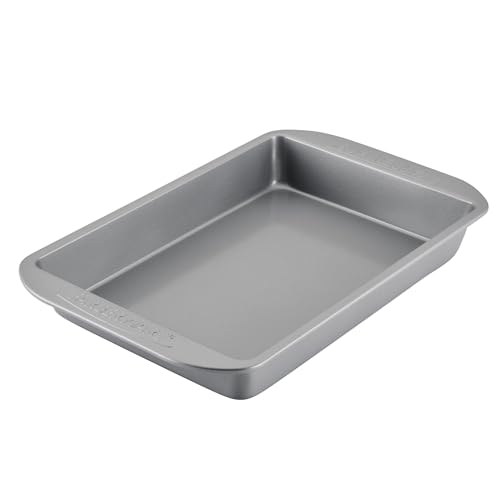
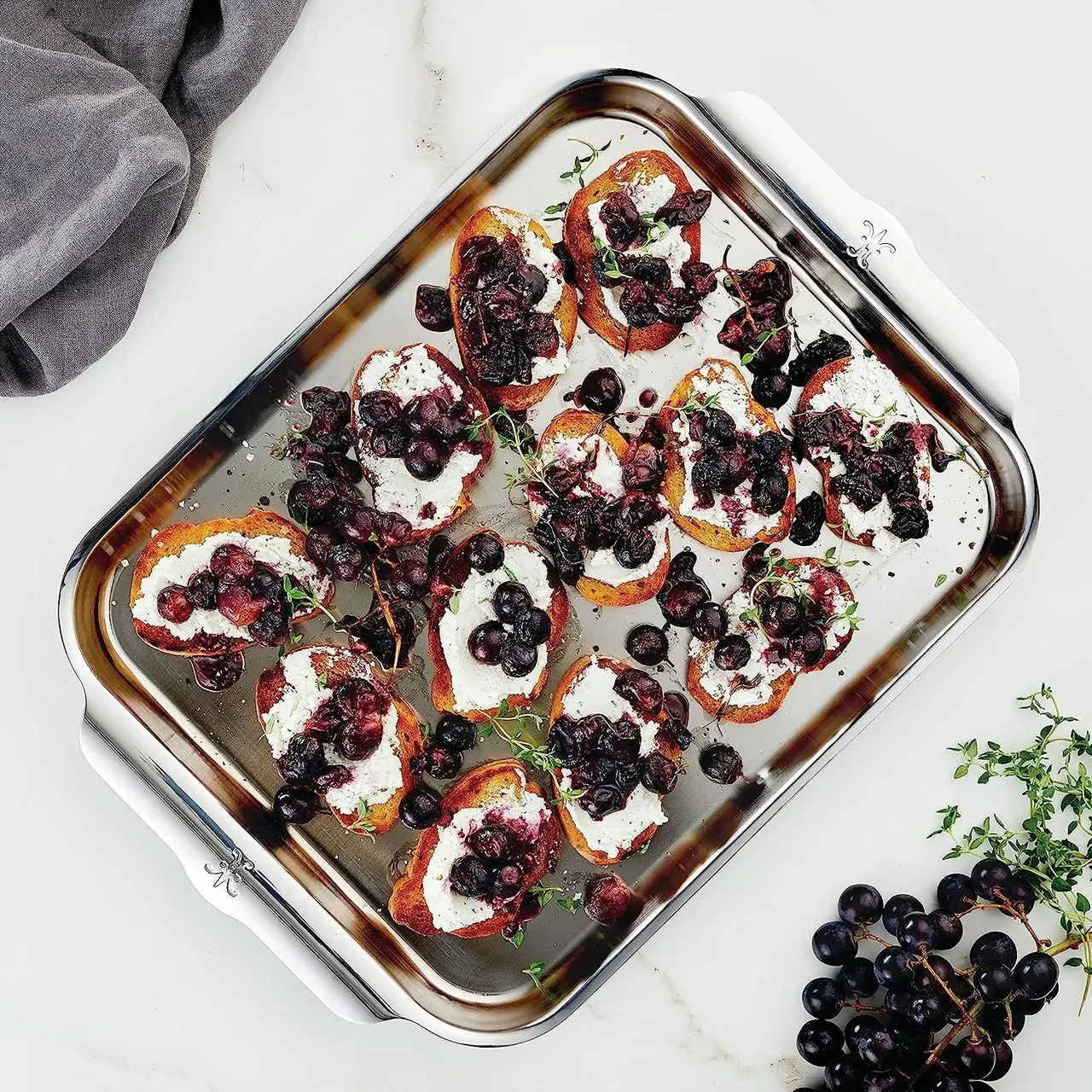
If you want cookware that asks the least of you day to day, stainless steel is the best place to start. It gives you the easiest long-term ownership for pots and everyday pans, while a coated skillet earns its keep for eggs and delicate foods, and enameled cast iron works beautifully for slow, one-pot cooking without the seasoning routine. In practice, the lowest-maintenance kitchen is usually a small mix of materials, not a full matching set.
1. Stainless Steel
For most home cooks, stainless steel is the most practical low-maintenance cookware material overall. It resists rust, handles acidic ingredients well, and does not need seasoning. It also stands up to regular use better than coated surfaces, which matters if you want cookware that keeps working without much fuss.
Stainless steel is especially useful for sauces, soups, grains, pasta, boiling, and pan sauces. It tolerates vigorous stirring and high enough heat for browning, and many pieces are compatible with dishwashers, though hand-washing often keeps them looking better.
The main drawback is sticking. This is less about the material being difficult and more about technique. A gentle preheat, enough fat, and letting proteins release naturally make a big difference. If food does stick, stainless usually forgives stronger cleaning than other materials. A broader cookware materials guide makes the same point: ease and durability do not always show up in the same pan, but stainless comes close.
If I were building a low-effort cookware collection from scratch, stainless steel would be the foundation.
2. Enameled Cast Iron
Enameled cast iron is a strong second choice when your cooking leans toward braises, soups, beans, stews, and baked one-pot meals. It has the heat retention people love in cast iron, but the enamel coating means you do not need to season it and you can cook acidic ingredients more comfortably.
That makes it far easier to live with than bare cast iron for many kitchens. You can move from stovetop to oven, simmer for a long time, and clean up without worrying about stripping seasoning.
Its maintenance trade-offs are different. Weight is the obvious one, but enamel also needs some protection. Avoid sharp temperature swings, do not run a hot pot under cold water, and use nonabrasive tools for cleaning. Chipped enamel is a bigger concern than ordinary stains, so careful storage matters too.
For cooks who want cookware that can handle long meals without a special care ritual, enameled cast iron is one of the easiest materials to keep around.
3. Hard-Anodized Aluminum
Hard-anodized aluminum sits in a useful middle ground. It is lighter than cast iron, usually heats evenly, and tends to feel manageable for weeknight cooking. If heavy cookware is what makes you avoid a pan, this material can be a more realistic fit.
Maintenance depends on the interior. Some hard-anodized cookware has a coated cooking surface, while some does not. That distinction matters more than the exterior name. Coated interiors clean more easily but need gentler utensils and lower heat. Uncoated interiors are tougher, though they may not release delicate foods as easily.
I think of hard-anodized aluminum as convenience-focused cookware with fewer care demands than bare iron, but not quite the long-haul simplicity of stainless steel. It is a good match for sautéing, one-pan dinners, and general stovetop cooking when lighter weight is high on your list.
4. Ceramic-Coated and Other Coated Cookware
If your definition of low maintenance is “food slides out and cleanup takes one minute,” coated cookware is the easiest answer. It is especially good for eggs, pancakes, fish, and other foods that tend to stick.
That said, coated cookware is low maintenance in the short term, not always in the longest-term ownership sense. The surface is more sensitive to overheating, abrasive cleaning, metal utensils, and rough storage. Repeated dishwasher use can also shorten the life of the release surface, even when the label allows it.
This is why I like coated cookware as a specialist, not the entire kitchen. One coated skillet can take care of delicate jobs while stainless steel handles the rougher work. A stainless steel and nonstick combination is often more useful than committing to one material alone.
Use low to medium heat, skip aerosol cooking sprays if the maker advises against them, and stack carefully with protection between pans. If a coating is peeling or flaking significantly, it is time to stop using that piece.
5. Traditional Cast Iron
Traditional cast iron lasts a very long time and cooks beautifully, but I would not call it truly low maintenance unless its routine already fits your habits. It needs prompt drying, occasional oiling, and some attention to seasoning. If that feels natural to you, the upkeep is small. If not, it can become the pan you avoid.
Cast iron is excellent for searing, frying, baking, and any cooking where strong heat retention helps. Over time, a well-kept surface becomes more release-friendly. Still, moisture is the enemy, and long acidic cooking can wear on seasoning.
The simplest care is also the most effective: wash without prolonged soaking, dry thoroughly right away, and apply only a very thin film of oil when needed. Thick oil layers are not better; they usually turn sticky. For many cooks, the issue is not performance but remembering the routine every single time.
6. Carbon Steel
Carbon steel shares a lot with cast iron, but it is lighter and usually more responsive to heat changes. That makes it appealing for sautéing, stir-frying, and high-heat cooking where you want quicker reactions from the pan.
It also shares cast iron’s maintenance needs. You need seasoning, prompt drying, and a little care around moisture. It can be a very rewarding pan to cook with, but it is not the easiest one to ignore. Sudden temperature changes can also lead to warping more readily than with heavier cast iron, so gradual heating is worth the effort.
For cooks who want lower maintenance above all, carbon steel is usually not the first recommendation. For cooks who do not mind a little routine care in exchange for performance, it makes more sense.
What Actually Makes Cookware Low Maintenance
Low maintenance is not just about cleanup. It is about how much attention a pan asks from you across the whole cycle of cooking, washing, drying, and storing. The most useful questions are simple.
- Does it need seasoning?
- Can it handle acidic foods?
- Is it likely to stick badly during normal cooking?
- Does it tolerate dishwasher use or stronger scrubbing?
- Will one small mistake, like soaking or overheating, do lasting damage?
Your cooktop matters too. Induction needs magnetic compatibility. Glass cooktops tend to prefer smooth, flat bottoms. Gas rewards pans that handle direct flame and responsive heat control well.
Common Mistakes That Make Any Cookware Feel High Maintenance
A lot of cookware frustration comes from habits, not from the material itself. A few small corrections usually make cleanup easier and extend the life of your pans.
- Using too much heat. Excessive heat can discolor stainless steel, damage coated surfaces, and stress enamel.
- Rinsing a very hot pan with cold water. Thermal shock can warp metal and crack enamel.
- Using metal utensils on coated interiors. This shortens the useful life of the surface.
- Soaking cast iron or carbon steel for too long. That invites rust and weakens seasoning.
- Stacking pans without protection. Coated and enameled pieces are especially vulnerable in storage.
For stuck-on food, start gently. A short soak or a brief simmer with water is often enough for stainless steel and enamel. Bare cast iron and carbon steel do better with minimal soaking, thorough drying, and a reset with a light oiling if needed.
FAQ
Which cookware material is the easiest to clean and maintain?
Coated cookware is usually the easiest to clean in the moment because food releases so easily. Stainless steel is the easiest durable all-purpose option because it does not need seasoning and can handle tougher cleaning when necessary.
What is the healthiest cookware material for everyday cooking?
High-quality stainless steel and intact enameled cast iron are strong everyday choices because they are durable and relatively nonreactive. Construction quality matters, and it is smart to avoid damaged interiors and review safety information from reliable sources. This health-focused cookware guide makes a useful point: normal cooking temperatures, testing, and surface condition matter more than sweeping claims.
What is the most durable cookware material?
Stainless steel, cast iron, carbon steel, and enameled cast iron can all last a very long time. Stainless steel asks for the least specialized care, while bare cast iron and carbon steel can last for generations if you keep rust and seasoning issues in check.
Which cookware materials should I avoid?
I would avoid cookware with damaged coatings, warped bases, or unclear safety and manufacturing information. It is also wise not to overheat coated pans or use bare reactive metal for long acidic cooking when a nonreactive option is available.
The Bottom Line
If low maintenance is the goal, stainless steel is the best all-around cookware material, with a coated skillet and enameled cast iron filling the jobs stainless does less gracefully. The right choice is less about owning one perfect material and more about choosing pans that match the way you actually cook and clean.
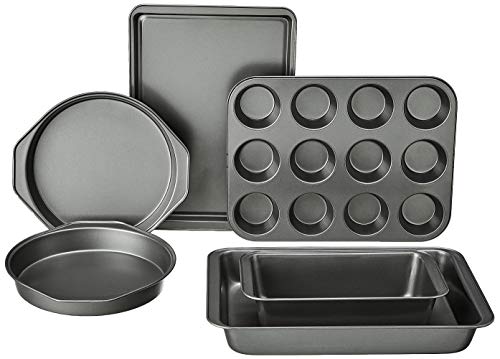
 Best Overall
 Best Value