From This Page
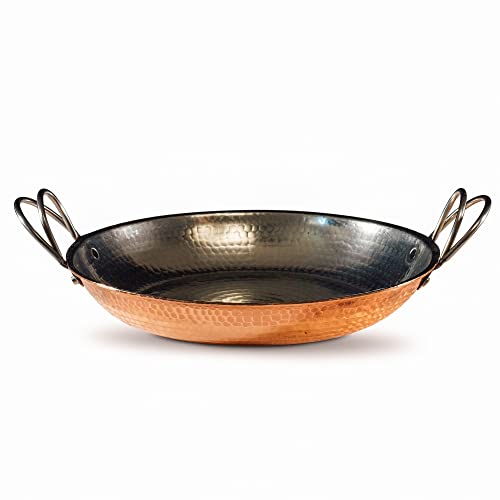
Cast Iron vs Copper for a skillet / frying pan: heat retention, maintenance, induction compatibility, and which jobs each wins.
| Attribute | Cast Iron | Copper |
|---|---|---|
| Heat retention | Excellent | Low |
| Maintenance | Seasoning required | Polishing |
| Induction compatible | Yes | No |
| Oven safe | Yes | Yes |
| Dishwasher safe | No | No |
| Weight | Heavy | Medium |
| Price tier | Budget-mid | Premium |
| Reacts with acidic food | Yes | Yes |

If I had to answer this quickly, I’d say cast iron is the better all-around skillet for most home kitchens, while copper is the better specialist. I reach for cast iron when I want strong searing, steady heat, oven cooking, and a pan that can handle hard use. I look to lined copper when precise temperature control matters more than brute heat, especially for eggs, fish, sauces, custards, and sugar work.
The biggest difference is not just how hot the pan gets, but how it behaves once food hits it. Cast iron heats more slowly, but it holds onto that heat exceptionally well. That’s what makes it so good for steaks, chops, fried potatoes, and anything else that benefits from a deep, even crust.
Copper does almost the opposite job. It heats quickly, spreads heat efficiently, and responds fast when I turn the burner up or down. That quick response is the reason cooks value copper for more delicate work. In practical terms, it gives me more control when a sauce is close to catching or when eggs need gentler heat. That general pattern is reflected in comparisons like this cast iron and copper overview.
For browning and searing, cast iron has the clear advantage. When I drop cold food into the pan, it loses less momentum. Copper can still brown food, but it does not have the same forceful heat retention, so it feels less forgiving for heavy searing.
For delicate cooking, copper is easier to fine-tune. Fish, caramel, hollandaise, and custards all benefit from a pan that reacts quickly instead of continuing to push heat after the burner is lowered.
With these materials, the surface you cook on matters as much as the metal itself. Cast iron is usually a bare cooking surface protected by seasoning. Copper is usually lined, because copper itself reacts with acidic foods and should not be the direct cooking surface for everyday use.
A seasoned cast iron skillet has a polymerized oil layer that helps with rust resistance and release. It can become pleasantly slick over time, but it is not a true nonstick surface. If the pan is underheated, dry, or poorly seasoned, delicate foods can still stick.
Copper pans are commonly lined with stainless steel or, in some traditional designs, tin. Stainless linings are practical and durable. Tin is gentle and responsive, but it is also more sensitive to high heat and wear. With copper, I pay attention to the lining first, because that is the part in contact with food.
This is also where acidic ingredients matter. Bare cast iron and bare copper can both react with acidic foods. For tomato, wine, or citrus-heavy cooking, I’m more comfortable using lined copper, enameled cast iron, or another nonreactive surface than leaving those foods in bare seasoned iron for a long simmer.
Cast iron makes more sense when dinner starts with a hard sear or finishes in the oven. It suits cornbread, roasted vegetables, chicken thighs, burgers, pan pizza, and skillet desserts. It also handles one-pan meals well because it moves comfortably from burner to oven and keeps a stable temperature through longer cooking.
Copper earns its keep in a different part of the kitchen. If I’m making a reduction, a custard, soft scrambled eggs, caramel, or a pan sauce that needs constant adjustment, copper is simply more responsive. That’s why copper has such a strong reputation in classic European cooking. You see that same point in pieces on why chefs rely on copper for temperature-sensitive work, including this head-to-head comparison.
There are also a few practical limits to keep in mind. Cast iron is heavy, and that matters when the pan is full. Copper is usually easier to maneuver, though thick pieces can still have some heft. Cast iron also works on induction by default, while traditional copper generally does not unless it has an induction-compatible base.
If I were building around one skillet only, I would choose cast iron for range and durability. If I already had an everyday workhorse and wanted something for more precise stovetop cooking, that’s where copper starts to make sense.
These pans both last a long time, but they ask for different habits.
With cast iron, the main job is protecting the seasoning and keeping moisture from lingering. I wash it with hot water and a soft scrubber, use a small amount of mild soap when needed, dry it right away, and leave a very thin film of oil before storing. The common mistakes are familiar: soaking it, putting it in the dishwasher, leaving food in it overnight, or storing it while still damp.
A lot of cast iron problems come down to too much oil or too little drying. A sticky surface usually means the oil layer was applied too heavily. Light rust usually means the pan sat wet too long. The good news is that cast iron is forgiving. Surface rust and damaged seasoning can usually be scrubbed back and rebuilt at home.
Copper needs a gentler approach. The exterior may tarnish, but that is usually cosmetic, not a sign the pan has stopped cooking properly. I avoid harsh abrasives, aggressive scouring, and sudden temperature shocks. I also avoid overheating lined copper, especially if the lining is more delicate. If the lining is worn, flaking, or visibly compromised, it’s time to stop using the pan until it is professionally addressed.
In short, cast iron needs seasoning care; copper needs lining awareness and occasional polishing. Neither belongs in the dishwasher.
The most common cast iron mistake is expecting it to behave like a lightweight skillet. It needs a longer preheat, and it doesn’t respond instantly when the heat is lowered. If I rush that process, I’m more likely to get uneven cooking or sticking.
The second mistake is using it for long acidic simmers in bare seasoned iron. A quick pan sauce is one thing, but a prolonged tomato braise is more likely to dull seasoning and pull unwanted metallic notes into the food.
With copper, the main mistake is treating it like a high-heat searing pan first and a precision pan second. Copper’s strength is responsiveness, not extreme heat retention. Another common problem is ignoring the lining. The bright exterior gets attention, but the interior condition matters more for safe everyday cooking. Guidance from broader cookware comparisons, including this look at maintenance and longevity, lines up with that basic division.
I also think stove compatibility gets overlooked. Cast iron is straightforward on most cooktops. Copper requires a little more checking, especially if induction is part of your kitchen.
For most people, cast iron is the better everyday skillet because it handles searing, frying, roasting, and oven cooking so well. Copper is better as an everyday pan only if you regularly cook delicate foods that benefit from fast, precise heat changes.
Not inherently, as long as the cookware is clean and in good condition. Bare cast iron can react with acidic foods over time, and unlined copper should not be used for routine cooking with acidic ingredients. With proper surfaces, the difference is more about heat behavior than flavor.
Yes, lined copper is generally appropriate for cooking when the lining is intact and the pan is used as directed. I would avoid unlined copper for acidic foods and stop using any copper pan if the lining is deeply worn, flaking, or exposing the copper underneath.
Chefs use copper for its even heating and rapid response to burner changes. That kind of control is especially useful for sauces, confectionery, custards, and other dishes where a small temperature shift changes the final texture.
Both can be oven safe, but the details depend on the pan’s handle and lining. Cast iron is generally very comfortable with oven use. With copper, I pay closer attention to the construction and the maker’s guidance before using high heat.
Cast iron is the better general-purpose skillet for high heat, strong browning, and long-term toughness. Copper is the better precision pan for cooks who want immediate temperature control and regularly make delicate stovetop dishes.
If your cooking leans hearty and oven-friendly, cast iron is likely the smarter first choice. If your kitchen already has that covered and you want a more specialized pan for finesse, lined copper fills that role beautifully.
This page contains affiliate links. If you buy through them, Stripes & Willows may earn a commission at no extra cost to you — it never affects what we recommend.