From This Page
 Best Value
Recommended by Stripes & Willows


 Best Value
Best Value
Best Value
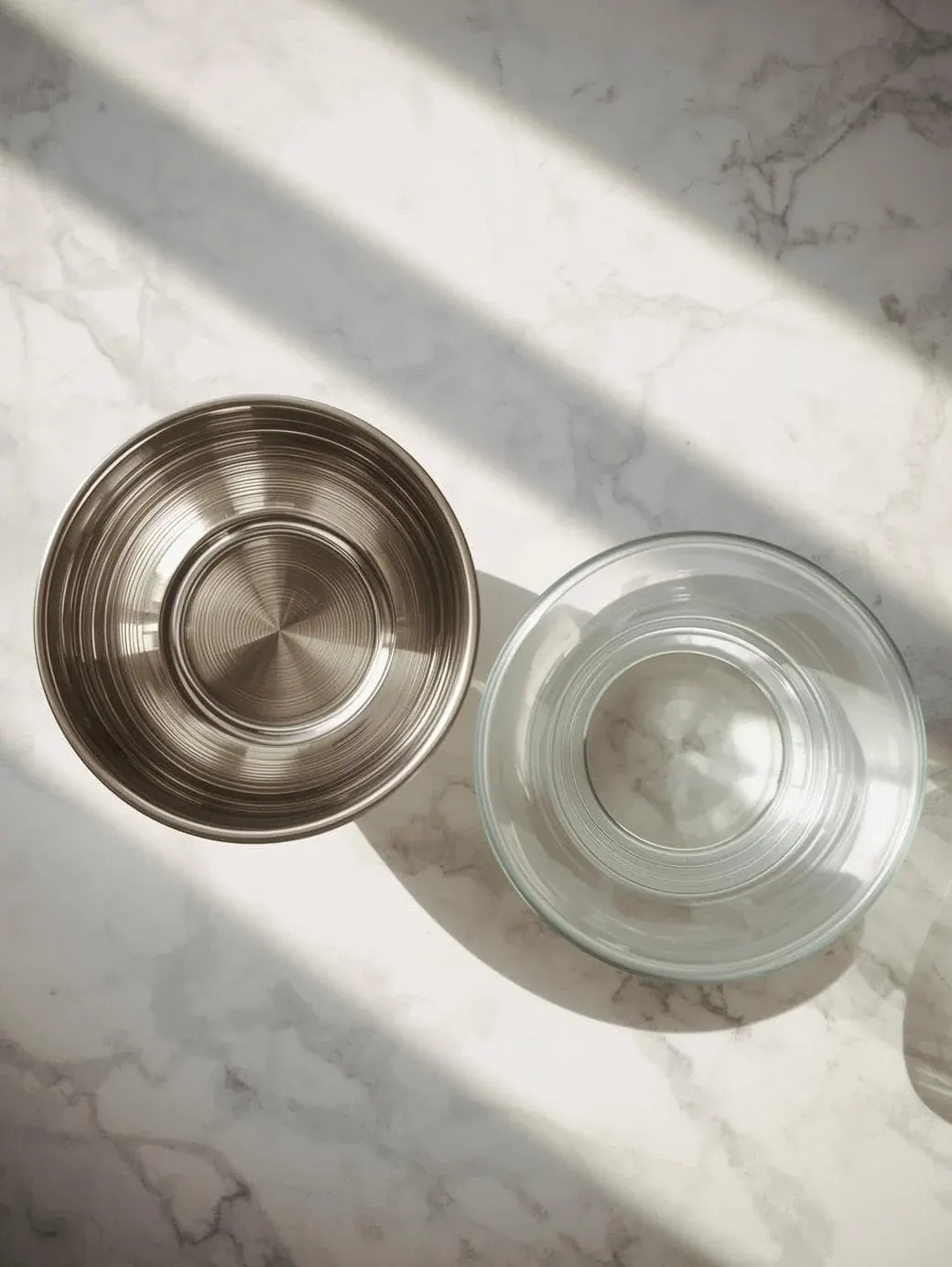
If you want the short answer, stainless steel, tempered glass, and many glazed ceramic or stoneware pieces are the most reliable dishwasher-safe cookware and bakeware materials. Enameled cast iron and some hard-anodized aluminum can also do fine in the machine, but they tend to age better with gentler care. At the bottom of the list are bare aluminum, copper, cast iron, carbon steel, and most nonstick pans, which usually last longer when washed by hand.
One thing matters more than any material ranking: “dishwasher safe” applies to the finished piece, not just the main body. Handles, knobs, rivets, decorative trim, seals, coatings, and exposed rims all affect how well an item holds up. I use material as a guide, then I check the care instructions before trusting the dishwasher.
Stainless steel is the easiest, most dependable choice for dishwasher use. Most uncoated stainless cookware, including multi-ply construction, handles heat, water pressure, and detergent well when the manufacturer approves machine washing.
The usual trade-off is cosmetic, not structural. You may see water spots, a cloudy film from hard water, or some dulling on a polished finish over time. That does not usually make the pan unsafe to cook with, but it can make it look tired faster than hand washing would.
My rule is simple: load stainless pieces so water can drain instead of pooling, and dry them promptly if spotting bothers you. Also pay attention to attached parts. A stainless pan may be fine, but a handle with glued elements or decorative trim may not be.
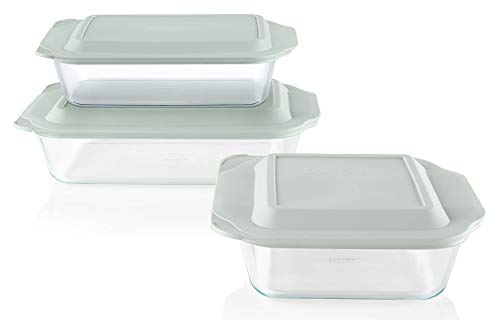
Tempered glass bakeware and lids are often very good candidates for the dishwasher. They are nonreactive, they do not rust, and they generally tolerate normal dishwasher cycles well.
The real risk with glass is not usually detergent. It is impact and thermal shock. I avoid putting very hot glass straight into a cool dishwasher, and I make sure it cannot rattle against metal cookware during the cycle. A chip or crack matters more than a little residue.
If a glass dish has scratches, rim damage, or a hairline crack, I would stop treating it as routine dishwasher-safe bakeware and inspect it more carefully. For broader material context, this dishwasher-safe materials guide is useful, but the maker’s instructions still come first.
Many glazed ceramic baking dishes and stoneware casseroles do well in the dishwasher, especially plain, fully glazed pieces without delicate decoration. For everyday baking dishes, this is one of the more practical low-fuss categories.
That said, ceramic has its own weak points. Metallic trim, hand-painted finishes, unglazed bases, and hairline cracks all call for more caution. Ceramic can also fracture from sudden temperature swings, so I let it cool down before washing.
After a cycle, I like to check textured handles, rims, and the underside where trapped food can linger. Dishwasher-safe does not always mean dishwasher-perfect, especially with detailed or handmade-looking finishes.
Enameled cast iron often lands in the middle. Many pieces are labeled dishwasher safe, and the enamel itself is usually more resilient than people expect. Still, repeated dishwasher use can dull the finish, stain pale interiors, and wear on exposed rims.
The bigger issue is weight. Heavy pots can knock into the rack or another dish and chip the enamel. That is why I think of dishwasher-safe enameled cast iron as occasional, not automatic. If appearance matters to you, hand washing is usually the better path.
If you do machine wash it, give it space. A crowded lower rack is how nice enamel starts to look rough around the edges.
Hard-anodized aluminum is a case-by-case material. Some pieces are specifically approved for dishwasher use, while others discolor or lose some of their finish after repeated cycles. The treated surface is tougher than bare aluminum, but not always happy in strong detergent.
This is one of those categories where “safe” and “best cared for” are not the same thing. A labeled piece may survive the dishwasher just fine, but still look worn sooner than it would with hand washing.
I think of hard-anodized cookware as dishwasher-permitted only when clearly stated, and still a good candidate for gentler cleaning if you want to preserve the finish.
Ceramic-coated cookware can sometimes go in the dishwasher, but it is not my first choice for regular machine washing. Repeated detergent exposure and high heat can reduce slickness, encourage staining, and wear at the edges of the coating.
This is also where wording gets confusing. “Ceramic cookware” may mean solid ceramic bakeware, or it may mean a ceramic-based nonstick coating on metal. Those are different things with different care needs.
If the pan is labeled dishwasher safe, that is permission, not a recommendation for every single wash. The same logic shows up in this metal-care guidance on dishwasher washing: detergent strength and heat are often what shorten the life of coated surfaces.
Many nonstick pans can technically go in the dishwasher if the manufacturer says so, but I still put them near the bottom of the ranking. The issue is not immediate danger from one cycle. The issue is long-term wear.
Dishwasher detergent is designed to cut grease aggressively, and the combination of heat, spray pressure, and bumping against other items wears on nonstick coatings. A pan can remain officially dishwasher safe and still lose performance faster than you would like.
For nonstick, the common mistake is assuming “dishwasher safe” means “best washed in the dishwasher.” It usually does not. A soft sponge and mild soap are simply easier on the surface.
Bare aluminum is rarely a good dishwasher choice. Strong alkaline detergent can darken it, leave a chalky residue, and roughen the surface over time. Even when it is still usable, it tends to come out looking worse for wear.
This is one of the more predictable no-thanks materials for machine washing. If the care instructions do not clearly allow it, I would keep it out of the dishwasher and wash it promptly by hand.
Discoloration is often the first sign, followed by pitting or a rough finish if dishwasher use continues. That is enough reason for me to skip the machine.
Copper cookware belongs at the sink. Dishwasher detergent and heat can tarnish the exterior, affect protective finishes, and be rough on lined interiors and trim.
Even when a copper piece still functions after dishwasher use, the finish usually pays the price. This is one material where convenience tends to undo what makes it appealing in the first place.
If you have copper with mixed materials, fittings, or special linings, that is even more reason to keep it out of the dishwasher.
Cast iron and carbon steel are the least dishwasher-friendly cookware materials in the group. Traditional seasoned surfaces do not respond well to long wet cycles or harsh detergent, both of which strip seasoning and invite rust.
This is the easiest category to rank firmly: hand wash only in almost every case. A little hot water, a brush or scraper, thorough drying, and a thin film of oil do far more for these pans than a dishwasher ever will.
The most common mistake here is treating them like any other skillet. They are not. Their performance depends on seasoning, and the dishwasher works directly against that.
Even the best dishwasher-safe materials benefit from a little restraint. I avoid overcrowding, leave space between pieces, and keep sharp utensils or rough cookware away from coated and glossy surfaces.
I also skip extra-harsh cycles unless they are truly needed. A normal cycle and a sensible amount of detergent are usually enough. High-heat drying and overdetergenting tend to create more wear, more spotting, and more disappointment.
Wood, bamboo, glued parts, detachable seals, and plastic or composite knobs deserve special attention too. Those small details often decide whether the whole piece should stay out of the machine. For a general materials overview, this cookware safety guide is a helpful companion to the care label.
Stainless steel is usually the most consistently dishwasher-safe cookware material. Tempered glass and many glazed ceramic baking dishes are close behind, as long as the full piece is approved for machine washing.
Only if the manufacturer says they are. Even then, dishwasher use usually shortens the life of the coating, so hand washing is the gentler option.
Often, yes, but it depends on what “ceramic” means. Glazed ceramic bakeware is commonly dishwasher safe, while ceramic-coated metal cookware may tolerate the dishwasher but wear faster with repeated cycles.
Cast iron, carbon steel, copper, bare aluminum, and cookware with wood or bamboo parts are the main ones to keep out. Many nonstick pans also last longer if washed by hand.
Because dishwasher-safe means it can tolerate the cycle, not that the cycle is ideal for long-term appearance or performance. Heat, detergent, trapped moisture, and contact with other items can all speed up wear.
If dishwasher convenience is a top priority, stainless steel, tempered glass, and many glazed ceramic pieces are the safest bets. For everything else, especially nonstick, cast iron, carbon steel, copper, and bare aluminum, hand washing is usually the simpler way to keep cookware looking better and lasting longer.
This page contains affiliate links. If you buy through them, Stripes & Willows may earn a commission at no extra cost to you — it never affects what we recommend.
