From This Page
 Best Nonstick (PTFE) Pick
Our Picks
Best Nonstick (PTFE) Pick
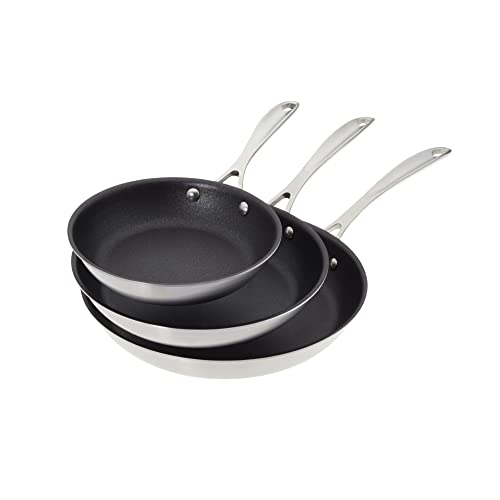
All-Clad 12-Inch HA1 Non-Stick Fry Pan with Lid
Check Price on Amazon
Also available at:
Walmart
Nonstick (PTFE) vs Copper for a skillet / frying pan: heat retention, maintenance, induction compatibility, and which jobs each wins.
Best Nonstick (PTFE) Pick
| Attribute | Nonstick (PTFE) | Copper |
|---|---|---|
| Heat retention | Fair | Low |
| Maintenance | Easy | Polishing |
| Induction compatible | Varies | No |
| Oven safe | Limited | Yes |
| Dishwasher safe | No | No |
| Weight | Light | Medium |
| Price tier | Budget-mid | Premium |
| Reacts with acidic food | No | Yes |

If I’m choosing between a nonstick PTFE skillet and a copper skillet, my short answer is simple: nonstick is the better everyday pan for easy release and low-fuss cleanup, while copper is the better specialty pan for fast heat response and precise stovetop control. For most home cooks, nonstick makes more sense for eggs, pancakes, and delicate fish. Copper earns its place when I care more about temperature finesse than convenience.
The biggest difference is not just the surface, but the kind of cooking each pan supports best. A nonstick skillet is built around convenience. The PTFE coating helps food release easily, and that makes routine cooking feel easier, especially at low to medium heat. I think of it as a gentle-cooking pan, not a pan I want to push hard.
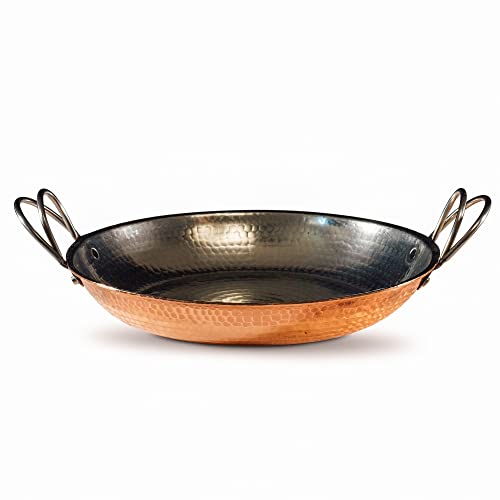
Copper works differently. It is valued for responsiveness, meaning it reacts quickly when the burner goes up or down. That matters for foods that can turn from perfect to scorched in a minute: caramel, butter-based sauces, custards, and reductions. Copper does not hold heat especially long, but it changes temperature quickly, which is exactly why many serious cooks like it.
It also helps to separate “copper” from “copper nonstick.” A pan marketed with copper in the name may still be a PTFE-coated nonstick pan rather than traditional copper cookware. If the material matters to me, I check the actual construction and not just the color or label. This is one place where coating terms can get muddy, and a quick look at the manufacturer details saves confusion.
For daily cooking, nonstick is usually the more forgiving choice. I reach for it when I want eggs to slide out neatly, pancakes to flip cleanly, or fish to release without tearing. It also helps when I want to use less oil. That ease is the whole appeal.
Copper can cook delicate foods well too, but it asks more from me. A lined copper skillet needs proper preheating, enough fat, and a little patience so food can release on its own. It is less about effortless release and more about control.
When browning enters the picture, copper starts to look more appealing. If I’m making a pan sauce or cooking something that benefits from careful heat adjustments, copper has the advantage. Nonstick can brown lightly, but it is not the pan I choose for deep searing or aggressive stovetop heat. PTFE cookware is simply better when I keep the temperature moderate.
This is where the two pans really separate. Nonstick is easier to live with day to day, but it has a shorter practical lifespan because the coating is the working surface. Once that coating is scratched, peeling, or no longer releasing food well, the pan is usually at the end of its useful run.
With nonstick, I keep the care rules basic and strict: avoid metal utensils, avoid abrasive scrubbers, don’t stack it carelessly, and don’t run it through the dishwasher unless the maker explicitly allows it. Even then, hand-washing is the gentler choice. A soft utensil and a sponge go a long way toward keeping the surface in good shape.
Copper asks for a different kind of attention. The exterior can tarnish and may need polishing if I care about keeping the finish bright. It should be hand-washed and dried promptly. It also dents and scratches more easily than many people expect, so careful storage matters.
The lining is especially important. Traditional copper cookware is usually lined with tin or stainless steel because bare copper can react with acidic foods. If a tin lining wears thin or exposes copper underneath, that is not a small cosmetic issue; it means the pan may need professional re-tinning. Stainless-lined copper avoids that particular maintenance job, though it still needs sensible care.
The most common nonstick mistake is overheating it. PTFE pans are not meant to be preheated empty over high heat. That is hard on the coating and can shorten the pan’s life. I keep nonstick on moderate heat, add fat or food promptly, and make sure the kitchen has good ventilation if I’m cooking anything hotter than usual. General guidance from Consumer Reports on PTFE cookware safety lines up with that cautious, practical approach.
Another common mistake is treating nonstick like a forever pan. It is a convenience tool, and convenience coatings wear. If food starts sticking badly or the surface looks damaged, replacement is usually the sensible next step rather than trying to restore it.
With copper, the big mistake is assuming all copper pans can handle all foods. Unlined copper should not be used as a general cooking surface for acidic or salty ingredients because copper can react with them. Guidance from Martha Stewart on copper cookware safety makes the same point: the lining is what makes copper practical for everyday cooking.
I also think people sometimes buy copper for the look without realizing the upkeep. It is a beautiful material, but it is not carefree. If I know I dislike hand-washing, polishing, and checking linings, copper may not be the right fit for my kitchen even if I admire how it cooks.
Before I buy either type of pan, I check compatibility with my stove. Traditional copper is not naturally induction-compatible, so on an induction cooktop it typically will not work unless the pan has a magnetic base built in. KitchenAid’s induction cookware guide gives the simplest rule: if a magnet sticks to the base, it is usually induction-ready.
Nonstick can work on induction, but not always. It depends on the base material, not the coating.
Oven use is another place where assumptions cause trouble. Copper as a material handles oven heat well, but handles and linings can still create limits. Nonstick is more restricted. PTFE skillets often have lower oven-safe temperatures, and sometimes the handle or lid sets the limit before the pan body does. I always treat the stated oven rating as the final word.
If I could keep only one of the two, I would choose based on what I cook most often, not on which material sounds more impressive. If breakfast foods, quick dinners, and low-mess cleanup define my routine, nonstick is the more useful pan. It is lighter, easier to manage, and less demanding.
If I regularly make sauces, candy, custards, or other recipes where a fast response to burner changes really matters, copper can feel worth the extra effort. Serious Eats has a helpful overview of what makes copper cookware distinct, and the core point is the same one I come back to: copper is prized for control, not convenience.
In a well-rounded kitchen, I think the strongest setup is often both: nonstick for release-sensitive foods and copper for precision work. But if I am trying to make one practical decision, nonstick is usually the easier answer for everyday home cooking.
Not automatically. A lined copper skillet is safe to cook in when the lining is intact and properly maintained. A PTFE nonstick skillet is also intended for safe use when I stay within its temperature limits and replace it once the coating is badly worn or peeling.
Sometimes, but not always. “Copper nonstick” is a marketing description, not a precise material category. Some are PTFE-coated, some use ceramic-style coatings, and some simply have copper coloring or copper-related branding. I check the product details if I want to know the actual coating.
Mostly because copper responds quickly to heat changes. That makes it useful for sauces, sugar work, and delicate recipes where small burner adjustments matter. It is less about nonstick performance and more about precision.
Nonstick can make it easier to use less added fat, especially for eggs or fish. Copper can absolutely be part of healthy cooking too, but it is not naturally slick, so I may need more oil or butter for easy release. The ingredients and cooking method matter more than the pan alone.
Nonstick PTFE and copper skillets are good at different jobs, and that is really the whole story. If I want easy release and easy cleanup, I choose nonstick; if I want quick, precise control over heat, I choose copper. For most kitchens, nonstick is the practical first buy, while copper is the more specialized second pan.
This page contains affiliate links. If you buy through them, Stripes & Willows may earn a commission at no extra cost to you — it never affects what we recommend.