From This Page
 Best Overall
 Also Great
Our Picks
Best Overall
Trudeau 05118555 Structure Loaf Pan Silicone Bakeware, Medium, Confetti White
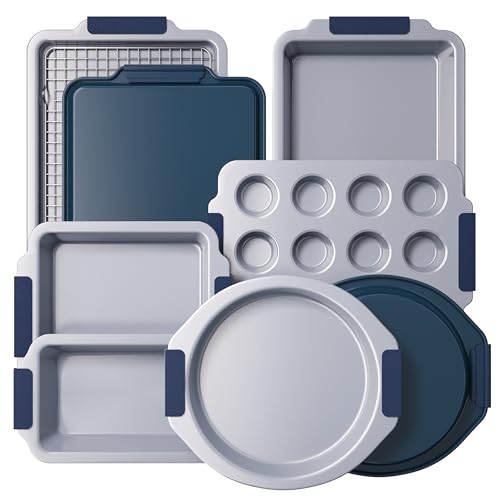
 Also Great
Silicone vs Cast Iron for a loaf pan: heat retention, maintenance, induction compatibility, and which jobs each wins.
Best Overall
Also Great
| Attribute | Silicone | Cast Iron |
|---|---|---|
| Heat retention | Low | Excellent |
| Maintenance | Easy | Seasoning required |
| Induction compatible | No | Yes |
| Oven safe | Yes | Yes |
| Dishwasher safe | Yes | No |
| Weight | Light | Heavy |
| Price tier | Budget | Budget-mid |
| Reacts with acidic food | No | Yes |
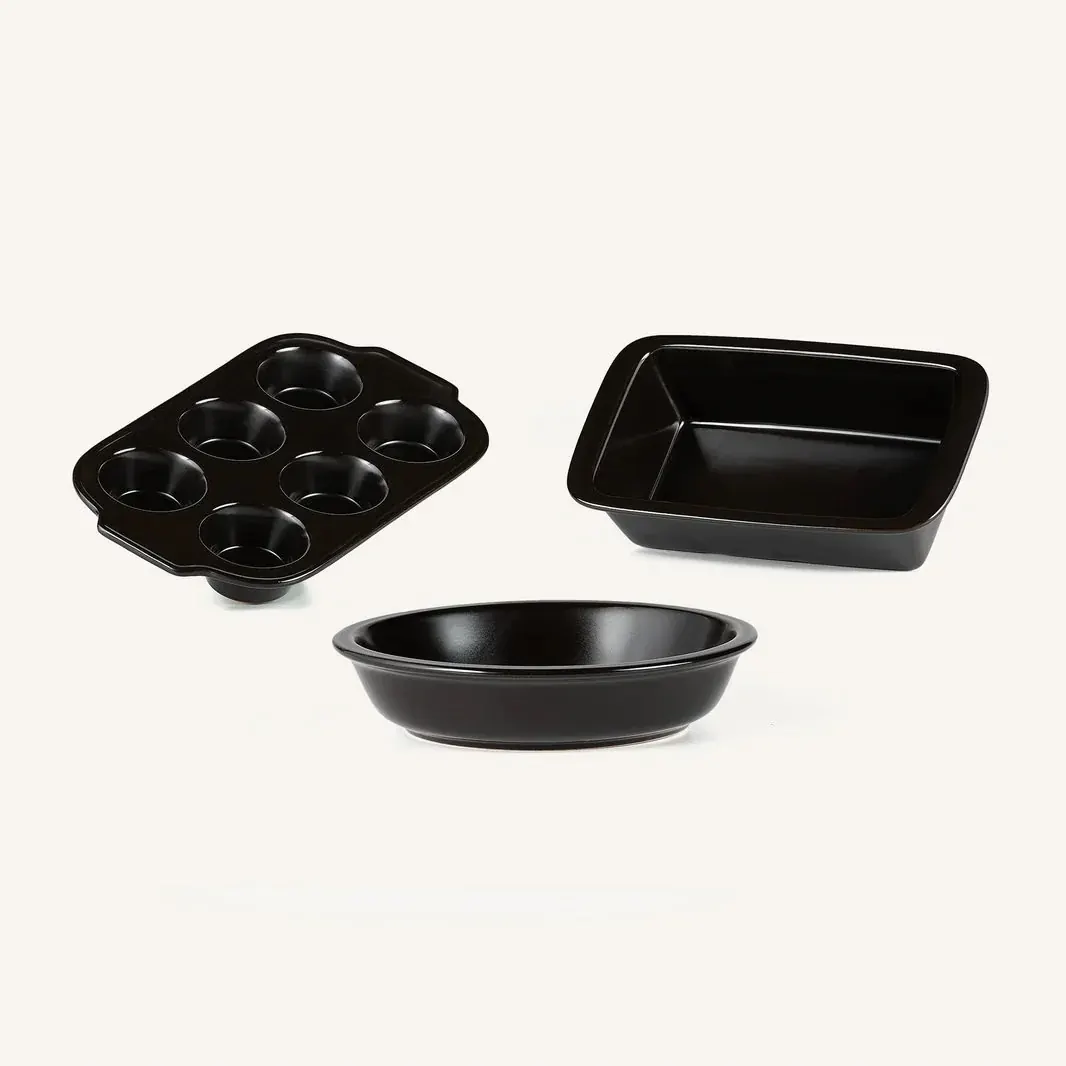
If I want a loaf with a darker crust, firmer sides, and better overall structure, cast iron is the better pan. If I care more about easy release, light weight, and simple cleanup, silicone is the easier choice. In my kitchen, cast iron makes more sense for yeast breads and anything crust-forward, while silicone is especially handy for tender quick breads that like to cling.
A loaf pan does more than hold batter. The material affects how quickly the sides set, how much browning I get, how sturdy the finished loaf feels, and how closely I need to watch timing. That is why silicone and cast iron are not interchangeable, even when the pan size is the same.
Cast iron holds heat exceptionally well. Once hot, it keeps giving that heat back to the dough or batter, which helps build color and crust. Silicone does the opposite. It is a gentler, more insulating material, so the loaf usually bakes up paler and softer on the outside. That pattern lines up with broader bakeware guidance on how loaf-pan materials affect browning.
That difference matters most around the edges. With cast iron, the sides and bottom tend to brown more deeply, which is great for sandwich bread, cornbread, and savory loaves. With silicone, I expect a softer finish and sometimes a slightly longer bake, especially for dense quick breads or tall batters.
Cast iron is the pan I would choose when the outside of the loaf matters almost as much as the inside. It gives bread a more defined shape, more substantial side browning, and a crust that feels finished rather than pale. For yeast doughs, that stored heat can help the loaf set with cleaner edges and a sturdier overall form.
It is also rigid, which sounds basic but matters a lot. A cast-iron loaf pan supports heavy dough without bowing, so I do not have to think about the shape shifting on the way to the oven. That same rigidity helps with meatloaf and other savory bakes too.
The trade-off is maintenance and weight. Cast iron is heavy, and it needs more care than silicone. It should be dried thoroughly, and its seasoning needs to be maintained. It is also not the most forgiving choice for very acidic foods, since cast iron can react where silicone will not.
I am also careful about the pan's retained heat after baking. Cast iron stays hot for a long time, so a loaf left sitting in the pan can keep cooking on the bottom and trap steam. As soon as the loaf is set enough to move, getting it onto a rack helps preserve texture.
Silicone shines when sticking is the problem I want to solve. Quick breads, tea cakes, and softer loaves usually release with much less resistance, which means less prying and less risk of tearing the sides. For delicate batters, that can be the whole point.
It is also light, easy to store, and generally simple to wash. Silicone does not rust, does not need seasoning, and is usually much lower fuss day to day. If cupboard space is tight, that flexibility can be a real advantage.
But silicone has limits. It does not hold heat the way cast iron does, so I do not expect much crust development. A loaf baked in silicone often comes out with lighter sides and a softer exterior, similar to what bakeware comparisons of silicone versus more conductive pans regularly note.
The other issue is support. A silicone loaf pan is flexible by design, which makes unmolding easy but carrying it awkward when full. Batter can slosh, and the sides can spread slightly, leading to a loaf that is a bit wider and shorter than intended if the mold is not supported well.
For yeast breads, I lean cast iron. It gives more confident structure, better browning, and a loaf that feels more bakery-like in shape and crust. If I want soft sandwich bread and release is my main concern, silicone can still work, but I would expect a gentler finish and possibly more time in the oven.
For banana bread, zucchini bread, and other quick loaves, silicone is often the easier path. Those batters can be sticky, sugary, and fragile when warm, so a pan that peels away cleanly has real value. Cast iron will bake them too, but usually with darker edges and more pronounced crust.
For meatloaf and savory loaves, either material can work. Cast iron gives better support and stronger heat retention. Silicone makes turning out a sticky loaf easier, though I would be especially careful handling hot fat in a flexible pan.
If I want low-maintenance bakeware, silicone is simpler. It is oven safe, light, and generally easy to clean with soap and warm water. Many silicone pans are also dishwasher safe, though hand-washing often does a better job of catching any lingering greasy film.
Cast iron asks more from me. It should not be left wet, and it is not dishwasher safe. After cleaning, it needs to be dried completely, and sometimes a very thin coat of oil helps maintain the surface. That upkeep is manageable, but it is still upkeep.
Storage is another practical divider. Silicone tucks away easily and weighs very little. Cast iron is durable and long-lasting, but it takes up more room and is much heavier to lift in and out of cabinets and ovens.
This is the big one. A silicone loaf pan should go on a sturdy sheet pan before I fill it, not after. That keeps the shape steadier, reduces spills, and makes the trip to the oven much safer.
Silicone often needs more time because it does not transfer heat as aggressively. Cast iron can brown the exterior faster while still taking time to heat through fully if the pan starts cold and thick. I would not judge doneness by color alone in either one.
Because cast iron keeps its heat, the pan continues cooking the loaf after it comes out of the oven. If the bread sits too long, the bottom can turn tough or damp from trapped steam. A short rest is fine, but moving it to a rack promptly helps.
Easy release does not mean immediate release. Quick breads are fragile when hot, and peeling back a flexible pan too early can tear the loaf. I would wait until the sides feel set and the loaf has had a little time to firm.
Cast iron is usually better for bread loaves when crust, browning, and structure matter most. Silicone works better when easy release is the priority, especially for softer loaves.
They can provide very steady heat once fully heated, which helps with consistent crust development. But they also respond slowly, so I would still check doneness with the center of the loaf in mind, not just the color of the outside.
The main drawbacks are paler crusts, softer sides, and less structural support. A silicone pan also needs a rigid baking sheet underneath for safe handling when full.
Yes, as long as the pan is supported on a baking sheet. That support matters even more with hot, heavy mixtures and rendered fat.
For easy unmolding and delicate edges, silicone is often the better fit. For darker edges and more crust, cast iron gives a stronger bake. Broader loaf-pan testing from Food & Wine also shows that pan material noticeably changes results across quick breads and yeasted loaves.
Cast iron bakes the better loaf when I want strong crust, deep browning, and reliable structure. Silicone wins on convenience, easy release, and low-maintenance care, so the right choice depends on the kind of loaf I make most often.
This page contains affiliate links. If you buy through them, Stripes & Willows may earn a commission at no extra cost to you — it never affects what we recommend.