From This Page
 Best Nonstick (PTFE) Set
Our Picks
Best Nonstick (PTFE) Set
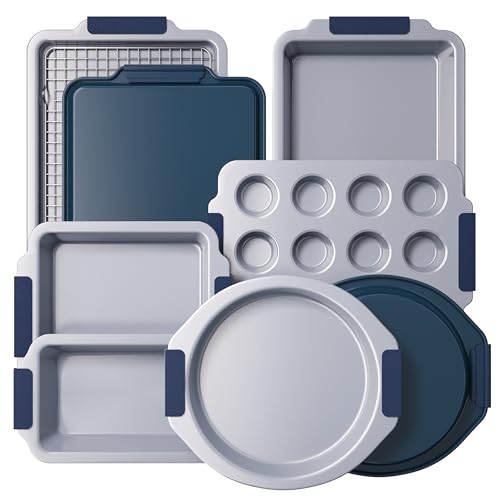
All-Clad Pro-Release Bakeware Set of 3
Check Price on Amazon
Also available at:
Walmart
Silicone vs Nonstick (PTFE) for a muffin tin: heat retention, maintenance, induction compatibility, and which jobs each wins.
Best Nonstick (PTFE) Set
| Attribute | Silicone | Nonstick (PTFE) |
|---|---|---|
| Heat retention | Low | Fair |
| Maintenance | Easy | Easy |
| Induction compatible | No | Varies |
| Oven safe | Yes | Limited |
| Dishwasher safe | Yes | No |
| Weight | Light | Light |
| Price tier | Budget | Budget-mid |
| Reacts with acidic food | No | No |
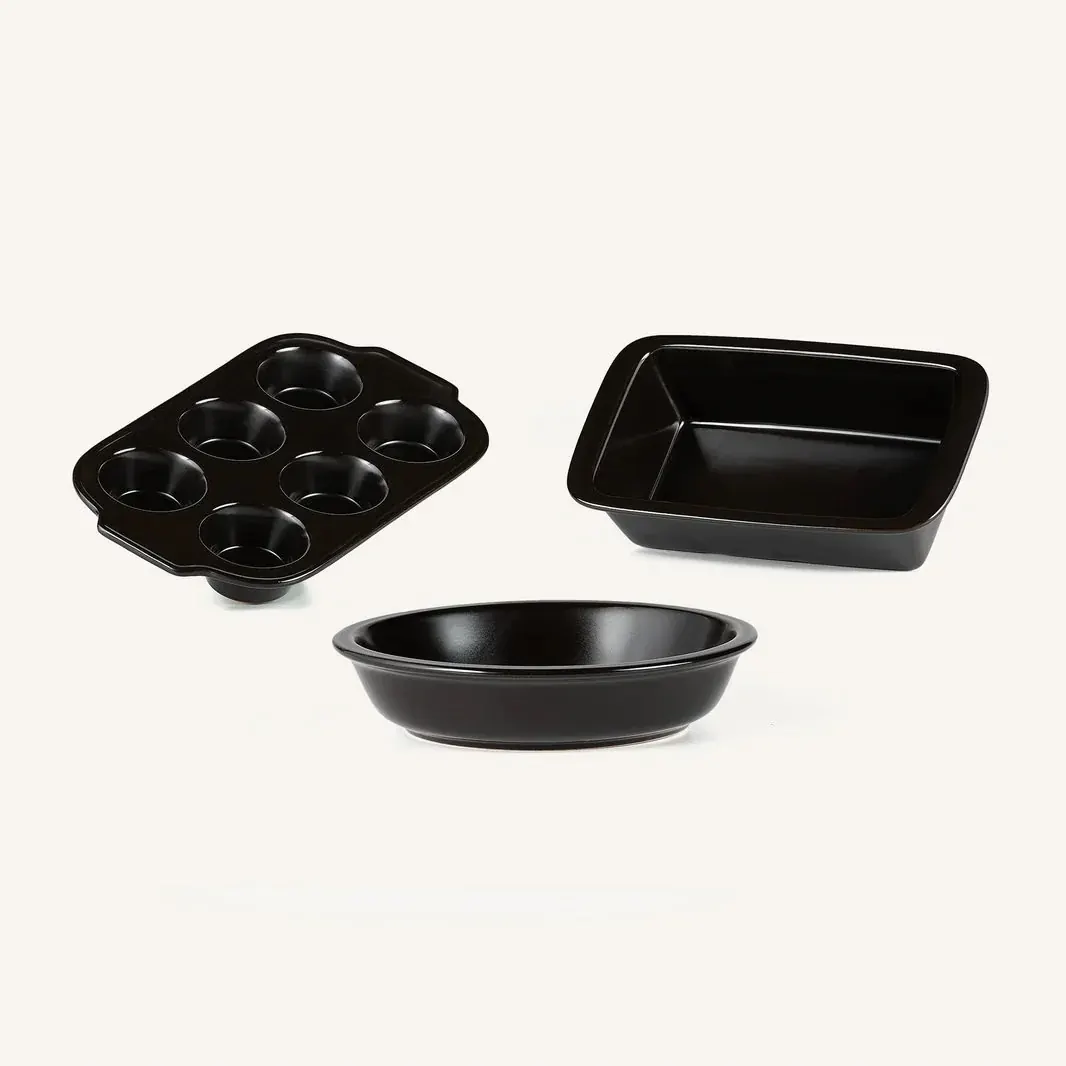
If I want tall muffins with better browning and a firmer edge, I’d choose a nonstick PTFE-coated muffin tin. If I care more about easy release for delicate bakes like egg bites or soft breakfast cups, silicone makes life easier. For most classic muffin baking, coated metal is the more reliable pick, while silicone is the more forgiving one.
The biggest difference comes down to heat. A coated metal muffin tin transfers heat more readily, so batter sets faster around the edges and develops more color. That usually means muffins with more defined sides, a slightly crisper exterior, and the kind of golden finish many people want from bran muffins, cornbread muffins, and cupcakes.
Silicone behaves differently. It has lower heat retention and doesn’t push as much direct heat into the batter, so muffins often bake up paler with softer sides. That is not always a drawback. For recipes that are tender, lower in fat, or prone to sticking, the gentler bake and flexible release can be genuinely useful.
This general pattern lines up with broad baking guidance you’ll see in comparisons like this silicone and metal muffin-tin overview: metal tends to favor browning and structure, while silicone favors easy unmolding.
I think silicone earns its place when release is the main concern. Egg bites, mini cheesecakes, soft oat cups, and muffins with sticky add-ins can come out more cleanly because the wells flex away from the food. Instead of running a tool around the edges, you can often push gently from the bottom.
Silicone is also light, easy to wash, and generally dishwasher safe. That convenience matters if you bake often or want something low-fuss for everyday use.
Still, silicone has a common drawback that catches people off guard: it’s floppy. A filled silicone pan can bow in the middle or slosh batter on the way to the oven. I would always set it on a sturdy sheet pan before filling or moving it. That one step makes silicone much easier to handle and helps it sit level while baking.
For everyday muffins, I’d lean toward nonstick coated metal. It holds its shape, carries easily from counter to oven, and gives batter more support as it rises. That rigidity helps create straighter sides and a more consistent shape, especially for standard muffins and cupcakes.
Coated metal also suits repeat baking. If you’re making batch after batch for a school event, holiday morning, or weekend meal prep, a rigid tin is simpler to rotate, cool, refill, and store. It also takes up less mental effort; you don’t have to baby it on a tray every time.
PTFE-coated pans are easy to maintain when the coating is in good shape, but they do have limits. Oven-safe temperatures vary by manufacturer, and nonstick coatings should not be overheated. I’d always follow the care and temperature guidance that comes with the pan, especially since coated bakeware is oven safe only within stated limits.
The material matters, but technique matters almost as much. A few small habits make either pan work better.
First, don’t assume silicone never needs grease. It often releases well on its own, but fruit-heavy batters, melted cheese, and sugary mix-ins can still cling. A light coating of oil or butter can save a lot of frustration.
Second, don’t over-grease coated metal. Too much fat can fry the edges slightly, lead to overly dark sides, or leave muffins greasy on the outside.
Third, watch fill level. Standard muffin recipes often work best when cups are filled around two-thirds full, though the recipe should lead. Overfilling creates spread across the top of the pan and makes release harder in both silicone and nonstick metal.
Last, don’t pull muffins out too soon. Letting them rest in the pan for a few minutes helps the crumb set. This is especially important with silicone, where very tender muffins can bend or tear if you try to pop them out immediately.
Both materials are fairly easy to maintain, but they need different handling.
Silicone is usually simple to wash and can generally go in the dishwasher. Even so, hand-washing with warm soapy water is often the cleaner option if the pan has picked up butter residue, baked-on bits, or lingering smells. Silicone can hold onto odors more than people expect, especially after strongly flavored foods. If that happens, a thorough wash, complete drying, and a baking soda paste can help.
Nonstick PTFE-coated muffin tins are also easy to clean, but I would be gentler with them. Skip steel wool, harsh scouring powders, and sharp utensils. Those are the fastest ways to damage the coating and turn an easy-release pan into a sticky one. Guidance like this muffin-pan care article is worth following on the basics: soft sponge, mild soap, and prompt drying.
It’s also useful to know that silicone does not react with acidic foods, and PTFE-coated nonstick does not either, so blueberry, lemon, and yogurt batters are not a problem from that standpoint.
With silicone, I’d pay attention to temperature limits and overall condition. Food-grade silicone bakeware is generally considered oven safe for baking when used as directed, but it should not be used under a broiler, over direct flame, or beyond its stated heat limit. There has also been ongoing discussion around silicone performance at very high heat, which is why I think conservative use matters. This silicone cookware safety summary gives a helpful plain-language overview.
For PTFE-coated pans, the key issue is coating damage. If the surface is peeling, flaking, deeply scratched, or exposing bare metal or rust, it’s time to replace it. Minor discoloration alone is not the same thing, but once release performance drops and the coating is visibly compromised, I would not keep pushing it.
Silicone should also be replaced if it becomes sticky, cracked, torn, badly warped, or develops a persistent off odor that washing does not fix.
If your main goal is classic muffins with a bakery-style finish, nonstick metal is simply the stronger match. It browns better, supports the batter better, and is easier to handle when full.
If you bake delicate things more often than classic muffins, silicone can be more practical. It shines when easy release matters more than color, and it is especially helpful for soft egg-based bakes or recipes that are awkward to unmold from a rigid pan.
I don’t think this choice is really about one material being better in every way. It’s more about which compromise you’d rather make: less browning for easier release, or slightly more care around the coating for better muffin texture.
For most muffins, nonstick metal is better because it gives more browning, firmer sides, and more dependable structure. Silicone is better when release is the top priority.
Yes. Muffins in silicone usually come out paler and softer around the edges. In coated metal, they tend to brown more and hold a more defined shape.
Food-grade silicone muffin pans are generally safe for oven baking when used within their temperature limits. I would avoid direct flame, broiling, and any pan that has become sticky, cracked, or unusually odorous.
The main drawbacks are weaker browning, softer edges, and less stability when the pan is full. They can also retain odors and may need support from a sheet pan every time you use them.
Silicone is often the easier choice for egg bites because the flexible cups release soft, delicate fillings cleanly. A coated metal tin can still work well, but it usually needs more careful greasing.
If I were choosing one pan mainly for muffins, I’d go with nonstick PTFE-coated metal for the better shape, color, and texture. Silicone is still a smart second option for delicate bakes and easy release, especially if you don’t mind trading some browning for convenience.
This page contains affiliate links. If you buy through them, Stripes & Willows may earn a commission at no extra cost to you — it never affects what we recommend.