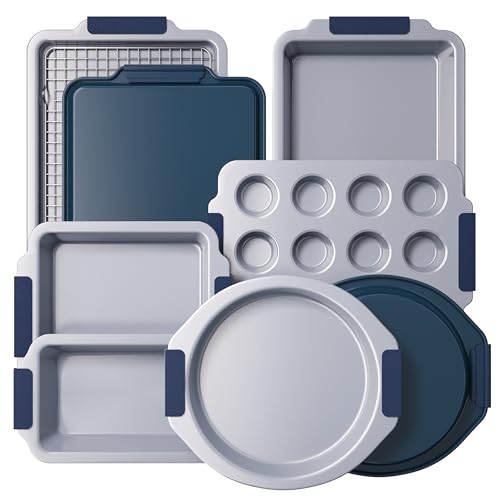
From This Page
 Best Overall
Our Picks
Best Overall
Silicone vs Stoneware for a loaf pan: heat retention, maintenance, induction compatibility, and which jobs each wins.
Best Overall
| Attribute | Silicone | Stoneware |
|---|---|---|
| Heat retention | Low | Excellent |
| Maintenance | Easy | Easy |
| Induction compatible | No | No |
| Oven safe | Yes | Yes |
| Dishwasher safe | Yes | Varies |
| Weight | Light | Heavy |
| Price tier | Budget | Mid |
| Reacts with acidic food | No | No |
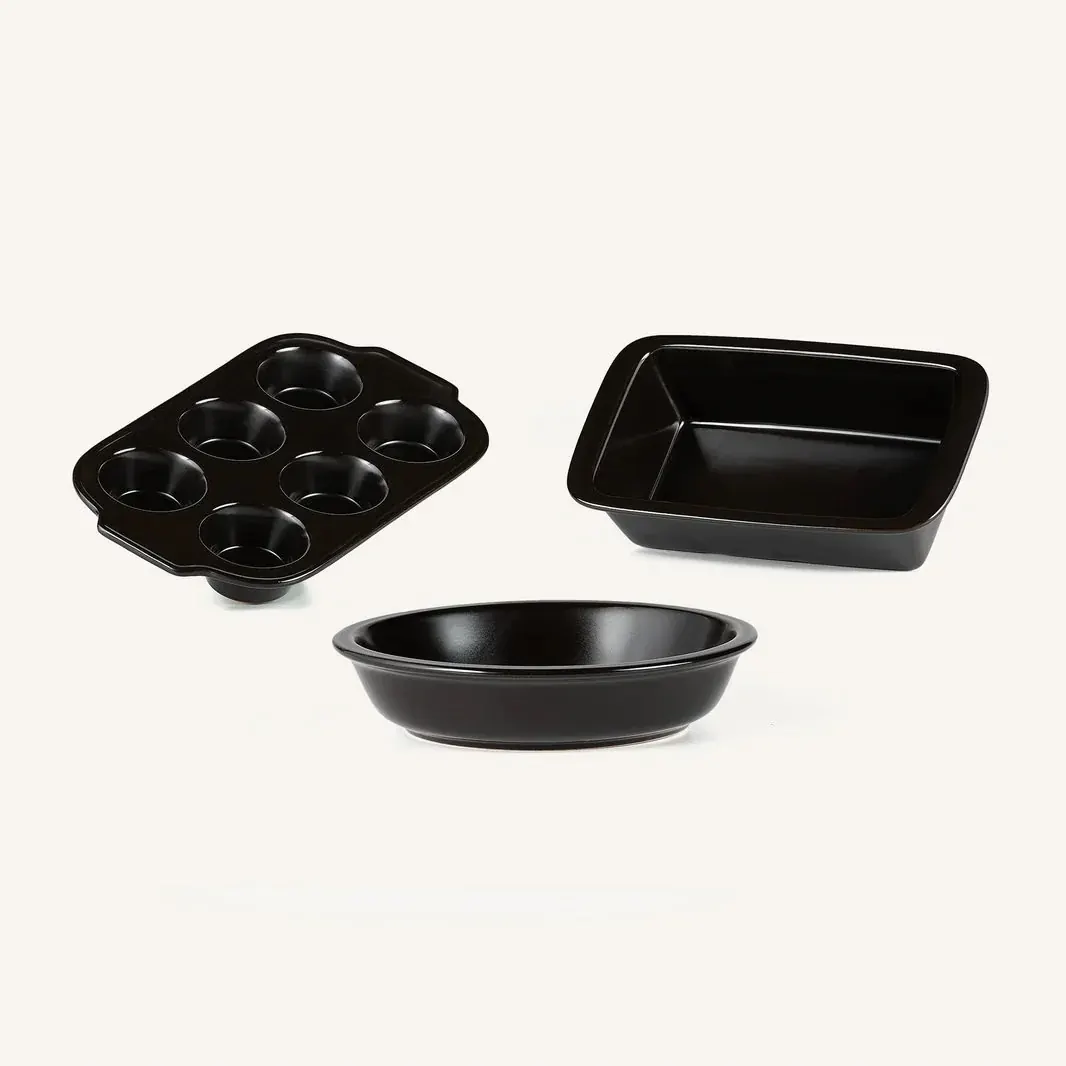
If I want a loaf with a darker crust, firmer sides, and a more classic sandwich-bread shape, I lean toward stoneware. If I care most about easy release, lighter handling, and simpler cleanup, silicone is the easier choice. In a silicone vs stoneware loaf pan comparison, neither is better across the board; the right pick depends on what I’m baking and what kind of finish I want.
The biggest difference comes down to heat behavior. Stoneware holds heat extremely well, which helps the sides and bottom of a loaf bake with more structure and color. That steady heat is a good match for breads and denser loaves that benefit from a more developed crust. Sur La Table’s guide to how different baking materials affect results makes the same general point: pan material changes browning, texture, and timing.
Silicone works differently. It is oven-safe, but it does not retain heat the way stoneware does, so loaves often come out with paler sides and a softer bottom. That is not always a drawback. For banana bread, zucchini bread, and other moist quick breads, a gentler crust can be perfectly fine. But for yeast bread or low-sugar loaves, that softer, lighter finish can feel like a compromise.
I also think about structure. Stoneware is rigid and heavy, so it supports rising dough and thick batter without shifting shape. Silicone is light and flexible, which is convenient in the cabinet and sink, but less helpful when a loaf needs firm walls to rise neatly upward.
Silicone suits tender quick breads well. It releases soft loaves more easily, especially the kind that can cling to corners or tear when turned out too soon. If I’m baking a high-moisture batter, the easy release is a real advantage.
Stoneware still works for quick breads, but the result is usually more browned around the edges and a bit firmer on the outside. I like that when I want more contrast between the crust and crumb, but it does mean I need to grease well and give the loaf a little cooling time before unmolding.
For yeast breads, I would usually choose stoneware. Its excellent heat retention and fixed shape help with even support and a more substantial crust. A loaf meant for slicing for toast or sandwiches tends to benefit from that stability.
Silicone can still bake yeast bread, but I would expect a softer crust and less definition along the sides. King Arthur Baking notes in its pan guide that material affects browning and baking performance, and that shows up clearly with loaf pans.
Silicone is very practical for meatloaf because release is simple and cleanup is usually easy. Since silicone is light and flexible, I would always set it on a rimmed baking sheet before filling and baking. That makes it easier to move safely and helps catch drips.
Stoneware is a good fit when I want better browning around the edges or a more defined shape for serving. It can handle savory baking well, but I would be prepared to soak it if residue clings after dinner.
Neither material should be treated as an exact swap without paying attention to doneness. Stoneware can take a little time to heat through, especially if it starts cold, but once it is hot it holds that heat very effectively. Silicone may also need extra time, not because it is slow to warm in the same way, but because it does not deliver as much direct browning power to the loaf’s exterior.
In practice, that means I start with the recipe’s temperature and timing, then watch the loaf closely near the end. I would rather add a few extra minutes than raise the oven temperature aggressively and risk an overdone top with an underbaked center.
For quick breads, I look for a tester that comes out with a few moist crumbs rather than wet batter. For yeast loaves, I want the loaf to feel set, sound hollow when tapped, and hold its shape well before slicing. If visual cues seem unclear, an instant-read thermometer is the most reliable check.
This is the biggest silicone mistake I see. A filled silicone loaf pan should go onto a sturdy baking sheet before it goes into the oven. That support keeps the pan from bowing when moved and gives the bottom a steadier baking surface.
Silicone often releases well on its own, but I still would not assume every loaf will slide right out. Lower-fat batters can stick more than expected, so a light coating of grease still helps. With stoneware, I pay extra attention to corners and the upper rim, where sticking tends to start.
If I want insurance with stoneware, a parchment strip with overhanging sides makes lifting easier, especially for dense quick breads.
Silicone’s flexibility can tempt you to pop the loaf out immediately, but a very hot loaf is fragile. A short rest helps the crumb set so it does not collapse or split. Stoneware benefits from the same patience. A loaf that has had a few minutes to settle usually releases more cleanly and slices better.
Silicone is generally the lower-effort option. It is lightweight, easy to wash, and often dishwasher-safe, though hand-washing works well too. The one thing I watch for is grease film or trapped crumbs in corners. Silicone can also hold onto strong savory odors, so a thorough wash and full air-dry matter.
Stoneware is easy to maintain too, but it asks for gentler handling. Since dishwasher safety varies by piece, it is best to check the maker’s care guidance first. I would avoid harsh scrubbing, sharp tools, and sudden temperature changes. Moving hot stoneware onto a cold or wet surface can stress the material, so it is worth being careful.
Storage is different as well. Silicone is light and easy to tuck away, while stoneware is heavier and takes more space. That may not affect baking results, but it does matter in a busy kitchen.
Because silicone flexes, too much batter can push the sides outward and leave you with a loaf that bakes unevenly. Even with a sheet pan underneath, overfilling can lead to spillover and a center that lags behind.
If the whole point of the loaf is a darker, more defined crust, silicone is usually not my first choice. It can absolutely bake the loaf through, but it is less likely to give that deep finish on the sides and bottom.
Not every loaf pan holds the same volume, and that matters just as much as material. A pan that is wider, narrower, deeper, or shallower can change baking time and the final shape. Simply Recipes points this out in its loaf pan guide, and it is one of the easiest details to overlook.
For most yeast breads and sandwich loaves, stoneware is the stronger choice because it offers rigid support and better heat retention. Silicone is better when easy release matters more than crust development.
They can, especially when supported on a baking sheet and not overfilled. The main difference is not usually evenness so much as browning: the loaf may come out paler and softer on the outside.
The main tradeoffs are less browning, more flex when moving a full pan, and a loaf shape that can be a little less tidy. Silicone can also hold onto grease or strong odors if it is not washed thoroughly.
Usually yes. Stoneware’s excellent heat retention helps produce a firmer, darker crust, especially on the sides and bottom of the loaf.
For easy release and fuss-free cleanup, silicone is hard to beat. For stronger browning, better structure, and a more traditional loaf finish, stoneware is the better baker.
If I had to simplify the choice, I’d use silicone for delicate or sticky loaves and stoneware for breads where crust and shape matter most.
This page contains affiliate links. If you buy through them, Stripes & Willows may earn a commission at no extra cost to you — it never affects what we recommend.