From This Page
 Best Overall
Recommended by Stripes & Willows
Best Overall
Best Overall
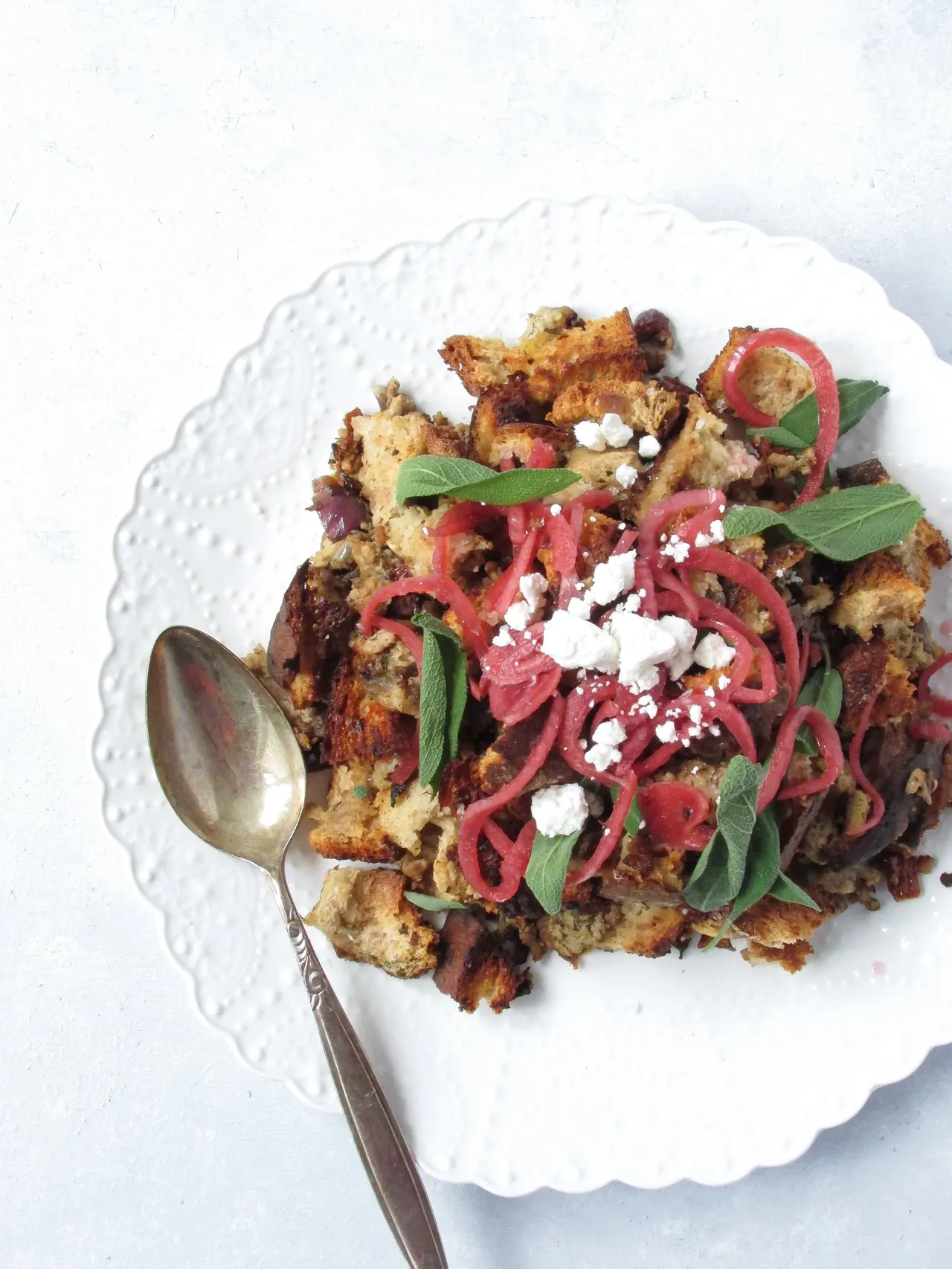
The best baking dishes for Thanksgiving are the ones that match the food, not just the table. For most holiday menus, I’d lean on a 9-by-13-inch ceramic or stoneware casserole dish for creamy sides and stuffing, a metal pan for anything that needs strong browning, and a glass dish when you want to keep an eye on bubbling edges. The right material affects texture, timing, reheating, and even how calmly the day goes when the oven is full.
Ceramic and stoneware are the Thanksgiving workhorses I reach for first. They hold heat steadily, which makes them especially good for stuffing, scalloped potatoes, baked macaroni and cheese, sweet potato casserole, and other dishes meant to stay warm for a while after they come out of the oven.
They’re also practical because they move naturally from oven to table. On a holiday when serving dishes run out quickly, that matters. The trade-off is that thicker walls can mean slightly slower heating, so a deep casserole may need a little more time in the center than the recipe suggests.
I still grease glazed dishes, especially for cheesy or sugary bakes. It helps with release and cleanup, and it’s in line with simple stoneware sticking guidance. I also check that a dish is actually marked oven-safe. Decorative ceramic can look substantial and still be meant only for serving.
The main caution here is thermal shock. I don’t treat stoneware as if it can handle every temperature swing. A cold dish into a very hot oven, or a hot dish onto a wet counter, is where problems start.
Glass is useful when I want visual cues. You can see bubbling around the edges, watch a fruit dessert thicken, or check how a layered casserole is browning on the sides. That makes it especially handy for baked desserts, gratins, and casseroles where timing can be a little flexible but overbaking is not.
Glass also retains heat well, which is helpful for serving but worth remembering because food keeps cooking for a bit after it leaves the oven. That carryover heat can be an advantage with bread pudding or fruit bakes, but less so if a casserole is already looking dry on top.
The downside is that glass needs gentle handling. I follow the dish’s instructions, place it in a fully preheated oven if that’s what the maker recommends, and avoid sudden changes in temperature. General glass bakeware safety guidance consistently warns against thermal shock, and that’s the rule I keep front of mind on busy holidays.
I also don’t assume oven-safe means broiler-safe, stovetop-safe, or freezer-to-oven-safe. For Thanksgiving, that usually means glass is best for straightforward baking and reheating, not last-minute aggressive browning.
If the goal is color and texture, metal usually wins. It heats quickly and encourages better browning on stuffing, dinner rolls, sheet-pan vegetables, slab pies, and any casserole where crispy edges are part of the appeal.
This is the material I’d choose when the oven is crowded and timing matters. Metal cools faster than ceramic or glass, and it’s easy to move in and out in quick succession. That makes it useful for dishes you want to bake, clear, and refill the oven around.
Pan color matters, too. Light-colored metal tends to bake a little more gently, while darker finishes absorb more heat and can brown faster. If I switch materials or pan color from what a recipe expects, I start checking earlier rather than trusting the original baking time.
Metal is also a good answer for shallow vegetable sides. More surface area means more browning, and that’s exactly what Brussels sprouts, roasted carrots, and gratins benefit from.
Cast iron shines when you want serious heat retention and a well-browned crust. Cornbread dressing, skillet stuffing, cobblers, and potato gratins all benefit from that stored heat. It’s especially good for dishes where crisp edges and a hot center are equally important.
Enameled iron gives you a similar steady bake with a nonreactive interior that feels a little easier for casseroles and acidic ingredients. Both types hold heat beautifully on the table, which is useful if dinner stretches longer than planned.
The trade-off is weight and heat management. A full cast-iron dish is heavy, and it stays hot much longer than people expect. I like a visible trivet and very clear oven-mitt habits here. It’s also smart not to place a very hot pan on a cold or damp surface.
I wouldn’t treat cast iron or enameled iron as automatic broiler cookware either. As with every material, manufacturer guidance comes first.
Material matters, but size changes the outcome just as much. A standard 9-by-13-inch dish is the most useful all-around shape for Thanksgiving because it suits family-size portions of stuffing, green bean casserole, baked pasta, and sweet potato dishes. For smaller gatherings or half recipes, an 8-by-8-inch or 9-by-9-inch dish is often the better fit.
What I pay attention to is capacity, not just dimensions. Two dishes can share the same stated size and still hold different amounts because of sloped sides or wide handles. A wider dish gives you more browning and often a shorter bake time. A deeper dish protects moisture but may need longer in the center.
For vegetable casseroles and creamy sides, I leave at least some headspace so bubbling sauce doesn’t spill over. For fruit desserts, I’m especially careful not to fill to the rim. A sheet pan underneath is one of the simplest Thanksgiving tricks I know for easier handling and fewer oven messes.
Most baking-dish problems on Thanksgiving come down to rushing. A few habits prevent most of them.
If a dish has visible cracks, sharp chips, a warped base, or damaged coating, I’d retire it from holiday duty. Thanksgiving is not the day to gamble on a packed casserole in questionable bakeware.
A good baking dish earns its keep before Thanksgiving dinner, not just during it. If you prep casseroles ahead, the safest approach is to cool them promptly, cover well, and refrigerate according to food-safety guidelines. Then check if the dish is meant for refrigerator-to-oven transitions before reheating.
For reheating, I cover moist casseroles first so they don’t dry out, then uncover near the end if I want more color. Dense dishes need longer than shallow ones, and cold centers are the part that delays the whole meal. A practical general reference is this set of Thanksgiving reheating instructions, which works best when you adjust for the depth of your dish and how cold the food is to start.
I also label make-ahead dishes with oven temperature and a rough timing note. It sounds basic, but it saves a lot of backtracking when several sides are waiting for oven space.
The first mistake is overfilling. A pan filled to the rim cooks unevenly, spills over, and creates smoke just when the oven is busiest. If a recipe seems too full, splitting it between two dishes is usually the calmer choice.
The second is using the wrong dish for browning. Oven-safe does not automatically mean broiler-safe. If a casserole needs extra color, I’d rather move it higher in the oven for a few minutes than assume a glass or ceramic dish can tolerate direct broiler heat.
The third is forgetting carryover heat. Ceramic, glass, and iron all keep cooking after they leave the oven. I try to pull dishes when they’re hot and set, not when the tops already look fully finished.
A 9-by-13-inch dish is the most versatile for full-size holiday casseroles. For smaller meals or scaled-down recipes, an 8-by-8-inch or 9-by-9-inch dish usually makes more sense.
Yes, if they’re clearly labeled for oven use and used within their temperature guidelines. I avoid sudden temperature changes and only use high direct heat if the manufacturer specifically says it’s allowed.
Stuffing, green bean casserole, sweet potato casserole, baked pasta, gratins, and many fruit desserts all work well in advance. I add crisp toppings later when possible so they keep their texture.
Metal is usually the best choice for browning and crisp edges. Cast iron is also excellent if you want stronger heat retention and a deeper crust.
For Thanksgiving, I’d build around a few basics: ceramic or stoneware for steady, table-ready casseroles; metal for browning; and glass when visual cues matter. The best baking dish is the one that fits the recipe’s texture, capacity, and reheating plan, then gets through the holiday without drama.
This page contains affiliate links. If you buy through them, Stripes & Willows may earn a commission at no extra cost to you — it never affects what we recommend.