Guide
Best Christmas Gifts For People Who Love Cast Iron
Our honest guide to best christmas gifts for people who love cast iron — what actually matters, what to skip, and how to choose well.
Our honest guide to best christmas gifts for people who love cast iron — what actually matters, what to skip, and how to choose well.
 Best Overall
If I’m choosing a Christmas gift for someone who loves cast iron, I start with this: the best pick is the one they’ll actually use weekly, not the one that looks most impressive in a gift box. For most cooks, that means a practical skillet or Dutch oven sized to their meals, their stove, and their comfort with weight and upkeep. The smart choice comes down to cooking habits, surface type, and how much maintenance they’re happy to take on.
Cast iron has a kind of staying power that makes it feel especially right for Christmas. It’s useful, durable, and tied to real daily cooking rather than a one-off kitchen trend. A good piece can handle searing, roasting, baking, frying, and stovetop-to-oven cooking, which is a big part of the appeal.
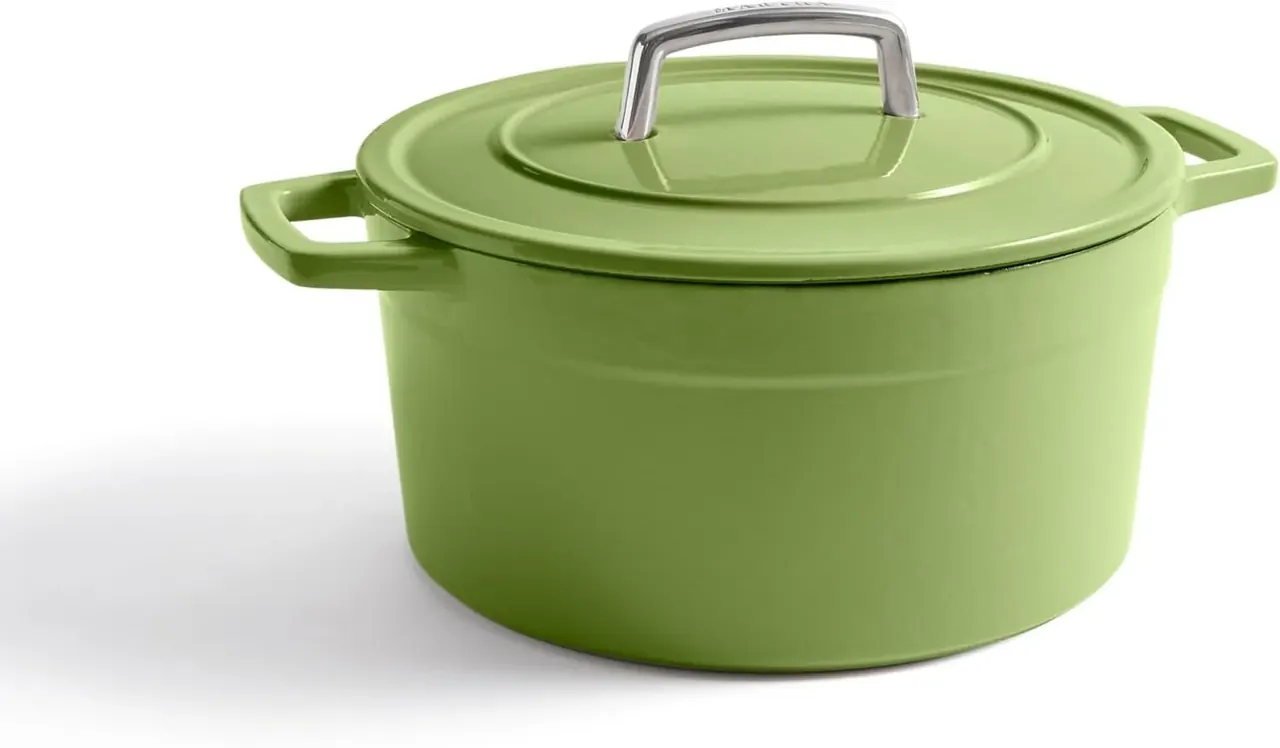
Caraway Home 10.5" Enameled Cast Iron Skillet In Rust | Non-Toxic, Oven-Safe, Long Lasting Cast Iron Pans | For Versatil
Shop at Caraway Home →It also carries a little character with it. Bare cast iron changes over time as the seasoning builds and the surface develops more patina. That makes it feel personal in a way many kitchen gifts don’t. As Lodge notes in its gift guide, cast iron stands out for its durability and versatility, and that’s exactly why it works so well as a long-term gift.
I think cast iron gifts are strongest when they match ordinary routines. A pan that gets used for eggs, cornbread, roasted vegetables, or Sunday braises will always feel more thoughtful than a specialty piece that ends up tucked away on a high shelf.
The shape matters almost as much as the material. I usually think about what the recipient cooks first, then work backward to the right form.
A skillet is the safest and most broadly useful cast iron gift. It works for searing chicken, frying eggs, baking biscuits, roasting vegetables, and making small desserts. For someone new to cast iron, a manageable skillet is usually the easiest place to start.
GoodCook Cast Iron Pre-Seasoned Cast Iron Skillet, 10 Inch, Black
Shop at Amazon →What matters most is choosing a size they can lift comfortably and store easily. A helper handle can make a real difference, especially on heavier pans.
A Dutch oven is a strong gift for someone who cooks stews, beans, chili, pot roast, or no-knead bread. It’s especially practical for cooks who like one-pot meals and slower cooking. A secure lid and sensible capacity matter more than a dramatic oversized shape.
For bread bakers, a covered cast iron vessel can be particularly useful because it helps trap steam during the early part of baking.
Flat griddles suit pancakes, grilled cheese, tortillas, and breakfast spreads. Specialty pans, including cornbread molds or other baking shapes, make better gifts when you know the recipient already loves that kind of cooking. If I can’t clearly picture how a piece will fit into someone’s routine, I usually skip the novelty option.
This is the practical fork in the road. The choice between bare and enameled cast iron changes how the cookware is used, cleaned, and maintained.
Bare cast iron is ideal for high-heat searing, frying, baking, and roasting. It builds seasoning over time, and that seasoning helps with food release and rust protection. It does ask a little more from the cook: prompt drying, light oiling, and occasional reseasoning.
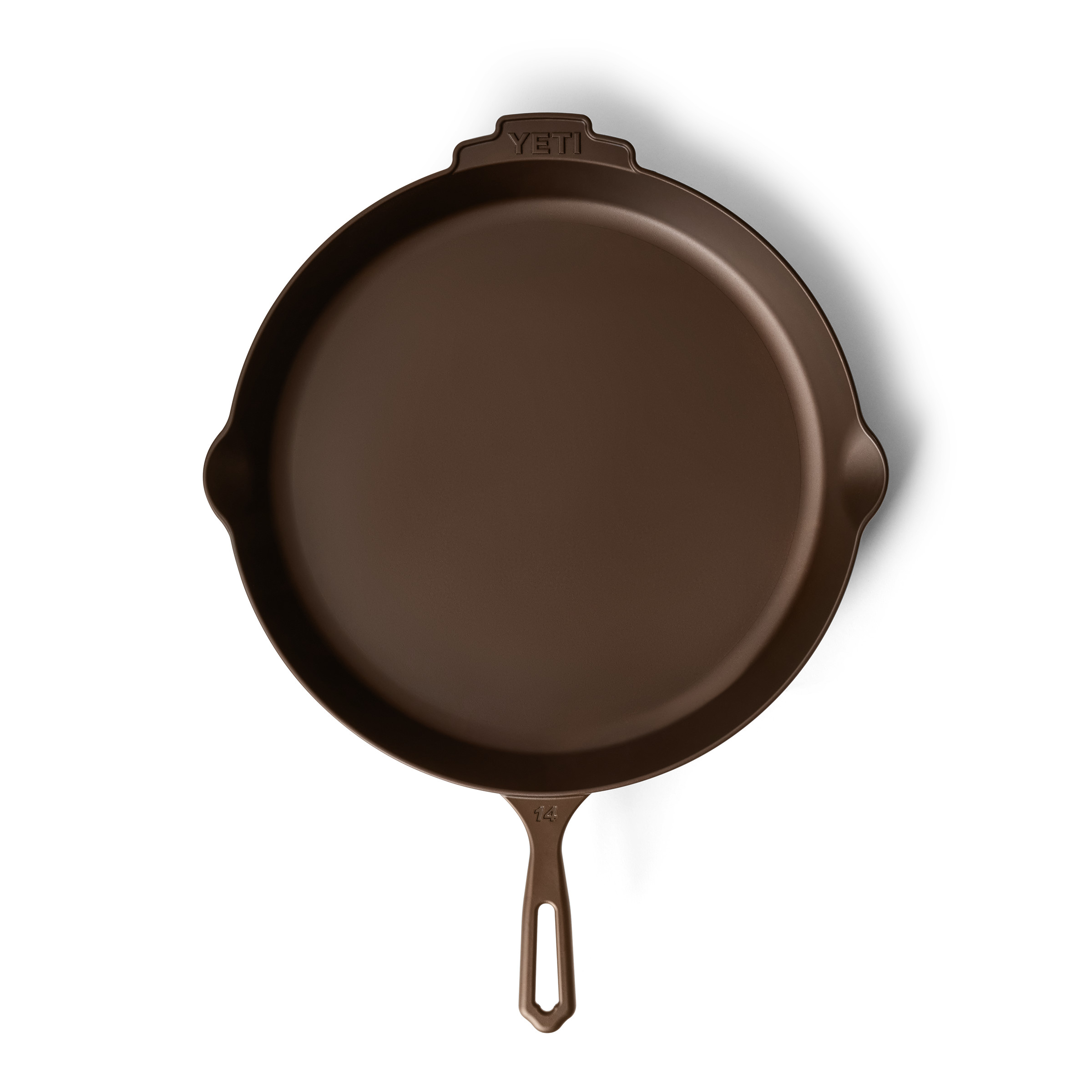
YETI YETI® Cast Iron Skillet 14
Shop at YETI US →For someone who enjoys hands-on cookware and doesn’t mind a simple care routine, bare iron makes sense. It’s forgiving in the long run because the surface can be restored if it gets dull or rusty.
Enameled cast iron has a coated interior, so it doesn’t need seasoning. It’s often the easier choice for cooks who like braises, soups, tomato sauces, or wine-based dishes, since acidic ingredients are less of an issue. This explanation of enameled versus unfinished cast iron gives a clear overview of how the surfaces differ in use and upkeep.
The tradeoff is that enamel needs gentler handling. It shouldn’t be treated like a rough-and-ready bare iron pan. Abrasive cleaning, metal tools, and sudden temperature swings can all be harder on the coating.
A thoughtful cast iron gift should suit the cook, not just the category.
I’d lean toward a straightforward skillet with clear care instructions. New cast iron owners usually need reassurance more than anything else. Seasoning is not a fragile mystery, and soap is not automatically forbidden. A beginner-friendly gift should feel approachable from day one.
If someone already owns a basic skillet, it makes more sense to fill a gap than to duplicate what they have. A deeper vessel, a second useful size, or a piece for bread or braising can be more thoughtful than another standard pan.
Bread bakers may appreciate a covered baking vessel, while outdoor cooks often benefit from simple, durable bare cast iron that can move across grill, oven, or campfire use. In those cases, practical accessories can help too, especially if they solve a real handling or care need rather than just adding clutter.
If I were giving cast iron as a gift, I’d always include a short care note. It makes the gift feel ready to use instead of slightly intimidating.
Seasoning is simply a thin layer of oil baked onto the surface through heat. The key is thinness. Too much oil leaves a sticky finish, while a very light coat works better. Early on, cooking foods with a bit of oil can help the surface settle in nicely.
Bare cast iron can be cleaned with warm water, a brush or scraper, and mild soap if needed. The important part is drying it promptly and completely. A whisper-thin coat of oil after cleaning helps protect the surface.
Enameled cast iron doesn’t need oiling or seasoning, but it still benefits from gentle washing and avoiding abrasive tools.
Rust is usually a moisture problem. Thorough drying matters more than almost anything else with bare iron. If pieces are stacked, it helps to place a cloth or paper barrier between them and store them somewhere dry. This cast iron care guide covers the basics of cleaning, drying, and rust prevention in a straightforward way.
A few gifting mistakes come up again and again, and most of them are easy to avoid.
A large pan can feel generous, but if it’s awkward to lift, it may never become part of everyday cooking. Weight matters, especially for cooks who need to move a full pan from stove to oven or who have limited storage space.
Cast iron works on many heat sources, but the details still matter. Glass-top stoves call for a smooth base and gentle handling. Burner size matters too, since a very wide pan over a small element can heat less evenly.
This is the biggest one. Bare iron needs drying, oiling, and seasoning maintenance. Enamel does not need seasoning, but it does need protection from chipping and thermal shock. Mixing up those routines can shorten the life of the piece or make it more frustrating to use.
Yes, for most people it’s the safest cast iron gift because it’s versatile and easy to picture in regular use. The best version is one the recipient can lift comfortably and store without hassle.
I’d avoid long simmers of highly acidic foods in a newly seasoned bare cast iron pan. Tomatoes, vinegar, and wine-heavy dishes can wear down seasoning and sometimes leave a metallic taste. Those recipes are usually better in enameled cast iron.
It depends on the cook. Bare cast iron is better for someone comfortable with seasoning and routine maintenance. Enameled cast iron is better for someone who wants lower upkeep and cooks acidic dishes often.
A brief care card is the most useful addition. If you want to add something extra, keep it practical: a pan scraper, a simple towel, or heat-safe handling help can make sense if it supports how the cookware will actually be used.
The best Christmas gifts for people who love cast iron are practical, well-matched, and easy to use right away. A sensible skillet, Dutch oven, or specialty piece chosen with weight, care, and cooking style in mind will always feel more thoughtful than a flashy pan that doesn’t fit the person.

Paige Gilmore
Founder of Stripes & Willows — recipe creator, food photographer and stylist. Every guide is written to make honest, useful kitchen decisions easier.
More about Stripes & Willows →This page contains affiliate links. If you buy through them, Stripes & Willows may earn a commission at no extra cost to you — it never affects what we recommend.