Guide
Best Christmas Gifts For Coffee Lovers
Our honest guide to best christmas gifts for coffee lovers — what actually matters, what to skip, and how to choose well.
Our honest guide to best christmas gifts for coffee lovers — what actually matters, what to skip, and how to choose well.
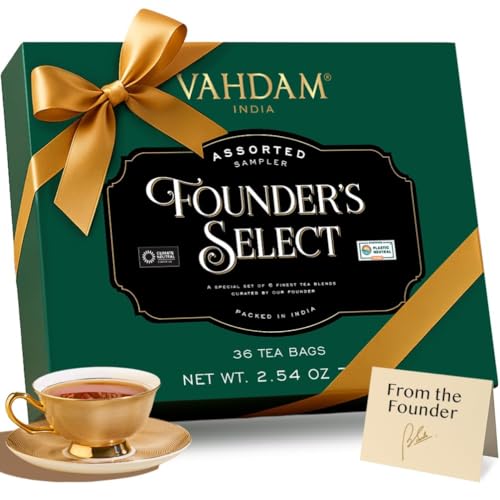 Amazon
The best Christmas gifts for coffee lovers are the ones that fit the way they already make coffee. In my kitchen, the safest winners are useful tools, fresh beans, storage that actually keeps coffee fresh, and small upgrades that make a daily routine easier instead of more complicated. If you match the gift to their brew method, available space, and tolerance for cleanup, it is much more likely to be used long after the holidays.
A good coffee gift should slide into someone’s morning without asking them to change everything. I like to think about four things first: how they brew, how much time they want to spend, how much room they have, and if they care most about convenience, precision, or presentation.

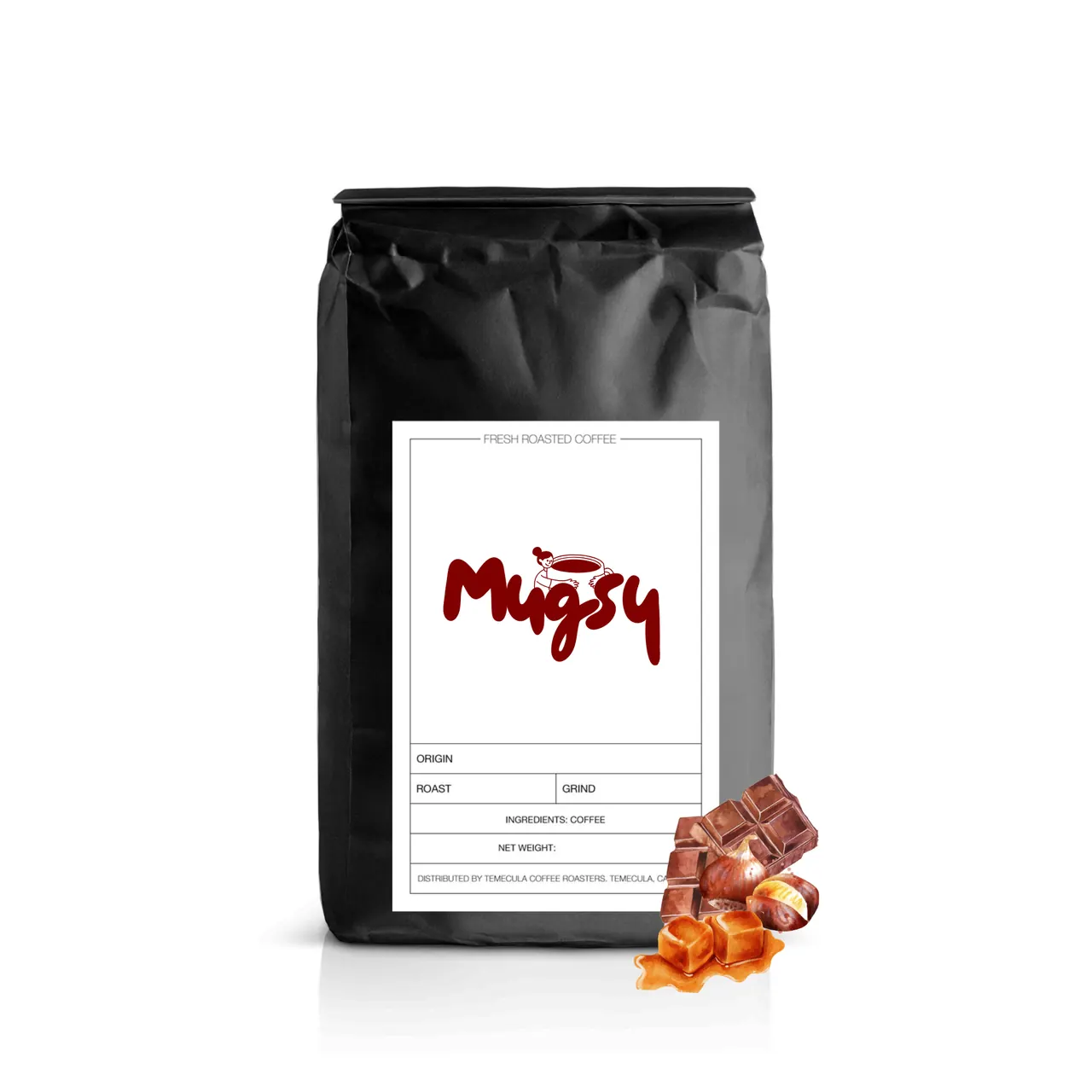
COFFEE MASTERS The 12 Coffees of Christmas Gift Set
Shop at Amazon →For someone who uses pods, instant coffee, or a basic automatic machine, practical gifts tend to work best. A travel mug, a tidy storage container, extra filters, or a simple milk-frothing tool can help without adding extra steps.
For hands-on brewers, useful gifts usually center on control. A dripper, server, brewing scale, reusable filter, or timer can all make sense, but only if they match what the person already uses. Filter shape, brew size, and storage space matter more than a gift looking impressive in the box.
Espresso drinkers are usually the most particular. A milk pitcher, tamping mat, dosing accessory, knock box, or machine-safe cleaning supplies can be thoughtful. I would be careful with larger equipment here, since sizing, compatibility, and workflow vary so much from one setup to another.
If the recipient mainly serves coffee to guests or keeps a communal coffee station, capacity matters. Thermal carafes, durable cups, serving trays, and restocks of practical consumables often feel more helpful than another gadget. Some broader coffee gift roundups get this right: the best gift is usually the one that supports an existing habit.
The most appreciated coffee tools usually solve a small daily annoyance. They help with consistency, cleanup, or comfort, and they do not require a manual every time someone wants a cup.
For manual brewing, the essentials are straightforward: a brewer, the right filters, a server or mug, and a stable place to work. If someone brews one cup at a time, a compact setup makes sense. If they routinely make coffee for two or three people, a tiny brewer can quickly become annoying.
Scales and timers are especially helpful for people who like repeatable results. Measuring coffee and water by eye works for some, but a scale makes it easier to get the same cup twice. I would lean toward simple controls and an easy-to-read display over extra features that never get touched.
Kettles can also be a smart gift when someone brews manually. A controlled pour helps with pour-over, while overall capacity matters for French press, tea, or serving a group. Before giving any larger hot-water tool, I would think about outlet access, countertop space, and where it will live when not in use.
Storage matters more than many gift guides admit. Coffee loses character when exposed to light, moisture, heat, and too much air, so an opaque, airtight container can be genuinely useful. It should be easy to open, easy to clean, and sized for the amount of coffee they actually use, not for long-term storage of beans that will sit too long.
Stainless steel is often the most practical material for coffee gifts because it is durable, nonporous, and easy to fit into daily use. It makes sense for travel mugs, serving tools, kettles, carafes, and some storage pieces.
The main advantage is durability. Stainless steel holds up well to repeated washing and regular handling, which is important for anything used every morning. Double-wall pieces can help retain heat longer, though lids and seals become the real point to check. If the closure is awkward to clean, residue builds up fast.
For gifting, I like stainless steel when the recipient commutes, drinks coffee over a longer period, or tends to prefer low-maintenance gear. It is less ideal when visual cues matter, since you cannot see brew level or extraction the way you can with glass.
Glass works beautifully for coffee because it is nonreactive and lets you see what is happening. For manual brewers and servers, that visibility can be part of the pleasure as well as the function.
The trade-off is fragility and heat loss. Thin glass can cool coffee faster, and any vessel that moves from very hot to very cold conditions needs a bit of care. Heat-resistant glass is the better fit for brewing pieces, especially if the item will see regular use.
Glass makes the most sense for someone who enjoys the ritual of brewing and serves coffee at home rather than carrying it out the door. Handles, sleeves, and stable bases all matter here. A gift can be lovely, but it still has to feel safe and comfortable in everyday use.
Ceramic is a dependable choice for mugs and some brewers because it holds heat reasonably well and does not retain coffee odors when cleaned properly. It also tends to feel substantial in the hand, which many coffee drinkers prefer.
What I would watch for is shape and finish. A good handle, stable base, and smooth glaze matter more than decoration. Chips, rough interiors, and hairline cracks make cleaning harder and shorten the useful life of the piece.
Ceramic is a strong gift option for someone who drinks slowly at home and likes the feel of a familiar mug. Size also matters. An oversized mug sounds generous, but it is not very practical if it feels heavy when full or does not fit under the brewer they use each day.
Wood and cork show up most often in serving trays, handles, coasters, and decorative accents around a coffee station. They add warmth, but they need more thoughtful care than steel or ceramic.
These materials can absorb moisture and odors if left wet, so they are best for accessories rather than anything that sits in coffee or water. They should be dried promptly and only conditioned if the maker recommends a food-safe treatment.
As gifts, wood and cork work best when the recipient enjoys setting up a coffee corner or serving guests. I would not choose them as the main functional piece unless upkeep is already part of that person’s style.
Not every coffee gift needs to be a brewer. In many cases, the better choice is a small accessory that improves flavor or makes maintenance less annoying.
Grind-related tools can be helpful if the recipient already grinds beans at home. More uniform grinding generally supports more even extraction, and even simple accessories like dosing cups or tidy grounds containers can make a station easier to use.
Water also matters. If tap water tastes strongly of chlorine or leaves visible scale, a suitable filtration method may help both flavor and equipment care. The details depend on local water and the brewer or machine in question, which is why I would avoid assuming that every filter setup is automatically best. The National Coffee Association’s brewing guidance is a helpful baseline for thinking about water, ratio, and freshness.
Milk tools can be a nice gift too, but only if the person actually drinks milk-based coffee. A pitcher, frother, or serving spoon should be easy to wash, especially around seams and interiors where residue can cling.
Cleaning supplies are an underrated gift. Brewers, lids, reusable filters, grinders, and frothers all collect oils and residue. Practical gift ideas that people will actually use often include these maintenance basics, which is also a point made in broader coffee gift guides focused on daily usefulness.
The easiest way to miss the mark is to buy for an imaginary coffee lover instead of the real person in front of you. Coffee drinkers often have strong preferences, and even small mismatches can turn a nice gift into clutter.
Lion Coffee Chocolate Macadamia Coffee
Shop at Amazon →Do not duplicate equipment without checking first. Many coffee lovers already own more mugs, brewers, and scales than they need.
Do not ignore space. A compact, well-chosen accessory is often more useful than a bulky appliance that has nowhere to go.
Do not choose novelty over function unless you know they enjoy display items. A joke mug is not much help if what they really need is fresh filters or a better storage container.
Do not assume one brew method suits everyone. Someone who loves automatic drip may have no interest in manual pour-over, and a pour-over devotee may not want pod-based gear.
Do not forget ongoing care. Replacement filters, descaling supplies, and cleaning tablets can be better gifts than another piece of hardware, especially when you know the exact setup.
If I am unsure, I would rather give a well-chosen consumable, a practical accessory, or a flexible gift card than force a very specific piece of equipment. The Specialty Coffee Association also offers useful general education around brewing best practices, which reinforces the value of matching tools to process and maintenance.
The best gifts support the routine they already enjoy. Fresh beans, airtight storage, a scale, a kettle, serving ware, or compatible cleaning supplies are all strong choices when they match the person’s brew method.
Start with how they make coffee now. A useful accessory or replenishment item is usually a safer choice than an unfamiliar appliance, especially if you are not sure about their space or preferences.
Filters, beans, a scoop, a cleaning brush, coasters, a small storage container, or a café gift card can all be thoughtful without becoming clutter. Smaller maintenance items are often more useful than novelty gifts.
Consumables and care items are usually the safest answer. Beans, filters, descaling supplies, and machine-safe cleaners get used up and do not compete with equipment they already own.
The best Christmas gifts for coffee lovers are practical, compatible, and easy to keep using. If you pay attention to brew method, material, and cleanup, even a small coffee gift can feel thoughtful and genuinely helpful.

Paige Gilmore
Founder of Stripes & Willows — recipe creator, food photographer and stylist. Every guide is written to make honest, useful kitchen decisions easier.
More about Stripes & Willows →This page contains affiliate links. If you buy through them, Stripes & Willows may earn a commission at no extra cost to you — it never affects what we recommend.