From This Page
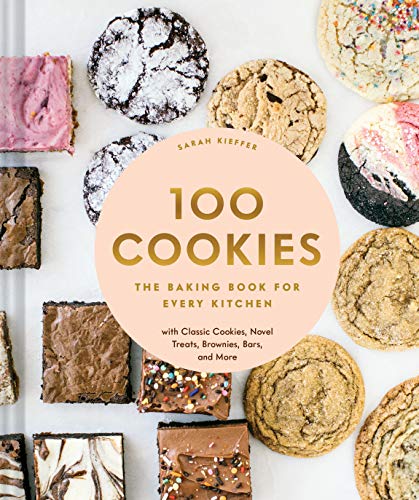 Best Overall
Recommended by Stripes & Willows
Best Overall
Best Overall
The best Christmas gifts for cookie bakers are practical tools they will reach for all year: a kitchen scale, heavy baking sheets, a reliable scoop, sturdy cooling racks, and simple decorating gear that actually improves results. I would choose usefulness over novelty every time, then match the gift to the kind of cookies they bake most often and the space they have to store it.
If I am choosing one category that rarely misses, it is sturdy metal bakeware and tools. Metal brings rigidity where cookie bakers need it most: sheet pans that hold their shape, scoops that portion evenly, bench scrapers that cut cleanly, and cutters that release dough without bending.
For baking sheets, weight matters. Heavier pans tend to heat more steadily and are less likely to twist or warp during a hot oven cycle. Pan color matters too. Lighter pans usually brown more gently, which is helpful for sugar cookies, shortbread, and any dough where overbrowned bottoms are a nuisance. Darker pans can push browning faster.
A metal cookie scoop is another strong gift because it solves a repeated problem: uneven portions. Uniform dough balls bake at a similar rate, so the tray is less likely to give you a mix of pale middles and overdone edges. The same logic applies to sturdy measuring spoons and cups with markings that stay readable.
I also like metal cooling racks with a stable grid. Good airflow helps cookies cool evenly and keeps bottoms from staying damp or soft. In holiday baking roundups like this cookie-tool guide from Serious Eats, the most consistently useful gifts are the unglamorous workhorses: sheets, scoops, cutters, and rolling tools.
For care, metal tools should be dried thoroughly before storage, especially around seams or edges. I would skip anything with flaking coating, sharp unfinished spots, or handles that feel loosely attached.
Silicone makes sense when flexibility is the point. Spatulas, baking mats, and some handle grips earn their keep because they scrape bowls clean, fold dough gently, and help with easier release and cleanup.
The biggest difference in silicone tools is firmness. A spatula with a strong edge is useful; one that folds over itself under pressure is frustrating. For a cookie baker, that firm edge matters when scraping sticky molasses dough, folding chocolate chunks into a thick batter, or getting every bit of royal icing from a bowl.
Silicone is also helpful for bakers who use coated pans and want gentler utensils. It generally handles heat well and cleans up easily, but oily residue can cling if it is not washed carefully. Textured seams and handle joints are where grease and old batter tend to hide, so simple construction is a real advantage.
As a gift, silicone is rarely the star of the box, but it is often the item that gets used constantly. I would just keep the focus on quality and shape, not cute seasonal colors or decorative handles.
Wooden baking tools can be lovely and useful, especially for rolling pins, spoons, and a few hand tools that benefit from a comfortable grip. In a cookie kitchen, wood is often appreciated for how it feels in the hand and how naturally it handles dough.
That said, wood is not the easiest material to give if the baker prefers low-maintenance tools. It absorbs moisture, needs prompt drying, and should not be left soaking in the sink. If a wooden item is poorly finished or stored damp, it can become rough or develop cracks over time.
For that reason, I think wood works best when it fills a clear need, like a straightforward rolling tool for cutout cookies. A rolling pin paired with thickness guides is genuinely helpful because it controls one of the most common cookie problems: dough rolled too thin at the edges and too thick in the center.
If I were giving wood, I would keep it simple, functional, and easy to store rather than ornate.
Plastic is not my first choice for core baking tools, but it can be very useful for storage, organization, and a few decorating tasks. Stackable containers, divider boxes, squeeze bottles, and ingredient bins can be a smart gift for the baker who makes large holiday batches or packs cookie boxes to share.
The value here is less about performance in the oven and more about workflow. A baker who decorates cutouts may appreciate bottles or storage boxes that keep icing supplies organized. A baker who gives away dozens of cookies may get more use from sturdy containers and packaging support than from another novelty cutter.
The tradeoff is durability. Plastic varies widely, so I would pay attention to food-safe labeling, scratch resistance, and whether the piece is meant for hot ingredients or just room-temperature storage. If it seems flimsy or awkward to clean, it is probably not the best gift.
The smartest gift depends less on trends and more on the baker’s habits. Someone who bakes two trays in December has different needs than someone who turns out six varieties for neighbors every weekend.
I would start with the tools that improve consistency: a scale, a scoop, a sturdy sheet pan, or an extra cooling rack. These all help with chocolate chip, oatmeal, peanut butter, molasses, and similar doughs where even size and steady baking matter most.
Rolled dough bakers benefit from thickness guides, solid cutters, parchment, cooling space, and reusable piping gear. A small offset spatula is another useful choice because it can spread icing, smooth fillings, and lift delicate cookies cleanly.
Capacity matters here. Extra sheet pans, more rack space, nesting bowls, and storage containers can smooth out the bottlenecks that happen during holiday baking. Packaging support is also worth considering. Practical cookie-box advice, like the kind shared in holiday cookie gifting guides, usually comes down to the same thing: sturdy, food-safe containers with enough structure to protect the cookies.
I look for a gift that solves a repeated kitchen annoyance. Better measuring means more repeatable dough. Better pans mean more even baking. Better storage means less breakage and less stress when the cookies leave the house.
That is also why I put novelty lower on the list. Seasonal shapes and festive patterns can be charming, but they are rarely the thing a baker is most grateful to own in February. A plain bench scraper or dependable measuring spoon set may not look especially giftable, but it often ends up being more valuable.
I also think about storage before buying. Bulky tools are only helpful if they fit the kitchen. Nesting bowls, stackable racks, and flatter tools tend to work better in real cabinets and drawers than oversized specialty pieces.
Resources like Sally’s holiday baking guide make the same point in a different way: the best baking gifts are usually essentials, upgrades, and ingredients that support the baker’s actual routine.
The easiest mistake is buying a duplicate of something the baker already has, especially spatulas, rolling pins, or basic sheets. Unless you know they need a second one or a meaningful upgrade, duplicates can become drawer clutter fast.
Another common miss is choosing single-use novelty items. I would be cautious with themed gadgets, decorative aprons, and cookie tools that only work for one short holiday window. If I want to include something playful, I would pair it with a practical item so the gift still feels grounded.
Skill level matters too. A beginner may prefer a scale and good baking sheets over a box of decorating accessories. An experienced cookie decorator may already own specialized piping tools and be more appreciative of storage, packaging, or backup tray space.
Finally, I would never ignore care requirements. Gifts that are hard to clean, prone to rusting, or fussy to maintain often get pushed to the back of the cabinet.
Cookie gear lasts longer when it is treated gently after baking. I let hot pans cool before washing because sudden temperature changes can stress metal and encourage warping. Nonabrasive cleaning is usually enough for most cookie residue.
Wood should be hand-washed and dried right away. Silicone should be cleaned thoroughly around seams and textured spots. Metal tools should be dried completely before storing so moisture does not linger in edges or joints.
I also think storage is part of durability. Sheet pans stored flat or carefully upright are less likely to bend. Cooling racks and cutters that stack neatly are more likely to stay in good shape and get used often.
The most reliable choices are a kitchen scale, sturdy baking sheets, a cookie scoop, cooling racks, measuring spoons, and practical decorating tools. The right pick depends on the kind of cookies the baker makes most often.
I would focus on tools that improve accuracy and consistency: a scale for measuring, a scoop for even portions, and a durable sheet pan for better baking. For cutout bakers, add rolling guides, cutters, and reusable piping supplies.
The useful unusual picks are the ones that solve a real problem, such as thickness guides for rolled dough, stackable cooling racks, divider containers, or reusable cookie packaging. Functional beats quirky every time.
Look for rigid, food-safe boxes or containers with enough structure to protect the cookies, plus liners or dividers if needed. Crisp cookies generally travel better, while iced and softer cookies need more separation. Shelf-life and shipping considerations matter too, especially for gifting farther from home, as noted in this guide to cookies that hold up better for shipping and gifting.
The best Christmas gifts for cookie bakers are the quiet workhorses: well-made tools, smart storage, and pieces that make baking more consistent and less fussy. If you match the gift to the baker’s style and choose materials that are easy to use and care for, it is much more likely to become part of their regular baking rhythm.
This page contains affiliate links. If you buy through them, Stripes & Willows may earn a commission at no extra cost to you — it never affects what we recommend.
