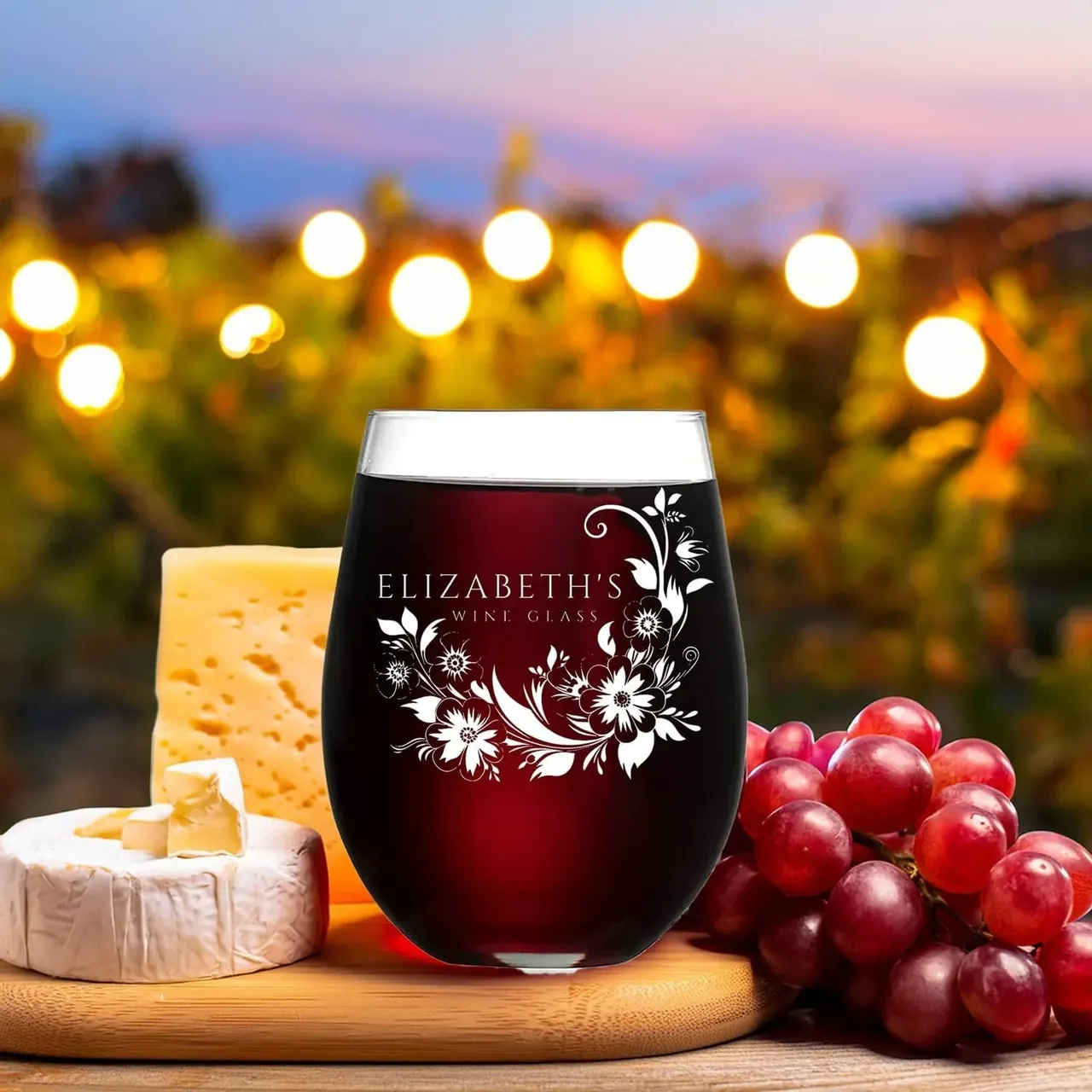
The best Christmas gifts for food lovers who have everything are the ones that fit how they actually cook, eat, and gather: a well-chosen experience, a consumable with a clear use, a small upgrade that fixes a daily annoyance, or a project that preserves food memories. If their kitchen is already full, I would skip novelty and give something that gets used, enjoyed, or remembered without asking for more storage space.
1. Start With How They Use Their Kitchen
I find this matters more than the “food lover” label itself. Some people bake every weekend, some host big holiday dinners, some care deeply about coffee, and some simply love a memorable meal out. A good gift starts with those habits.
I look at frequency first. Do they make bread, grill often, pack lunches, preserve summer produce, or pull together quick weeknight dinners? A baker may appreciate specialty ingredients or a class. A host may get more use from something that makes serving easier or cleanup less annoying.
It also helps to think through the practical side before buying anything edible. Allergies, dietary restrictions, spice tolerance, alcohol preferences, and storage space can make the difference between a thoughtful gift and one that sits untouched. A large hamper sounds generous, but if half of it cannot be eaten, it is mostly clutter.
If I am unsure, I ask a simple question: do they enjoy making food, or do they mostly enjoy the experience around food? That answer usually points me toward either a kitchen-focused gift or a shared meal, tasting, or class.
2. Choose Experiences When Their Kitchen Is Already Full
For the person who seems to own every useful tool already, experiences are often the strongest answer. They create a memory instead of another object, and they can still feel personal if they match a real interest.
Hands-on classes work well when the topic is specific: pasta, bread, fermentation, knife skills, barbecue, chocolate, regional cooking. I would choose the format carefully. Some people want a relaxed evening that feels social; others want a technical workshop that teaches something concrete.
Tastings can be just as good. Tea, coffee, chocolate, cheese, spices, olive oil, or wine all lend themselves to a structured event that feels festive without being overcomplicated. I would pay attention to scheduling, accessibility, transportation, and any allergy information before giving it.
There are plenty of ideas in broader roundups, including this guide to culinary gift experiences, but I think the best version is usually the simplest one: one afternoon or evening that clearly suits the person.
A shared meal also counts. A reservation for a cuisine they love, a themed dinner at home, or an evening where someone else handles the shopping, cooking, and cleanup can be deeply thoughtful for a person who is usually the one doing all the work.
3. Give Consumables That Feel Special, Not Random
Consumables are ideal for anyone who dislikes clutter. They are even better when they feel a little more special than everyday groceries and come with a clear way to use them.
I would rather give a small group of thoughtfully matched pantry items than a large basket filled with filler. A specialty salt, good chocolate, a distinctive preserve, a spice blend, or a finishing ingredient can feel generous when it reflects the recipient’s taste. This edible gift roundup captures that idea well: useful pantry treats tend to land better than novelty sweets.
The common mistake here is giving too much with no plan. If I include a specialty ingredient, I like to add a recipe card or a short note explaining how I imagine it being used. That turns an ingredient into dinner rather than a puzzle.
Freshness matters too. Perishable foods, refrigerated items, and anything seasonal need timing. I would also be cautious with subscriptions unless I know the person enjoys recurring deliveries. A short commitment is usually easier than months of something they did not ask for.
Homemade gifts can be excellent when they are clearly labeled. Cookies, spiced nuts, bark, jam, infused sugar, and spice blends all work better when ingredients, allergens, and storage notes are included. That practical piece is easy to skip, but it is part of making a food gift feel polished and useful.
4. Focus on Small Kitchen Upgrades, Not Big Equipment
When someone already has a well-equipped kitchen, I try not to guess about large appliances or major cookware. Size, weight, maintenance, and personal preference matter too much. Small upgrades are usually safer and more appreciated.
The best ones solve a repeated friction point: inconsistent baking, messy prep, awkward storage, or a tool that never works as well as it should. A compact, hardworking tool can make a big difference if it supports something they already do every week.
I would also think honestly about care requirements. Materials matter. Stainless steel is durable and nonreactive. Cast iron holds heat well but needs drying and occasional seasoning. Carbon steel also benefits from careful drying and develops a seasoned surface over time. Wood feels warm and useful in the kitchen, but it should be hand-washed and conditioned rather than soaked. Silicone can be very practical, though some pieces can hold onto strong odors depending on how they are used.
The mistake I see most often is choosing the idea of a beautiful material without considering the person’s habits. A high-maintenance gift is not especially thoughtful if the recipient wants dishwasher-safe simplicity. Practical guidance from sources like America’s Test Kitchen’s holiday guide tends to come back to the same point: useful beats impressive.
Before giving any kitchen tool, I would ask a few quiet questions. Do they already own one? Is it easy to clean? Will it fit in a drawer or cabinet? Does it solve more than one narrow task? If the answer is no, I would move on.
5. Preserve Food Memories Instead of Adding More Stuff
Some of the most meaningful food gifts are not things to cook with at all. They are ways to hold onto recipes, stories, and traditions that might otherwise get lost.
A family recipe archive can be simple and still feel beautiful. Handwritten cards, scanned notebook pages, photographs, notes on substitutions, and a short memory next to each dish can turn scattered recipes into something lasting. I like this kind of gift because it is practical and emotional at the same time.
The useful detail is context. Old recipes often assume knowledge that was never written down: pan size, oven temperature quirks, what “bake until done” actually means, or which ingredient has changed over time. Adding those notes separately keeps the original intact while making the recipe easier to use now.
A small custom cookbook also works well. It might focus on holiday dishes, a person’s signature meals, or recipes tied to a trip or family tradition. It does not need polished design to be meaningful. Readable formatting, a sensible order, and a few thoughtful notes are more important than making it look expensive.
6. Avoid Gifts That Create Clutter
This is the part that matters most for food lovers who already seem to have everything. Restraint is part of giving well.
Novelty gadgets often miss because they solve a problem no one actually has. They can be funny for a moment, but if they are hard to clean, single-purpose, oversized, or awkward to store, they become a burden. The same goes for decorative serving pieces that do not suit the person’s style or kitchen size.
I am also cautious about gifts that quietly assign work to the recipient. A complicated kit with perishable pieces, an appliance that needs lots of cleanup, or ingredients that require a whole project just to use can feel less like a present and more like an obligation. Even broad gift roundups, like Food Network’s guide for home cooks, tend to support the same idea: fun is good, but usefulness matters.
If I cannot explain why I chose a gift in one personal sentence, it is probably not the right one.
FAQ
What are the best Christmas gifts for a foodie who already has everything?
The safest choices are experiences, premium consumables, or a personal project such as a recipe archive. They bring pleasure without competing for shelf space in an already full kitchen.
What luxury gifts work well for food lovers at Christmas?
A memorable meal, a private tasting, an exceptional ingredient, or a thoughtful replacement for something worn out usually feels more personal than simply choosing the most expensive object. Luxury works best when it improves a routine or creates a real occasion.
What inexpensive Christmas gifts are good for foodies?
Homemade treats, a carefully mixed spice blend, a handwritten recipe set, or an invitation to cook and eat together can all feel generous without costing much. The key is to match the person’s taste and include practical details like ingredients and storage notes.
What food-related gift should I get for a couple who has everything?
I would lean toward a shared experience: a dinner, tasting, cooking class, or a complete at-home meal plan built around a cuisine they love. A smaller gift that creates one good evening is often better than a large assortment of unrelated items.
The Bottom Line
The best Christmas gifts for food lovers who have everything are thoughtful, specific, and easy to enjoy. I would choose something that matches the way they really live in the kitchen, then keep it simple enough that it feels like pleasure, not more stuff.
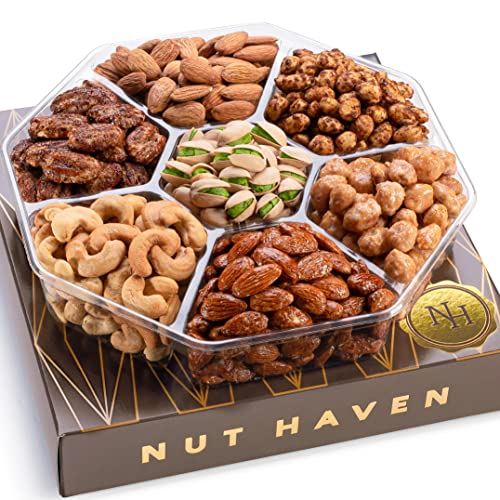 Best Overall
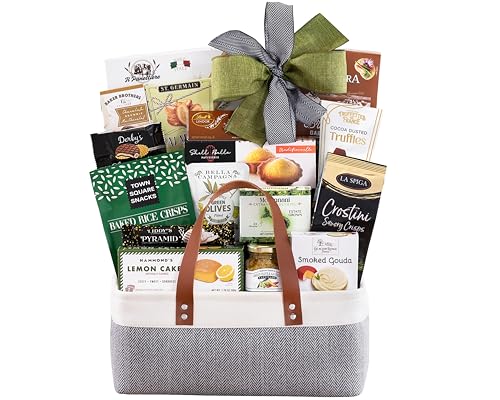 Best Premium