Guide
Best Christmas Gifts For People Learning To Cook
Our honest guide to best christmas gifts for people learning to cook — what actually matters, what to skip, and how to choose well.
Our honest guide to best christmas gifts for people learning to cook — what actually matters, what to skip, and how to choose well.
 Best Value
 Also Great
 Also Great
The best Christmas gifts for people learning to cook are the ones they’ll use on an ordinary Tuesday: a good knife, a steady cutting board, accurate measuring tools, a thermometer, a versatile pan, and a little guidance on how to use them. I’d skip novelty gadgets and oversized sets. A thoughtful beginner gift should make cooking feel clearer, safer, and easier to repeat.
I find this matters more than the gift category itself. A true beginner usually needs tools that remove guesswork and help them build confidence. Someone who already cooks from recipes may be ready for gear that improves consistency, like a scale or a better pan. A more ambitious home cook may get more value from something that opens up a new technique rather than adding more basics.
For first-time cooks, I’d keep it simple: one all-purpose knife, a stable board, measuring cups and spoons, a heat-safe utensil, and a thermometer. That small group covers prep, measuring, stirring, and checking doneness without turning the kitchen into storage overflow. Serious Eats’ beginner cook gift guidance makes a similar point: foundational tools tend to help more than complicated equipment.
For confident recipe followers, I’d think about the point of friction. If baking keeps going wrong, a digital scale is more useful than another mixing bowl. If stovetop food lacks color, a better skillet and a wider turner may do more good than any specialty gadget. For cooks already building skills, technique-focused gifts can make sense, but only if they solve a real need and fit the kitchen they already have.
The most useful gifts teach by giving feedback. Good tools make it easier to notice what’s happening: how fast onions soften, what proper browning looks like, how dough changes when measurements are accurate, or when chicken is actually done instead of merely looking done.
A thermometer is one of my favorite practical gifts for a learner because it answers so many questions at once. It helps with meat, bread, frying, custards, and reheating leftovers. It also teaches an important lesson early: visual cues matter, but temperature confirms them.
For prep work, a comfortable chef’s knife and a board that doesn’t slide are worth more than a drawer full of specialized cutters. Add a bench scraper, prep bowls, or a colander if the person tends to feel flustered mid-recipe. Better organization often improves cooking more than another pan does.
If the recipient likes baking or wants to get into it, measuring tools and a scale are hard to beat. Small differences in flour or sugar can change texture quickly, so accurate measuring is not an advanced extra. It’s one of the easiest ways to make recipes more repeatable. The Kitchn’s beginner-focused gift ideas also lean toward these practical, skill-building basics.
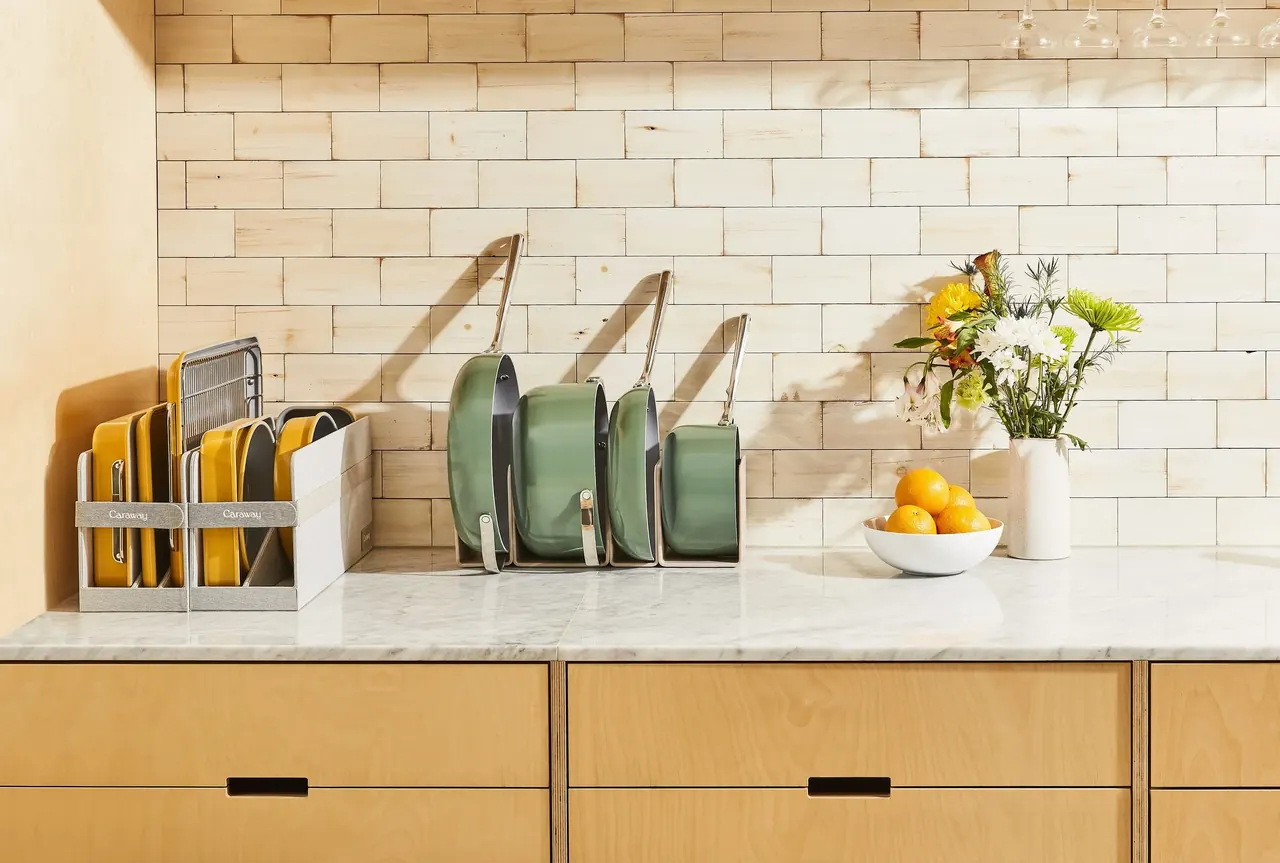
Cookware can be a great gift for someone learning to cook, but only if the material matches how they cook now. Different pans behave differently, and that affects how easy they are to learn on.
Some pans respond quickly when the heat is lowered or raised, which is helpful for delicate cooking. Heavier pans tend to hold heat more steadily, which can support browning and simmering. Neither quality is automatically better. A learner who’s easily rattled by a fast-moving pan may prefer steadier heat, while someone practicing sauces or eggs may appreciate quicker response.
I’d also pay attention to weight. A heavy pan can feel solid, but it can also be awkward for a teen, a child, or anyone who doesn’t want to wrestle with cookware at the stove. Handle comfort and balance matter just as much as material.
Nonstick can be genuinely helpful for beginners, especially for eggs, delicate foods, and lower-fat cooking. But it only stays useful if it’s treated well. Common beginner mistakes include overheating an empty pan, using abrasive tools, or assuming the coating will compensate for poor heat control.
If you give nonstick cookware, it helps to include one simple note: preheat gently, keep to the maker’s care guidance, and don’t use harsh scouring tools. A coated pan is easiest to live with when the cook understands that its convenience depends on reasonable heat and careful cleaning.
Utensils are rarely glamorous gifts, but for a new cook they can be some of the most helpful. A spoon that feels comfortable, a spatula that actually reaches the corners of a pan, or tongs that are easy to control can make cooking less clumsy right away.
Wooden utensils are gentle on cookware and pleasant to hold. They’re especially nice for stirring, scraping, and everyday stovetop cooking. The main care issue is moisture: wood shouldn’t sit soaking in the sink, and it needs to be dried promptly. If it becomes rough over time, a little conditioning can help, but a split or moldy tool is done.
Silicone utensils are practical because they’re flexible, easy to clean, and generally kind to delicate pan surfaces. For beginners, they can reduce scraping and sticking frustration. I’d still check for solid construction, especially if the gift is for a younger cook. If a silicone head is damaged, cracked, or coming loose, it’s time to replace it.
My basic test is simple: will this get used next week, not just on Christmas afternoon? The best gifts for learning cooks usually do several jobs well and don’t require a special occasion, a special ingredient, or a dedicated drawer.
A good sheet pan, a scale, a thermometer, a prep bowl set, or a dependable pan can support dozens of recipes. By contrast, single-purpose gadgets often become clutter unless the recipient already knows they want that exact tool. Food Network’s broader home cook gift roundups often mix essentials with fun extras, which is a good reminder to edit with a firm hand.
Storage matters too. A gift should fit the kitchen, not create a storage problem. Small apartments, shared kitchens, and dorm-style setups usually benefit from nesting pieces, compact tools, and items with multiple uses. Cleaning matters in the same way. If something has awkward crevices or fussy parts, a beginner may stop reaching for it no matter how clever it seemed at first.
A practical gift becomes much more useful when it comes with a clear first step. That doesn’t need to mean a big bundle. It can be as simple as pairing measuring tools with a short baking recipe, or a skillet with a note suggesting roasted vegetables, grilled sandwiches, or a basic pan sauce.
I especially like gifts that support practice rather than just ownership. A cookbook with clear instructions, a recipe sleeve to keep pages clean, or even a handwritten list of beginner-friendly meals can lower the barrier to actually cooking. For some people, a shared cooking class or lesson is more helpful than another piece of gear, especially if their cabinets are already full.
For younger cooks, this matters even more. A whisk, measuring set, bowls, and kid-friendly recipes can teach plenty without rushing into advanced tools too soon. Supervision still matters around knives, ovens, boiling water, and stovetops, but children and teens can learn a lot from measuring, stirring, mixing, shaping, and following a sequence.
If I’m giving kitchen tools to a beginner, I think basic care advice is part of the gift. A few small habits prevent a lot of early damage.
For knives, the big one is storage. Sharp blades shouldn’t knock around loose in a crowded drawer. And when a knife feels dull, the answer is sharpening, not forcing it through food. For pans, one of the most common mistakes is thermal shock: taking a very hot pan and running it straight under cold water. Letting cookware cool first is kinder to the material unless the manufacturer says otherwise.
High heat is another area where new cooks often overdo it. More heat does not automatically mean better cooking. Gentle preheating, a burner that matches the pan’s base, and lowering heat once browning starts will protect cookware and improve results. Coated pans especially benefit from restraint. Wood should be dried well. Silicone should be checked for wear. Boards should be replaced if they crack deeply enough to trap moisture and debris.
A small set of basics usually works best: an all-purpose knife, a steady cutting board, measuring tools, a thermometer, and one versatile pan. If you pair that with a few simple recipes, the gift feels useful right away instead of aspirational.
Teens often do well with practical, easy-to-read tools that support independence without adding risk or clutter. Measuring sets, mixing bowls, a thermometer, heat-safe utensils, and a few recipes for foods they already like are all strong options, with supervision matched to their age and experience.
I’d stay with lower-risk basics: measuring cups and spoons, bowls, a whisk, a rolling pin, and oven mitts that fit properly. Supervised no-cook, baking, or simple prep activities can teach measuring, mixing, and sequencing while an adult handles sharp knives and major heat.
Compact, durable tools that build good habits are usually the safest choice: accurate measuring tools, a thermometer, prep containers, or a notebook for technique notes. If the person is in a formal program, it’s wise to check school equipment rules before buying anything sharp or specialized.
The best Christmas gifts for people learning to cook are practical, durable, and easy to use often. If a gift helps them cook one meal more confidently and then want to cook the next one, it’s the right kind of useful.

Paige Gilmore
Founder of Stripes & Willows — recipe creator, food photographer and stylist. Every guide is written to make honest, useful kitchen decisions easier.
More about Stripes & Willows →This page contains affiliate links. If you buy through them, Stripes & Willows may earn a commission at no extra cost to you — it never affects what we recommend.
