Guide
Best Christmas Gifts For Parents Who Love Cooking
Our honest guide to best christmas gifts for parents who love cooking — what actually matters, what to skip, and how to choose well.
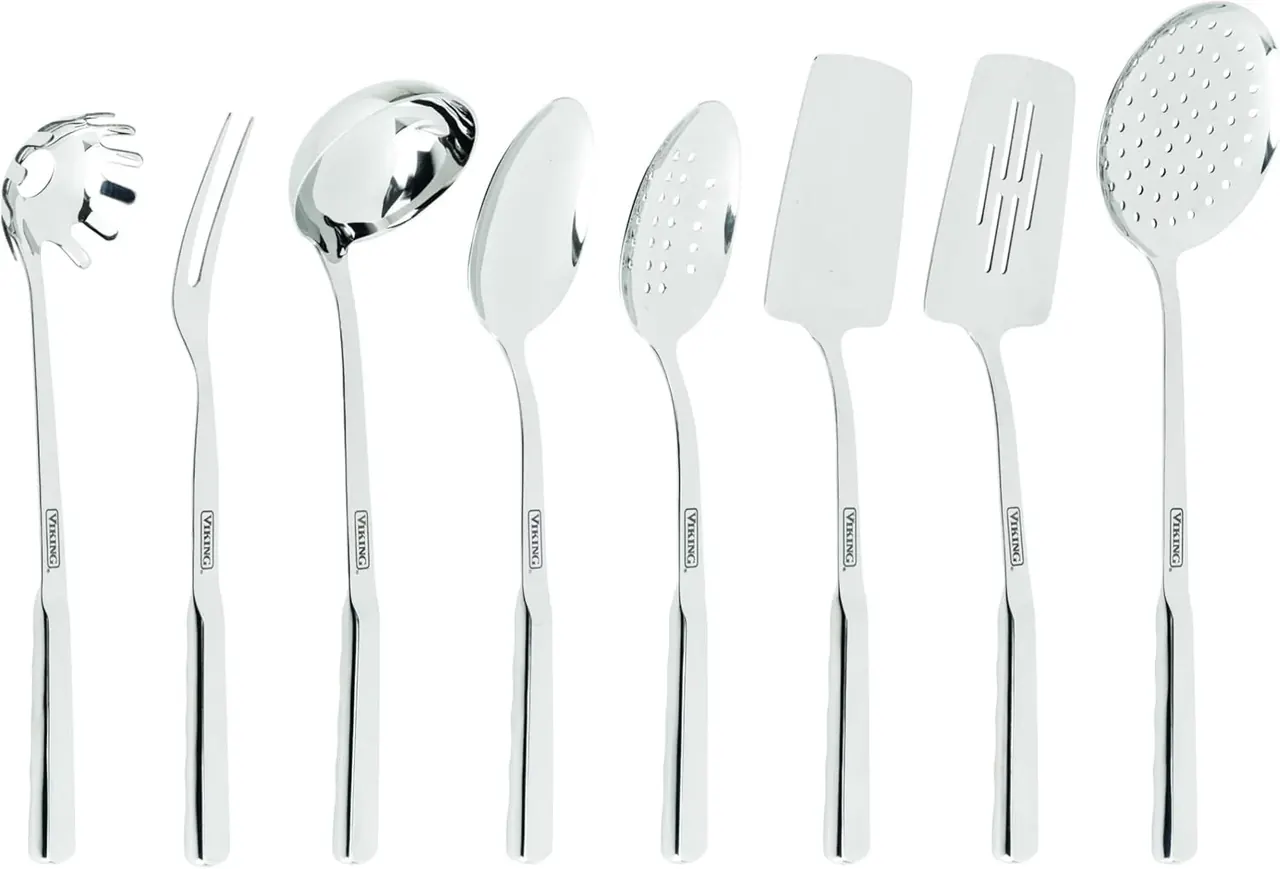
Our honest guide to best christmas gifts for parents who love cooking — what actually matters, what to skip, and how to choose well.
 Also Great
The best Christmas gifts for parents who love cooking are practical upgrades they will reach for every week: a dependable thermometer, a good cutting surface, sturdy prep bowls, smart storage, or a serving piece that makes family meals easier. I would skip novelty gadgets and choose something that fits the way they already cook, bake, host, and clean up. When a gift solves a small kitchen frustration, it tends to feel thoughtful long after the wrapping paper is gone.
I think the strongest kitchen gifts come from routine, not guesswork. A parent who cooks dinner most nights needs different help than one who spends weekends baking bread or loves setting a full holiday table. Before choosing anything, I look at what they make often, how much space they have, and what parts of cooking seem to slow them down.
For everyday meal makers, multipurpose tools usually make the most sense. A stable cutting board, instant-read thermometer, sturdy tongs, prep bowls, or a roomy pan accessory can support vegetables, proteins, grains, and sauces without asking them to learn a new technique. These are the kinds of gifts that slip into normal life quietly.
For bakers, accuracy and capacity matter more. A digital scale, straight-sided mixing bowls, cooling racks, dough scrapers, and clearly marked measuring tools are often more useful than decorative bakeware. If they mostly bake cookies, portioning and decorating tools may be more helpful than equipment meant for bread.
For parents who host, I like gifts that move from kitchen to table without fuss. Serving spoons, platters, trivets, carafes, and practical storage for make-ahead dishes can be more useful than adding another piece of cookware. That general idea shows up in curated collections of practical cooking gifts for parents, and it holds up well: hosting is usually easier when serving and cleanup are better organized.
A cutting board is one of my favorite gift categories because it gets used constantly when it is chosen well. Wood and bamboo are gentler on knife edges and comfortable for long prep sessions. They also look at home on the counter, which makes them easy to keep within reach.
The tradeoff is care. Wooden and bamboo boards are usually hand-wash items, and they need to be dried well. If the surface starts to look dry, a food-safe conditioner helps keep it from feeling rough. A common mistake is treating them like indestructible utility pieces, then letting deep grooves build up over time.
Composite boards are often thinner, lighter, and easier to sanitize. For parents who want low fuss and easy storage, that can be a better match. The downside is that some feel harder under the knife and may be less pleasant for heavy prep. I would choose based on their cleanup habits first. If they dislike hand-washing anything, a high-maintenance board may not be the right gift.
Stainless steel is one of the safest gift materials because it is durable, versatile, and usually easy to clean. It works especially well for mixing bowls, prep tools, utensils, and many cookware pieces. It resists rust and generally handles regular kitchen use without much babysitting.
Still, not all stainless pieces behave the same way. In cookware, construction matters because heat distribution can vary. For prep and storage tools, I mainly pay attention to shape, weight, and whether the item is easy to grip and wash.
Carbon steel can also be a smart gift, but only for the right person. It is valued for its responsiveness and the seasoned surface it develops over time. The catch is that it needs prompt drying and occasional light oiling, and it is not ideal for someone who wants zero-maintenance cookware. One common mistake is gifting carbon steel to a busy cook who prefers to put everything in the sink and deal with it later. For some parents, that care routine feels satisfying. For others, it becomes a burden.
Cast iron and enameled cookware make good gifts for parents who braise, bake, roast, or sear often, but I think they are only smart choices if weight and care are realistic. Traditional cast iron holds heat beautifully and can last a long time, but it is heavy and needs to be dried thoroughly. It also benefits from seasoning care, which not everyone enjoys.
Enameled pieces offer some of the same heat retention without the same exposed-iron maintenance. That makes them more approachable for many home cooks. Even so, enamel is not carefree. It should be protected from sudden temperature swings and rough metal scraping.
The usual mistake here is focusing on romance instead of routine. Heavy cookware sounds generous, but if your parents avoid lifting large pots or already have limited storage, a simpler kitchen gift may be much more useful.
These materials are especially helpful for parents who bake, prep ahead, or like to bring food straight to the table. Glass storage and bakeware are practical because the contents are visible, which makes leftovers and make-ahead dishes easier to manage. I still would not assume every glass piece can handle quick temperature changes; checking the maker’s guidance matters.
Ceramic bakeware is appealing because it holds heat well and looks nice on the table. It works well for casseroles, baked desserts, and holiday side dishes. The main caution is chipping, especially when pieces are stacked carelessly or stored too tightly.
Silicone can be genuinely helpful in baking because it releases food easily and stores compactly. But quality varies a lot. A floppy, unstable piece is often more frustrating than useful, especially when handling batter. I look for gifts in this category only when the shape feels supportive and easy to manage.
If I wanted a short list of reliable gift ideas for cooking parents, I would stay close to the basics they use several times a week. Prep bowls, bench scrapers, measuring tools, kitchen shears, a peeler, a zester, a timer, and sturdy spatulas all earn their place when chosen carefully.
Bertolli Cooking Olive Oil
Shop at Amazon →A dependable thermometer is one of the most practical gifts in any kitchen. It helps with meat, baking, candy-making, frying, and even reheating leftovers with more confidence. It is the kind of tool that reduces second-guessing.
Storage is another category that rarely feels flashy but often feels appreciated. Uniform containers with secure lids make leftovers easier to stack, label, and reheat. For parents who batch-cook, wide containers can be more convenient than very deep ones. The mistake I see most often is buying storage without thinking about nesting, lid organization, or how it fits in the fridge.
If you want the gift to feel a little more personal, pairing a practical kitchen item with something edible works well. A homemade spice blend, cookies, preserves, or biscotti can add warmth without creating clutter, and collections of homemade holiday food gifts are full of ideas that suit that approach.
For bakers, I would focus on consistency and cleanup. A scale, sturdy whisk, rolling pin, pastry brush, dough scraper, mixing bowls with enough capacity, and cooling racks all support regular baking without taking over the kitchen. It helps to match the tool to the kind of baking they actually do. Bread bakers need different support than someone who makes bars, layer cakes, or decorated cookies.
A personalized recipe journal can also be a thoughtful add-on, especially for families with strong holiday traditions. I like this best when it accompanies a useful tool rather than replacing one. Handmade and custom-style family cooking gift ideas can work nicely here because they connect the gift to real meals and memories.
For hosts, I think about stress points: where hot dishes land, how serving works, and what happens to leftovers. Trivets, serving utensils, platters, carafes, washable napkins, and extra spoons often do more to improve a gathering than decorative pieces. The best hosting gifts help the meal flow better and still make sense on an ordinary Sunday dinner.
The best gifts are useful tools they will reach for often, like a thermometer, cutting board, mixing bowls, serving pieces, or storage containers. I would choose based on their routine, storage space, and the equipment they already use.
I would look for a thoughtful upgrade to a task they do all the time, or pair a practical item with something personal like a handwritten recipe, family spice blend, or homemade treat. Edible gifts can feel special without adding permanent clutter.
Prep bowls, measuring tools, timers, tongs, shears, storage containers, trivets, and cookware-care basics are all practical choices. The best ones are simple to clean, easy to store, and useful across many meals.
Serving utensils, platters, trivets, carafes, and leftover-friendly storage are all helpful. I would focus on items that reduce last-minute scrambling and work beyond the holiday season.
The right Christmas gift for cooking parents is usually not the fanciest one. It is the one that fits their habits, their kitchen, and the meals they love making most.
If you keep usefulness first and add a personal touch second, your gift is far more likely to become part of their everyday table.

Paige Gilmore
Founder of Stripes & Willows — recipe creator, food photographer and stylist. Every guide is written to make honest, useful kitchen decisions easier.
More about Stripes & Willows →This page contains affiliate links. If you buy through them, Stripes & Willows may earn a commission at no extra cost to you — it never affects what we recommend.