Guide
Best Christmas Gifts For Pizza Makers
Our honest guide to best christmas gifts for pizza makers — what actually matters, what to skip, and how to choose well.
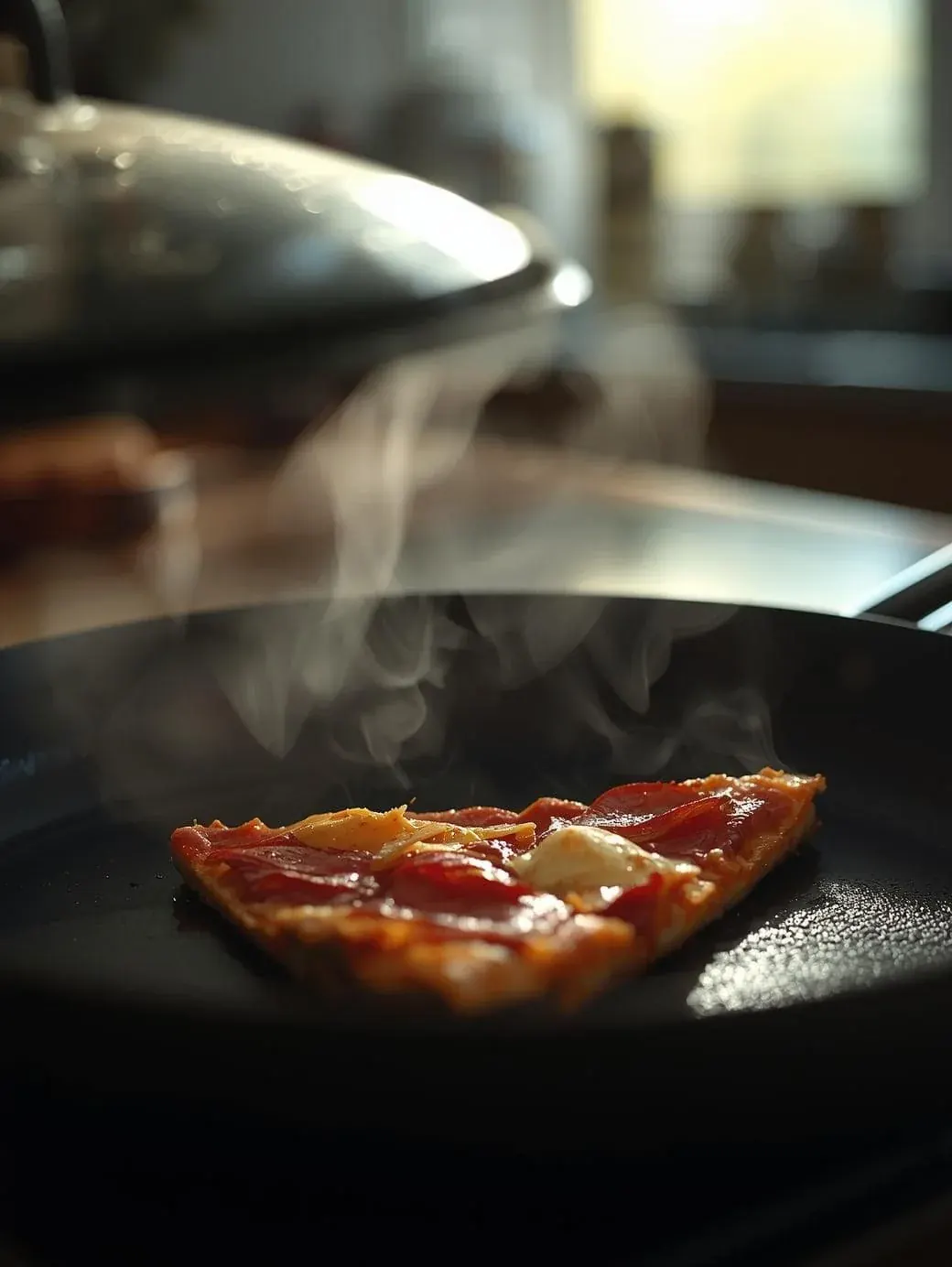
Our honest guide to best christmas gifts for pizza makers — what actually matters, what to skip, and how to choose well.
 Best Overall
 Also Great
The best Christmas gifts for pizza makers are the ones that make their actual pizza routine easier: a baking steel for stronger bottom heat, a good peel for smoother launches, a scale and proofing tools for better dough, or an oven that fits their space and cooking style. I’d choose the gift by looking at where they cook, what kind of crust they like, how many pizzas they make at once, and how much setup and cleanup they’ll realistically tolerate.
I always start here. A thoughtful pizza gift is less about drama and more about removing friction. Someone making quick family dinners usually benefits from simple, predictable equipment. Someone who already obsesses over dough may get much more use from fermentation tools, a steel, or a precise scale than from another large appliance.
Fred & Friends Genuine Fred PIZZA BOSS 3000, Circular Saw Stainless Steel Pizza Wheel, Great Gift for Guys and Pizza Lov
Shop at Amazon →For weeknight pizza families, indoor options and practical accessories tend to make sense. A larger peel, stackable dough containers, a bench scraper, and a thermometer can smooth out the whole process. For serious dough makers, I’d look at gifts that improve consistency: proofing containers, dough trays, a steel, or a durable turning tool. This pizza gift roundup from Serious Eats reflects that same practical split between ovens and the tools people reach for every time they bake.
If the recipient loves outdoor cooking, fuel-fired gear and safety-minded accessories can be a better fit. That might mean heatproof gloves, a long-handled peel, a weather cover, or maintenance tools that suit the oven they already use. For a small kitchen or apartment, I’d be careful with footprint. A compact thermometer, folding peel, removable baking surface, or dough kit can be far more useful than something that needs permanent counter space.
Not every pizza setup solves the same problem. The cooking method changes the crust, the pace, and the amount of attention required.
Countertop electric pizza makers work best for cooks who want indoor convenience and repeatable results. They’re practical for regular use, but they still need enough clearance, a suitable outlet, and room to cool safely. I’d pay attention to how the heating works and how easy the cooking surface is to clean.
Outdoor fuel-fired ovens are a different kind of gift. They can produce intense top heat and quick browning, but they also ask more from the cook: fuel management, weather awareness, storage, and fire safety. Gas is generally simpler to control, while wood and charcoal add more hands-on work. This pizza oven safety guide is a good reminder that placement, clearance, and supervision matter as much as heat output.
Then there’s the simpler route: a stone or steel used in a conventional oven. For many home cooks, this is the most useful gift of all. It improves pizza night without adding another appliance, and it suits people who already enjoy making dough but want a better crust.
A cordierite stone is a strong gift for someone who likes a dry, firm base and already bakes pizza in a standard oven. Stone stores heat well and releases it more gradually than steel, which can be helpful for pizzas that need a little more time to cook through without the bottom racing ahead.
I think stone makes the most sense for bakers who prefer a more forgiving surface and don’t need aggressive bottom browning. It can suit everyday homemade pizza especially well, including slightly thicker crusts or pies with a bit more topping.
Care matters here. Stone can crack from thermal shock, so I would never move a hot stone onto a cold or wet surface. It’s also best cleaned simply, once cool, with scraping or dry brushing rather than soaking. Because the material is porous, the manufacturer’s care guidance matters. In general, stone rewards patience: a full preheat, gentle handling, and dry storage.
If I were buying for someone chasing better browning and stronger oven performance, I’d look hard at a steel. Steel conducts heat more aggressively than stone, which usually means a darker, crisper underside and better recovery between pizzas.
That recovery matters for batch cooking. If the recipient makes several pizzas in a row for friends or family, steel can be especially useful because it tends to regain heat faster after each bake. It also helps in ovens that struggle to deliver enough energy to the bottom of the crust.
The tradeoff is weight and maintenance. Steel is heavy, stays hot for a long time, and needs to be kept dry to avoid rust if it’s uncoated. Once cool, it should be brushed clean and dried thoroughly. If the maker permits it, a very light film of oil can help protect the surface. A steel is practical, durable, and not flashy, which is part of why it makes such a good gift.
Accessories are often the smartest choice, especially if the cook already has some kind of oven. A launching peel helps with the part that frustrates most beginners: getting the shaped dough into the oven cleanly. A thin metal peel is helpful for retrieving and turning, while a smaller round turning tool can be useful in tighter, hotter ovens.
An infrared thermometer is one of the most practical pizza gifts I can think of. Air temperature doesn’t always tell you what the baking surface is doing, and that gap is often the reason a pizza comes out pale underneath or scorched at the edges. Knowing the surface temperature makes preheating far less guessy.
Dough tools are just as useful. A digital scale improves consistency more than almost anything else. Add a bench scraper, proofing container, and dough tray that fits the refrigerator, and suddenly the whole process gets easier and neater. I’d rather give a small group of tools that solve real problems than a novelty item that lives in a drawer.
This is the part people skip, and it’s often the difference between a gift that gets used and one that becomes a storage problem. Countertop appliances need more than just their own footprint. They need door or lid clearance, ventilation room, and a safe landing spot for hot tools. Heavy stones and steels need secure storage too.
Ventilation matters indoors because flour, cheese, and oil can create smoke quickly. Outdoors, placement matters even more. Fuel-fired ovens should be used only in appropriate open-air conditions and with proper clearance from combustible surfaces. This installation checklist is useful for thinking through space, airflow, flooring, and electrical access before giving any larger pizza appliance.
I’d also check the electrical load for indoor equipment and make sure the outlet is actually practical for where it will be used. Extension cords are not something I’d assume are fine. For outdoor setups, dry fuel storage, wind conditions, and cool-down time before covering all matter.
Cleanup is part of the gift too. Burnt flour should be brushed away only after the surface cools. Grease should be handled according to the maker’s instructions, especially on coated or removable parts. I’d avoid anything that seems fussy to maintain unless the recipient genuinely enjoys the ritual.
A pizza gift feels more generous when it’s usable right away. I like the idea of pairing the main gift with a simple dough plan, a dough scraper, and a few ingredients that make sense for the recipient’s diet and storage space. Flour, yeast, salt, sauce, and a finishing oil can be enough.
Gift Republic Vinyl Pizza Cutter - Retro Record-Inspired Wheel Blade in Presentation Box - Fun Pizza Slicer for Music &
Shop at Amazon →It also helps to keep the first bake simple. One lightly topped pizza, one familiar favorite, and one experiment is plenty. The most common mistakes are predictable: dough that’s too wet, too many toppings, not enough preheating, and letting assembled dough sit too long on the peel until it sticks. A small amount of guidance goes a long way.
If you want the gift to feel personal without adding more equipment, you can also give an experience: a pizza night invitation, a class, or a recipe card set built around the style they like making most.
A good gift improves the setup they already have. That could be a baking steel, a quality peel, an infrared thermometer, a digital scale, or proofing containers. If they don’t have a suitable oven yet, I’d think about space, ventilation, and preferred crust style before choosing an appliance.
I’d keep it practical: flour, yeast, salt, sauce, a dough scraper, and a clear recipe card. A scale or thermometer adds lasting value. If you include perishable toppings, it helps to keep the selection focused and suited to the recipient’s preferences.
Fermentation tools, a serving board sized for their counter, regional ingredients, or a pizza-making class can all feel distinctive without creating clutter. The best unique gift still supports how they already cook.
Larger gifts are worth it when they solve a real need and fit the space. That might mean a high-heat outdoor oven, a substantial steel, or a professional-style peel and dough setup. I’d look closely at storage, serviceability, safety, and cleanup before spending more.
The best Christmas gifts for pizza makers are practical, specific, and matched to the cook rather than the trend. If you focus on cooking style, space, and the parts of pizza night that feel awkward now, you’ll land on a gift that gets used well past the holidays.

Paige Gilmore
Founder of Stripes & Willows — recipe creator, food photographer and stylist. Every guide is written to make honest, useful kitchen decisions easier.
More about Stripes & Willows →This page contains affiliate links. If you buy through them, Stripes & Willows may earn a commission at no extra cost to you — it never affects what we recommend.