Guide
Best Christmas Gifts For Tea Lovers
Our honest guide to best christmas gifts for tea lovers — what actually matters, what to skip, and how to choose well.
Our honest guide to best christmas gifts for tea lovers — what actually matters, what to skip, and how to choose well.
Best Overall
The best Christmas gifts for tea lovers are the ones they will fold straight into their usual routine: a roomy infuser, a comfortable mug, a teapot that pours neatly, a good tea sampler, or a simple basket with one practical piece and one edible treat. I would skip novelty for its own sake and choose something that makes brewing easier, tastes better, or feels more pleasant to use on an ordinary Tuesday morning.
I always start here, because a thoughtful tea gift is less about the category and more about the habit. A person who drinks one strong mug before work needs something different from someone who measures loose leaf carefully on a quiet afternoon.
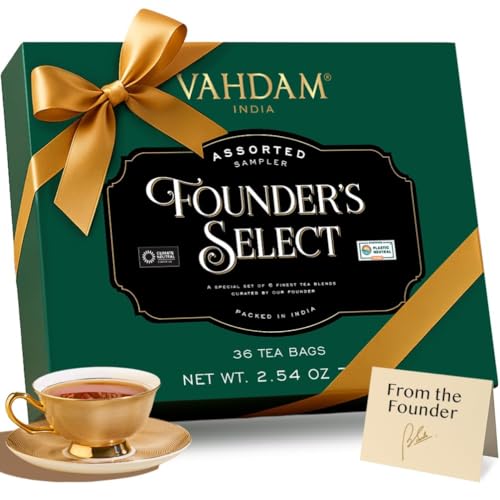
VAHDAM Tea Gift Set - 6 Flavors, 36 Individually Wrapped Pyramid Tea Bags | Assorted Tea Sampler Gift Box | Corporate, T
Shop at Amazon →For daily drinkers, I lean practical: a mug with a comfortable handle, an infuser that is easy to empty, an insulated cup for commuting, or a kettle that helps with temperature control. The details that matter most are capacity, balance, and easy cleanup.
For loose-leaf enthusiasts, control tends to matter more. A roomy basket infuser, fine mesh strainer, airtight storage, or a basic timer can all make sense. If I am unsure what teas they already love, I would rather give a sampler than a large amount of one specific style.
For beginners, simpler is better. A small assortment of clearly labeled teas, a sturdy mug, and one straightforward brewing tool feel inviting instead of overwhelming. I avoid gear that requires too many decisions unless they have already shown real interest.
The most useful tea gifts fix everyday frustrations: water that runs too hot, leaves that escape into the cup, awkward pouring, or gear that is annoying to wash. That is why practical gift roundups like Food & Wine’s tea guide keep returning to kettles, mugs, teapots, and infusers. These are the pieces that shape the drink itself.
Temperature control can make a real difference, especially for people who drink more than basic black tea. Green and white teas often benefit from cooler water, while black teas and many herbal infusions can handle hotter brewing. A kettle with adjustable settings or a reliable timer can help someone get more consistent results without making the process fussy.
Infusers deserve more attention than they usually get. A roomy basket style generally works better than a small novelty ball because the leaves have space to open. Fine mesh helps keep smaller particles out of the cup, and a design that rinses clean quickly is worth more than an intricate shape.
Teapots and serving pieces should earn their shelf space. I look for a practical capacity, a lid that sits securely, and a spout that does not dribble down the side. A pretty pot that pours badly tends to become decoration.
If I am putting together a tea gift set, I keep it focused. “Morning tea,” “desk tea,” “afternoon break,” or “loose-leaf starter kit” gives the whole present a clear purpose and keeps it from turning into random themed clutter.
A balanced gift usually needs only a few parts:
That could mean a mug, a sampler, and shortbread. Or a teapot, a black tea, an herbal tea, and a jar of honey. Seasonal guides from tea-focused publishers, including Tea Unboxed, often use this same formula because it feels complete without being excessive.
I also like including a short note with simple steeping guidance, especially if the teas are unfamiliar. That is often more helpful than elaborate packaging.
Consumable gifts are one of the easiest ways to make a tea present feel personal without adding permanent clutter. They are especially good for someone who already has plenty of mugs and brewing gear.
Buttery shortbread and plain biscuits work well with black tea. Lightly spiced cookies make sense with chai-style blends or stronger breakfast teas. If the recipient drinks green, white, or floral teas, I would keep the pairing gentler so the food does not overpower the cup.
Honey, marmalade, crystallized ginger, dried fruit, and simple sugars can all work, but I treat them as accents rather than assumptions. Not every tea drinker sweetens their tea, and strong aromas should be packed separately so they do not transfer into loose leaves during storage.
If you are making something homemade, clear labeling matters. An ingredient list and basic storage instructions make the gift feel considered and easy to use.
Ceramic and porcelain are the easiest materials to give for everyday tea use. They are versatile, generally simple to clean, and well suited to mugs and teapots that need to work hard without much fuss.

Xtrema Pure Ceramic Cookware Retro Tea Kettle
Shop at Xtrema Cookware →Porcelain often feels lighter and a bit more refined. Ceramic usually feels thicker and more casual. Neither is automatically better; it depends on the recipient’s taste and how they use it. For a daily mug or a practical teapot, both can be strong choices.
I would pay attention to the handle shape, the balance when full, and the finish inside the vessel. Smooth interiors are usually simpler to clean and less likely to hang onto old stains or odors.
Glass can be lovely for tea because it lets the recipient see the color of the infusion and the leaves opening up. That makes it especially appealing for floral teas, green teas, and loose-leaf gifts meant to feel a little more visual.
The tradeoff is that glass shows fingerprints, can feel less forgiving in a busy kitchen, and does not always suit someone who tends to knock things around the sink. I would think of it as best for a careful tea drinker who enjoys the process as much as the finished cup.
Care matters here too. Sudden temperature shifts are not ideal, and gentle washing helps keep the surface looking clear rather than cloudy.
Cast iron retains heat well and has a substantial, classic feel, but it is not the easiest gift unless you know the recipient wants that style. It usually needs more careful drying, and it is not wise to assume that every piece can be treated like ordinary dishwasher-safe cookware.
I would also be cautious with porous or unglazed tea ware unless the person already enjoys specialized brewing. Some materials can retain aroma and flavor over time, which can be a benefit in the right hands and a nuisance in the wrong ones.
In general, the more maintenance a material requires, the more certain I want to be that the recipient will appreciate that tradeoff.
Tea gifts are nicest when they are easy to keep in good condition. That means looking beyond appearance and thinking about what happens after the second or third use.
Infusers should be easy to empty. Teapots should not have tight crevices that trap wet leaves. Lids should come off easily for washing. Narrow decorative openings can look charming but make cleanup irritating.
For tea storage, airtight containers help protect flavor from light, moisture, heat, and kitchen odors. Loose tea stored near the stove or spice cabinet can lose freshness faster than people expect. If a gift includes several teas, adding labels or a simple note can make the set easier to use.
Routine care is usually uncomplicated: empty the leaves promptly, rinse soon after use, wash gently, and let everything dry fully before putting it away. That small bit of practicality often matters more than any decorative detail.
The biggest mistake is buying for an imagined tea lover instead of the real person. I would not give a huge tin of smoky, floral, or strongly spiced tea unless I already knew they liked it. Tea preferences can be surprisingly specific.
Another common miss is ignoring capacity. A tiny infuser is frustrating for someone who brews a large mug, and an oversized teapot is not much use to a solo drinker who wants one hot cup at a time.
Cleanup is the other thing people forget. Novelty accessories often look festive but can drip, trap leaves, or take too long to wash. A simple, well-designed piece usually gets used far more often.
If I am choosing between unusual and dependable, I almost always pick dependable. A tea gift becomes more personal when it fits into daily life.
Good options include a comfortable mug, a roomy infuser, a teapot with a removable strainer, a tea sampler, airtight storage, or a small tea-and-treat basket. The right choice depends on how the recipient already drinks tea.
I would include two or three teas, one practical brewing accessory, and one edible pairing such as shortbread, honey, ginger, or marmalade. Keeping the basket focused makes it more useful and less cluttered.
Yes, if the mug has a practical size, a comfortable handle, and a brewing method that actually works with it. A mug paired with tea and a usable infuser is a simple gift that makes sense for many people.
The most useful accessories are usually a basket infuser, fine-mesh strainer, timer, adjustable-temperature kettle, and airtight tea storage. For loose-leaf drinkers, easy cleanup matters just as much as appearance.
Finely made porcelain, a well-shaped teapot, thoughtfully sourced loose-leaf tea, or a well-constructed tea chest can all feel luxurious. I would judge quality by materials, craftsmanship, and ease of use rather than ornate packaging alone.
The best Christmas gifts for tea lovers are practical, well matched to their habits, and easy to care for. A simple gift that improves the daily cup will usually be more welcome than anything overly themed, fragile, or hard to clean.

Paige Gilmore
Founder of Stripes & Willows — recipe creator, food photographer and stylist. Every guide is written to make honest, useful kitchen decisions easier.
More about Stripes & Willows →This page contains affiliate links. If you buy through them, Stripes & Willows may earn a commission at no extra cost to you — it never affects what we recommend.