Guide
Best Cookware To Give As Christmas Gifts
Our honest guide to best cookware to give as christmas gifts — what actually matters, what to skip, and how to choose well.
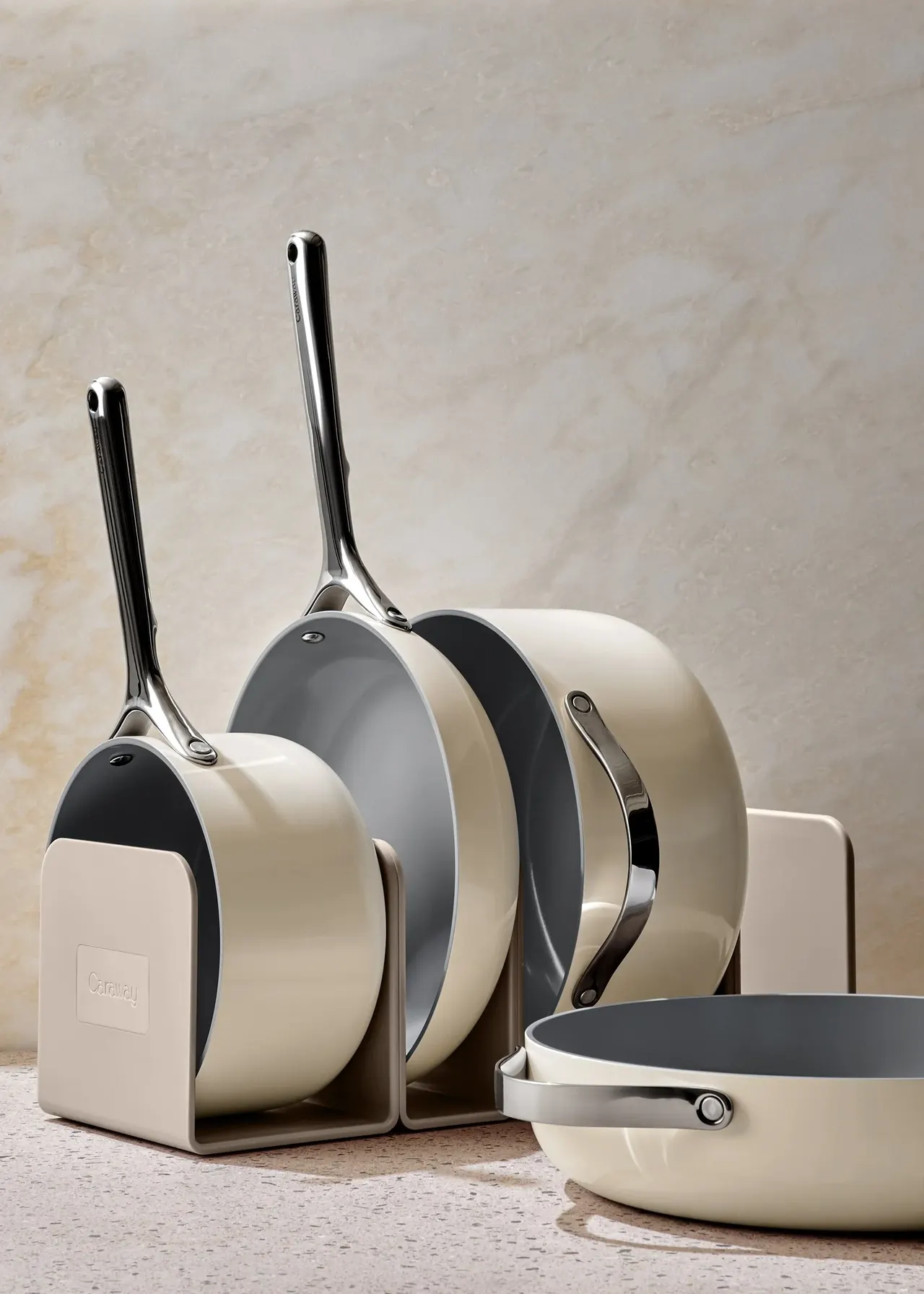
Our honest guide to best cookware to give as christmas gifts — what actually matters, what to skip, and how to choose well.
 Amazon
The best cookware to give as Christmas gifts is usually one genuinely useful piece, not a big matching set. I’d start with how the person actually cooks, then choose a material and shape that fits their meals, kitchen space, cooktop, and patience for upkeep. A good gift here feels practical right away: a skillet for everyday dinners, a saucepan for small staples, or a Dutch oven for soups, braises, and batch cooking.
Cookware is personal in a way that people often overlook. A beautiful pan can still end up pushed to the back of a cabinet if it is too heavy, too fussy, or simply wrong for the kind of food someone makes on a Tuesday night.

COFFEE MASTERS The 12 Coffees of Christmas Gift Set
Shop at Amazon →I think first about real habits. Someone who cooks eggs, vegetables, and quick one-pan meals will get more use from a good frying pan than a stockpot. Someone who makes soups, beans, pasta sauces, or big weekend meals may be better served by a deeper pot or Dutch oven. If storage is tight, one versatile piece is almost always smarter than a collection with duplicates.
Cooktop compatibility matters too. Induction requires magnetic cookware, so it is worth confirming that before buying. If I’m unsure, I lean toward cookware clearly labeled induction-ready with a flat, stable base. For general holiday inspiration, seasonal cookware collections can be helpful for seeing which categories tend to make sense as gifts, but the recipient’s routine matters more than presentation.
If I had to choose the safest all-around cookware gift for a confident home cook, stainless steel would be near the top of the list. It handles high heat well, works for browning, sautéing, pan sauces, and acidic ingredients, and usually moves comfortably from stovetop to oven when the full piece is rated for it.

Nouvelle Stainless 10-Piece Cookware Set
Shop at Anolon →The main caveat is that stainless steel is not naturally slick. Food can stick when the pan is not properly preheated or when the heat is too aggressive. That does not make it difficult cookware, but it does reward a little technique. For someone who enjoys cooking and wants one pan to do a lot of jobs well, that tradeoff often makes sense.
Construction matters here. Clad cookware, which layers metals for better heat performance, generally cooks more evenly than a thin single-layer pan. A useful overview from this cookware materials guide explains why the metal inside the pan matters just as much as the surface you see.
Cast iron makes a very good Christmas gift for the cook who likes strong browning, cornbread, roasted vegetables, or stovetop-to-oven recipes. Its real strength is heat retention. Once hot, it stays hot, which helps when food would otherwise cool the pan too quickly.
The downside is weight and maintenance. Bare cast iron needs seasoning, prompt drying, and a bit more attention after washing. It can also react with long-cooked acidic dishes. I would not give it to someone who wants effortless cleanup or struggles with heavy cookware.
Enameled cast iron is easier to live with because it skips the regular seasoning routine, though it is still heavy. It suits cooks who want that steady, slow heat for stews and braises without learning the habits of bare iron.
Carbon steel sits in an appealing middle ground. It has some of the searing strength of cast iron but is often lighter and more responsive to heat changes. That makes it a smart gift for someone who likes fast, hot cooking and wants a pan that develops a naturally slick surface over time.
It is not maintenance-free, though. Carbon steel needs drying after washing, a light film of oil, and sensible handling to protect its seasoning. Its color changes with use, which is normal. I think it works best as a gift for a recipient who already enjoys cooking enough to appreciate a pan that improves with regular use.
For a newer cook or someone who values easy cleanup above all else, nonstick is often the most appreciated option. It helps with eggs, pancakes, fish, and anything delicate that tends to tear or cling. It can also make cooking feel less frustrating for someone still building confidence.
The tradeoff is lifespan. Nonstick coatings wear out eventually, so I see this as practical cookware rather than heirloom cookware. It also needs gentler treatment: moderate heat, non-abrasive tools, and cleaning that follows the maker’s care instructions.
As a gift, nonstick makes the most sense when simplicity is the point. If the recipient wants one pan that takes the stress out of quick meals, this is often the right call.
Copper is less of a universal gift and more of a niche one. It responds quickly to heat changes, which can be wonderful for precise cooking, but it may need more cosmetic upkeep and often comes with material-specific care expectations. I would only go this route when I know the recipient enjoys that level of specialization.
Clad cookware is easier to recommend broadly. It combines metals to improve heat distribution and responsiveness while keeping a durable cooking surface. For someone who cooks often and appreciates good construction, a well-made clad pan can feel thoughtful without becoming fussy.
Even the right material can be disappointing in the wrong shape. Piece type is where cookware gifts become truly useful.
Frying pan: best for eggs, vegetables, cutlets, quick dinners, and general stovetop cooking.
Sauté pan: better for dishes with more liquid, straighter sides, pan sauces, grains, and shallow braises.
Saucepan: a strong choice for oatmeal, rice, reheating soup, small sauces, and everyday kitchen basics.
Stockpot: useful for broth, pasta, and big-batch cooking, but only if the kitchen has room for it.
Dutch oven: one of the most versatile gifts for cooks who make soups, stews, beans, braises, or bread.
Roasting pan or specialty shape: only worth it when you know it matches a real habit, not just a holiday fantasy.
If I’m undecided, I’d rather give one excellent medium-size everyday piece than a niche pan that only comes out twice a year.
A cookware gift should work hard, not just look nice in wrapping paper. I pay attention to a few practical details first.
Weight and balance: heavy enough to feel substantial, but not so heavy that it becomes awkward when full.
Handle comfort: secure, easy to grip, and sensible with an oven mitt.
Base stability: a flat base helps with even heating and reduces the chance of rocking on the cooktop.
Lid fit: especially important on saucepans, Dutch ovens, and sauté pans.
Oven safety: always worth verifying instead of assuming.
Induction readiness: essential if the recipient cooks on induction.
I also think about storage. A large, heavy pot can be generous in theory and annoying in practice if it does not fit under the counter or in the sink.
The most common mistake is buying a set when one piece would do the job better. Sets often come with duplicate sizes or pans that rarely get used. A single thoughtful piece usually feels more personal and far more helpful.
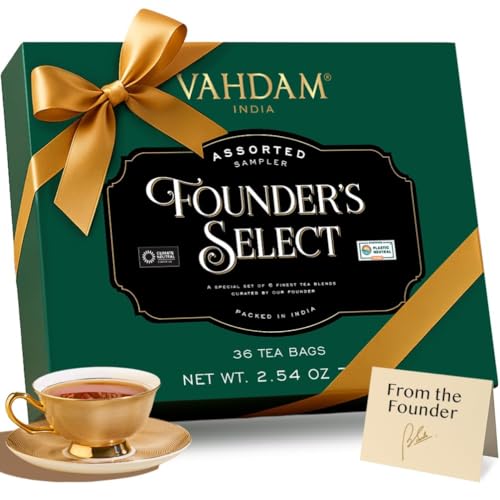
VAHDAM Tea Gift Set - 6 Flavors, 36 Individually Wrapped Pyramid Tea Bags | Assorted Tea Sampler Gift Box | Corporate, T
Shop at Amazon →The second mistake is ignoring what the person already owns. If their kitchen already has two skillets and a Dutch oven, another one may just add clutter. This is especially true in small kitchens, where every item has to earn its space.
The third mistake is overlooking care requirements. Bare cast iron and carbon steel need seasoning habits. Nonstick needs gentler treatment. Some cookware asks more of the cook than others, and it is better to be honest about that from the start.
Finally, appearance should never outrank performance. A festive color is pleasant, but a warped base, uncomfortable handle, or poor heat distribution will matter far more after the holidays are over.
I think cookware gifts are better when they come with a short note on how to use them well. It does not need to be elaborate. A few lines about heat level, utensils, cleaning, and oven limits can prevent a lot of early frustration.
For bare cast iron or carbon steel, mention drying thoroughly and maintaining seasoning. For nonstick, note moderate heat and gentler utensils. For stainless steel, a reminder about preheating and letting food release naturally can make the pan feel easier from day one.
When in doubt, I’d always point the recipient to the manufacturer’s care guidance, especially for coated cookware or anything with a stated oven limit.
The best ideas are usually a versatile skillet, a medium saucepan, or a Dutch oven, depending on how the person cooks. I’d choose a piece that fills an obvious gap rather than a large set that may duplicate what they already have.
Beginners usually do well with forgiving, low-maintenance cookware. A good nonstick pan or an easy-to-manage stainless steel saucepan tends to be more useful than a material that needs seasoning or specialized care.
Only if you keep it simple. A practical everyday piece or a compact accessory is safer than a heavy specialty pan. If you are unsure about their stove type, storage, or existing collection, avoid anything bulky or highly specific.
I’d usually choose a single pan. One well-chosen piece is easier to match to the recipient’s habits, space, and cooktop, and it is less likely to create clutter.
The best cookware Christmas gifts are useful, durable, and realistic about how someone actually cooks. If you match the material and shape to the person instead of the packaging, your gift is much more likely to become part of their regular kitchen life.

Paige Gilmore
Founder of Stripes & Willows — recipe creator, food photographer and stylist. Every guide is written to make honest, useful kitchen decisions easier.
More about Stripes & Willows →This page contains affiliate links. If you buy through them, Stripes & Willows may earn a commission at no extra cost to you — it never affects what we recommend.