Guide
Best Frying Pans To Give As Christmas Gifts
Our honest guide to best frying pans to give as christmas gifts — what actually matters, what to skip, and how to choose well.
Our honest guide to best frying pans to give as christmas gifts — what actually matters, what to skip, and how to choose well.
If I’m giving a frying pan as a Christmas gift, I start with a simple rule: match the pan to the person, not to the packaging. For most home cooks, a 10-inch frying pan is the safest, most useful size, and the best material depends on how they cook. Nonstick suits delicate, everyday foods and easy cleanup; stainless steel is my pick for versatility and high-heat cooking; cast iron and carbon steel make more sense for someone who enjoys searing and does not mind a little maintenance.
A good pan gets used several times a week. A badly matched one ends up shoved behind sheet pans in a lower cabinet. Before I choose anything, I think about four things equally: what they cook most, what kind of stove they use, how heavy a pan they can comfortably handle, and how much care they are realistically willing to give it.
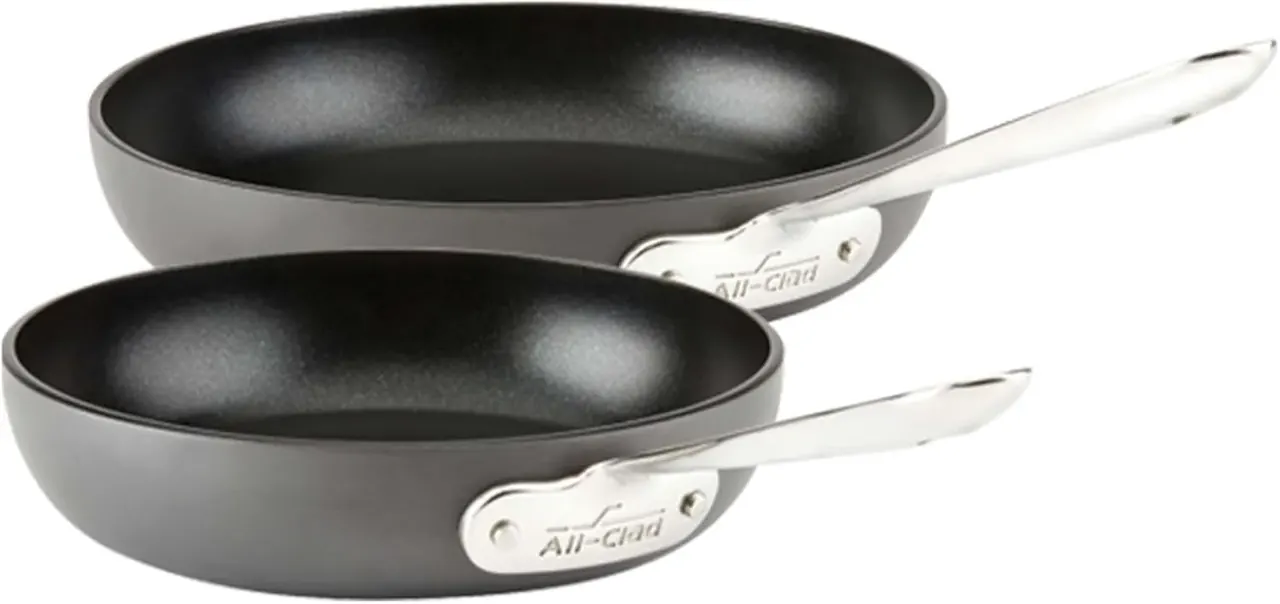
Nonstick is the easiest gift to get right for a cook who makes eggs, pancakes, fish, vegetables, and quick weeknight meals. It is especially helpful for beginners or anyone who values simple cleanup over hard searing power.
The trade-off is heat tolerance and lifespan. Nonstick coatings do best with low to medium heat, gentle utensils, and a little restraint. I would not choose it for someone who regularly cooks steak at high heat or likes to move a pan from burner to hot oven without checking limits first. General care advice from nonstick cookware guidance lines up with the same basics I always keep in mind: avoid overheating, avoid metal utensils unless specifically allowed, and do not treat the coating as permanent.
The most common first-use mistakes are simple: preheating an empty pan too long, turning the burner too high, and stacking the pan carelessly so the surface gets scratched. If I’m gifting nonstick, I like the idea of including a short note: use modest heat, wash gently, and expect the release to decline over time.
For size, 10 inches is usually the sweet spot. It feels roomy enough for breakfast and skillet dinners without being awkward to store.
If I need one material that covers the widest range of cooking, stainless steel is usually it. It browns well, handles acidic ingredients, works for pan sauces, and often transitions nicely between stovetop and oven. For someone who likes to cook rather than just reheat, this is often the most practical long-term gift.

AVACRAFT 10 Inch Tri-Ply 18/10 Stainless Steel Frying Pan with Lid
Shop at Amazon →What stainless steel does not do is hide sloppy heat management. Food sticks when the pan is too cool, too hot, too crowded, or disturbed too soon. That sounds fussy, but in practice it means a few habits matter: preheat gradually, add oil once the pan is ready, and let proteins release naturally before trying to turn them.
I also pay attention to construction. A well-built clad pan usually distributes heat more evenly than a pan with only a thin base plate under the center. Material guides such as this overview of frying pan materials are helpful for understanding why pans that look similar can behave very differently on the stove.
For gifting, stainless steel makes sense for cooks who brown chicken, sauté mushrooms, make pan sauces, or want one pan that can do a little of everything. It is less ideal for someone who mainly wants fuss-free eggs in the morning.
Cast iron is a great gift for the right person and an irritating one for the wrong person. Its strength is heat retention. Once hot, it stays hot, which makes it especially useful for steaks, cornbread, crisp-edged potatoes, and deep browning.

Lodge cast iron
Shop at Amazon →Its limitations are just as clear: it is heavy, slower to change temperature, and needs care. That does not mean it is difficult, but it does mean the recipient should be open to drying it promptly and maintaining its seasoning over time. I would not choose cast iron for someone who wants the easiest possible cleanup or who struggles with lifting heavier cookware.
When people have a frustrating start with cast iron, it is often because they leave it wet, use too much oil when trying to maintain seasoning, or cook a long acidic dish in a newer pan surface and end up with patchiness. Cast iron can be very durable, but it is happier with steady, basic care than with neglect followed by aggressive scrubbing.
Independent testing sources such as Consumer Reports’ frying pan coverage often separate cast iron from other materials for good reason: it performs beautifully in some jobs and poorly in others. As a gift, it is best for someone who wants that specific style of cooking.
Carbon steel sits somewhere between cast iron and stainless steel in everyday use. It can handle strong heat, develops a seasoned surface over time, and is often lighter and easier to maneuver than cast iron. For a cook who likes searing but does not want a very heavy skillet, it can be a smart middle ground.

Lodge Pre-Seasoned Cast Iron Skillet, Sugar Skull, 10.25 Inches
Shop at Amazon →It still asks for maintenance. Like cast iron, it should be dried thoroughly and protected from prolonged moisture. Acidic foods can be rough on a newer seasoning layer, and the surface usually gets better with repeated use rather than feeling perfect on day one.
I think carbon steel works best as a gift for someone who already understands seasoned cookware, or for a very interested cook who will not be put off by a short learning curve. It is less beginner-friendly than nonstick and less forgiving than stainless steel in terms of care.
Size matters more than people think. An 8-inch pan is useful for one or two eggs or very small portions. A 10-inch pan is the most broadly useful gift size for most kitchens. A 12-inch pan gives more room for browning and family meals, but it also needs a larger burner, more storage space, and a cook who does not mind the added bulk.
I also look beyond the listed diameter. Side shape changes how a pan behaves. Lower, sloped sides help with flipping and quick evaporation. Taller sides hold more food and make a frying pan more useful for saucy skillet dinners.
Weight matters too. A pan can cook beautifully and still be annoying if it feels awkward when full. If the recipient has a glass cooktop, flatness and stability matter even more, and lifting rather than dragging is the safer habit.
The most thoughtful pan in the world is not much use if it does not work in the recipient’s kitchen. I always check cooktop compatibility, especially for induction. A magnetic base is required, and a label from the manufacturer is more reliable than guessing from appearance alone. A general cookware compatibility guide is a useful reminder that “works on induction” and “works well on induction” are not always the same thing.
I also check oven safety carefully. Handle materials, lids, grips, and coatings can all lower the actual oven-safe temperature. If the person likes stovetop-to-oven cooking, this detail matters.
Then there is storage. A 12-inch skillet with a long handle can be a pain in a compact kitchen. I would rather give a pan that fits the kitchen than one that looks more dramatic in a box.
Handle comfort, balance, and interior shape all make a real difference in day-to-day use. Riveted handles are common and sturdy, though they create little spots that need more careful cleaning. Rivetless interiors are easier to wipe out. Neither is automatically better; I care more about secure attachment and a comfortable grip.
I also think a single great pan usually makes a better gift than a set. One well-chosen skillet is more useful than multiple pieces that duplicate each other or demand more storage than the cook has. If I’m adding anything, I keep it practical: brief care instructions or a simple first recipe that suits the material.
For most people, a 10-inch pan is the safest choice. From there, I would choose the material based on cooking style: nonstick for delicate everyday foods, stainless steel for versatility, cast iron for searing, and carbon steel for someone comfortable with seasoning and maintenance.
Yes, especially for cooks who want easy cleanup and make foods that tend to stick, like eggs or fish. The main thing is to be realistic about care: low to medium heat, gentle utensils, and the understanding that the coating will not last forever.
A 10-inch pan is the most useful all-purpose size for many kitchens. An 8-inch pan suits very small portions, and a 12-inch pan is best for larger meals if the cook has enough burner space and storage.
I choose nonstick for convenience and delicate foods, stainless steel for flexibility and better browning, and cast iron for strong heat retention and crust. If I’m not sure, stainless steel is often the most balanced gift for a serious home cook, while nonstick is the easiest gift for everyday use.
The best frying pan Christmas gift is the one that matches the cook’s habits, kitchen, and tolerance for maintenance. If you keep size, material, weight, and compatibility in balance, a frying pan can be one of the most useful gifts under the tree.

Paige Gilmore
Founder of Stripes & Willows — recipe creator, food photographer and stylist. Every guide is written to make honest, useful kitchen decisions easier.
More about Stripes & Willows →This page contains affiliate links. If you buy through them, Stripes & Willows may earn a commission at no extra cost to you — it never affects what we recommend.


