From This Page
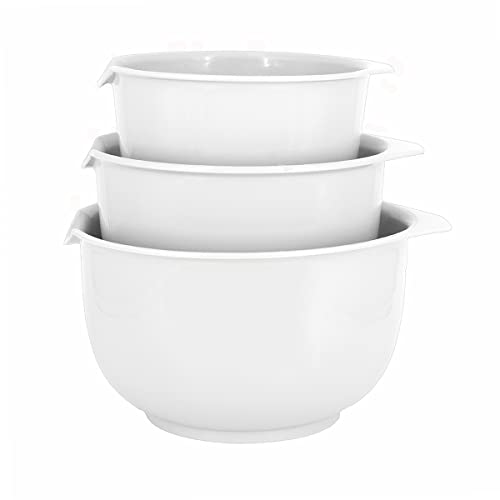 Best Value
Recommended by Stripes & Willows
 Best Value
Best Value
Best Value
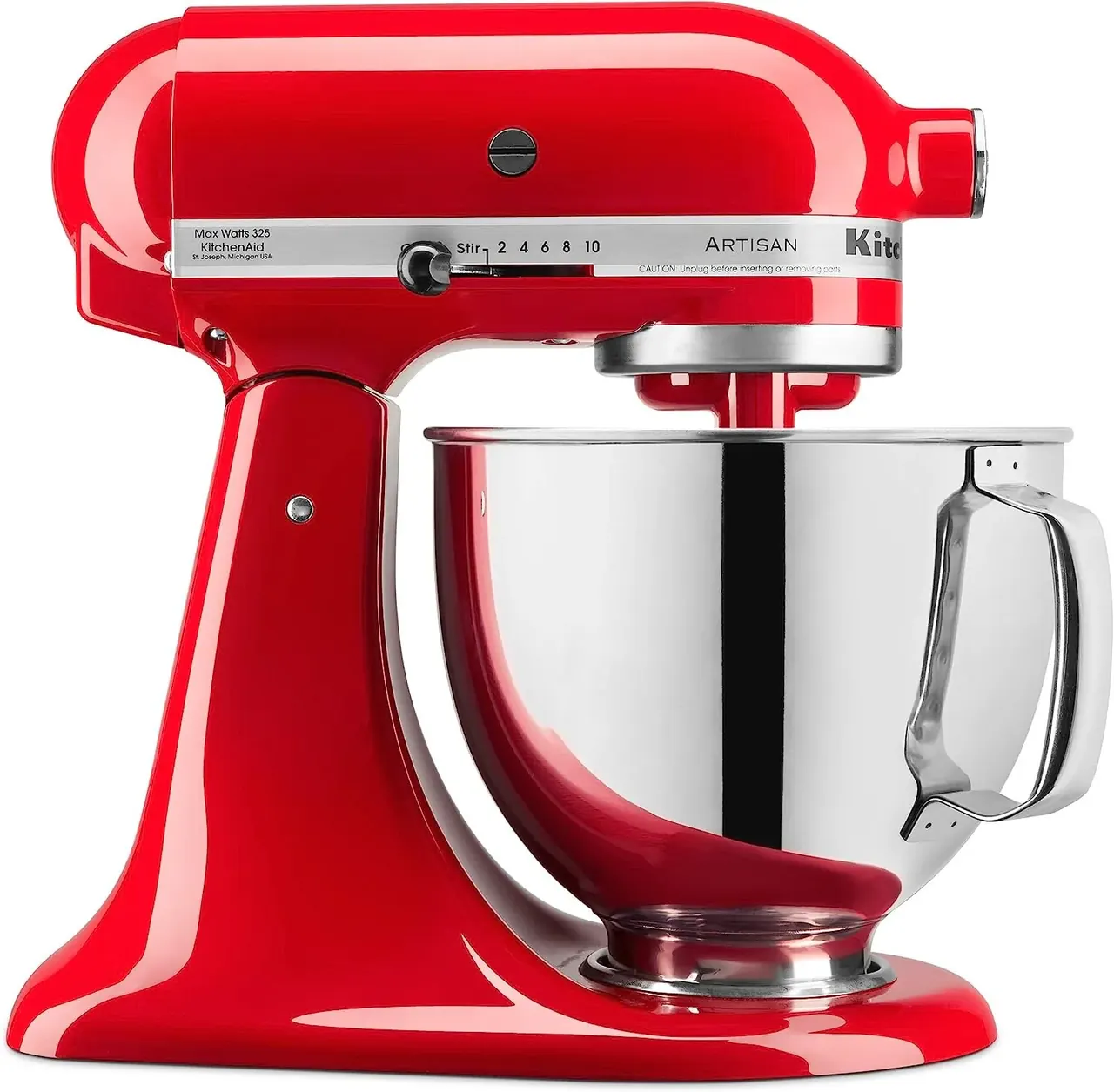
If I’m picking mixing bowls for Halloween baking, I want a simple mix: stainless steel for most of the real work, glass for melting and checking color, and a few small bowls in any sturdy material for icing, sprinkles, and glazes. The best bowl setup is less about one perfect bowl and more about matching material and size to the job, then staying ahead of stains, heat, and sticky cleanup before they become a nuisance.
For everyday Halloween baking, stainless steel is the bowl I’d prioritize first. It’s practical for cookie dough, cupcake batter, frosting, whipped cream, and chilled fillings, and it generally handles repeated use well without holding onto food coloring or baking smells.
It’s especially useful when temperature matters. Stainless steel cools quickly in the refrigerator, so it makes sense for whipped cream or any filling that benefits from a colder bowl. It’s also a sensible choice for dark cocoa, black icing, and orange batter because the surface usually cleans up more easily than scratched plastic.
Shape matters too. For hand mixers or electric mixers, I’d look for a bowl with enough headspace that batter and frosting don’t jump over the rim. A rounded interior makes scraping easier, and a stable base helps when mixing heavier doughs. General material comparisons, like this mixing bowl material guide, often point to stainless steel as a durable, nonreactive option for regular baking.
The main caution is to avoid confusing stainless steel with reactive metals. Unlined aluminum or copper can react with acidic ingredients like citrus, vinegar, or tart fruit fillings, affecting flavor and color. Stainless steel is usually the safer route for Halloween bakes with bold colors and mixed ingredients.
Glass bowls earn their place when I want visibility. If I’m swirling orange and black batter, checking for flour at the bottom, or making sure food coloring is fully incorporated, clear sides are genuinely helpful.
They’re also handy for microwave melting, as long as the bowl is labeled for that use. Chocolate and candy melts do best with short heating intervals and frequent stirring, and glass makes it easy to monitor texture as you go. That said, I wouldn’t assume every glass bowl can handle heat the same way. It’s worth checking the care guidance first.
Glass holds heat longer than metal, which can be useful or annoying depending on the task. It can help keep a melted mixture fluid for a bit longer, but it also means the bowl stays hot after the microwave. I’m careful with temperature changes too. A hot glass bowl moved onto a cold or wet surface is asking for trouble.
For Halloween baking, glass is also one of the easiest materials to trust with strong gel colors. Smooth, intact glass doesn’t usually trap dye the way older, scratched plastic can.
Ceramic and stoneware bowls can be lovely on a Halloween table, especially for serving cookies, popcorn, snack mix, or wrapped candy. They also work for lighter prep tasks where I don’t need to move quickly between cold and hot ingredients.
The upside is stability. Heavier bowls tend to stay put during gentle stirring, and they hold heat well. The tradeoff is that they’re less flexible for fast, messy baking jobs. If I’m whipping frosting with a mixer or moving from microwave to counter to fridge, ceramic is rarely my first pick.
I’d also keep a close eye on condition. Chipped glaze, hairline cracks, and older decorative bowls deserve more caution, especially if their food-safe status or heat limits aren’t clear. For that reason, ceramic feels strongest as a serving piece and secondary mixing bowl rather than the one bowl doing everything.
Plastic bowls can be very handy during Halloween baking, especially for measured ingredients, separated eggs, toppings, and decorating stations. They’re lightweight, easy to pass around, and often more comfortable for kids helping with sprinkles or simple stirring. Advice on baking with children often highlights lightweight, steady bowls for exactly that reason.
Still, plastic has limits. Heat is the big one. I’d keep it away from the microwave and any hot syrup, melted candy, or butter unless the bowl is clearly labeled for that use. Plastic also scratches more easily, and those scratches can trap grease, odor, and strong food coloring over time.
For Halloween baking in particular, that matters. Black, red, purple, and bright orange dyes can leave a mark, especially on older bowls with cloudy interiors. If I’m using plastic, I’d reserve it for dry ingredients, toppings, or tasks where staining won’t be a constant battle.
A bowl’s size affects mess just as much as its material. Small bowls are useful for divided icing colors, glazes, candy eyes, sprinkles, and chopped toppings. They keep each component separate, which helps prevent muddy colors and cluttered counters.
Medium bowls are usually the workhorse size for standard cupcake batter, brownie batter, buttercream, and cookie dough. They give enough room to fold ingredients together without feeling oversized for everyday baking.
Large bowls are the ones that save you from splatter. For big batches, frosting, marshmallow treats, or dough that expands while mixing, extra capacity matters. I never want a bowl filled to the top before the mixer even starts. Headspace is what keeps flour clouds and icing streaks off the cabinets.
Halloween baking tends to involve all the ingredients that cling, stain, or harden: melted chocolate, candy melts, gel color, dark cocoa, sticky dough, and buttercream. A little prep makes cleanup easier.
For chocolate and candy melts, the bowl and spatula need to be completely dry. Even a little water can cause trouble with texture. After pouring out the melted mixture, I’d scrape the bowl while it’s still warm instead of letting it harden into a thick shell.
With food coloring, I’d use separate small bowls for each shade rather than trying to reuse one bowl over and over. Stainless steel and glass are the easiest to clean promptly, especially with concentrated colors. Dark cocoa is another ingredient that benefits from patience. Adding it slowly keeps the powder from coating the rim and drifting across the counter.
For sticky dough, I’d scrape the bowl regularly rather than correcting with more flour or fat. Too much extra flour can change the final texture. If dough is truly stubborn, a short chill can help more than brute force scraping.
The biggest bowl mistakes are usually simple ones. Overfilling is high on the list. A bowl that’s too full makes even a straightforward batter messy, and it’s harder to scrape evenly when ingredients are packed against the rim.
Another common problem is ignoring heat limits. A bowl can look sturdy and still be unsuitable for microwave use, oven use, or sudden temperature changes. That matters most with glass, ceramic, and plastic.
Care matters after baking too. Sugary residue, buttercream, and dye are easier to remove before they dry. I’d scrape out the bulk first, wash with warm soapy water, and avoid harsh abrasives on glossy or polished surfaces. Guidance on stainless steel bowl care also notes that sharp metal utensils can damage the finish, which is a good reminder for other bowl materials as well.
When storing nested bowls, they should be fully dry before stacking. That helps prevent odors in plastic and surface wear on metal or glazed ceramic. If bowls rub against each other easily, a thin towel or separator is a sensible extra step.
The most useful combination is stainless steel, glass, and a few smaller prep bowls. Stainless steel handles most mixing, glass is helpful for melting and visibility, and smaller bowls keep colors, sprinkles, and glazes organized.
A medium bowl is the most versatile for standard batters and cookie dough. I’d also keep small bowls for decorating ingredients and at least one large bowl for frosting, big batches, or any mixture that needs extra room.
For actual baking prep, stainless steel is usually the more practical option because it’s durable, nonreactive, and easy to clean. Ceramic is useful for serving and some gentle mixing, but it’s heavier and less convenient when temperature changes or vigorous mixing are involved. Broader equipment guidance, like this overview from Serious Eats, tends to treat stainless steel, glass, and ceramic as useful in different ways rather than interchangeable.
Stainless steel and smooth glass are usually the safest bets because they resist absorbing strong dyes and clean up more reliably. Plastic can work, but scratched or older plastic is more likely to stain.
If I were putting together the best mixing bowl setup for Halloween baking, I’d start with stainless steel, add one or two clear glass bowls, and keep several small bowls ready for color work and decorating. The right material makes baking easier, but the bigger win is choosing enough sizes, leaving room to mix, and cleaning sticky or dyed mixtures before they settle in.
This page contains affiliate links. If you buy through them, Stripes & Willows may earn a commission at no extra cost to you — it never affects what we recommend.