From This Page
 Best Value
Recommended by Stripes & Willows



 Best Value
Best Value
Best Value
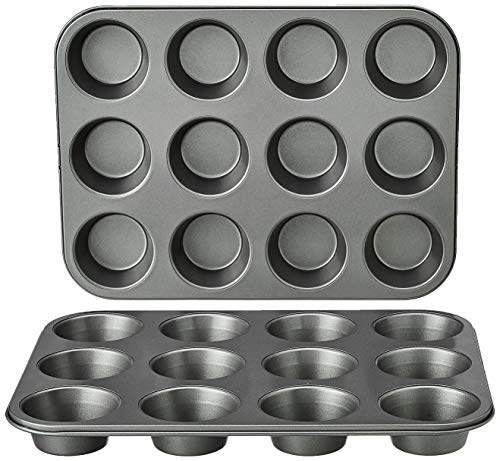
For Christmas baking, the best muffin pan is usually a sturdy metal one: it browns better, bakes more evenly, and works for the widest range of holiday recipes, from gingerbread cupcakes to brownie bites and savory appetizers. I’d only switch to silicone when I want easy release for chilled chocolate, no-bake cheesecake, candy, or frozen desserts. If I’m choosing just one pan for December baking, metal is the practical pick.
A muffin pan earns its keep at Christmas because it turns big-batch baking into neat, giftable portions without much extra work. It’s useful for classic muffins, of course, but also for mini cakes, cookie cups, quiches, egg bites, fudge portions, and little frozen desserts that feel more polished than they really are.
Metal is the most reliable choice for holiday baking because it responds well to oven heat and gives baked goods better color and structure. Muffins, cupcakes, mini fruit cakes, brownie bites, and savory bakes all benefit from that steadier browning. A lighter-colored metal pan tends to brown more gently, while darker finishes can deepen color faster, which matters when holiday batters contain molasses, chocolate, or lots of sugar.
I also like metal for recipes where crisp edges are part of the appeal. Cookie cups hold their shape better, Yorkshire puddings puff more effectively in a hot pan, and savory muffin-tin bakes get a more appetizing finish. General baking guidance from Nordic Ware points to material and construction as key factors in pan performance, and that lines up with what matters most here: even heat and a pan that doesn’t feel flimsy when full.
If the pan is thin, setting it on a sheet pan can make it easier to move in and out of the oven without spilling. That small step matters more in December, when I’m usually baking several batches in a row and working with sticky batters, toppings, and add-ins.
A nonstick coating can be very helpful during Christmas baking, especially for cupcakes, egg bites, and mini cakes that you want to come out cleanly. It also cuts down on the amount of grease needed, which is useful when recipes already lean rich.
Still, nonstick is not a guarantee. Sugary batters, melted chocolate, caramel, and overbaked edges can still cling. I think of nonstick as extra insurance, not a substitute for good prep. Greasing the cavities lightly, or using liners when the recipe suits them, is still worth doing.
The main trade-off is care. Coated pans need a lighter hand: no metal tools, no harsh scouring, and no scraping at burnt sugar with anything sharp. A soft sponge, warm soapy water, and patience will protect the finish better over time. If something is badly stuck, soaking is smarter than force.
Storage matters too. Stacking coated pans directly against one another can scratch the surface, so a soft layer between them helps prevent damage. For holiday bakers who bring out specialty pans once a year, that bit of care makes a difference.
Silicone has one real advantage over metal: flexibility. That flexibility makes it especially useful for desserts that set rather than bake, including chocolate cups, fudge portions, no-bake cheesecake bites, and small frozen treats. When the dessert is fully chilled, silicone can peel away neatly with much less risk of cracking the edges.
For Christmas baking, though, silicone is not my first choice for muffins or cupcakes. It usually gives paler, softer sides, and the structure can feel less tidy than what I get from metal. If I want golden edges or a proper rise, metal still wins.
The other thing to watch with silicone is stability. Flexible pans should sit on a sturdy sheet pan before filling, otherwise batter can slosh around on the way to the oven. That sounds minor, but it’s exactly the sort of mess that slows down a holiday baking day.
Good results start before the batter goes in. For cupcakes and anything I plan to transport, paper liners are usually easiest. For mini cakes, savory bakes, and cookie cups, a greased bare cavity often gives better browning and shape.
When I grease a pan, I don’t stop at the bottom of each cup. The sides and the flat rim around the cavities matter too, because muffin tops and overfilled batter love to stick there. The Kitchn’s muffin-pan preparation advice makes the same practical point: the exposed surface between cups can be the difference between a clean release and torn tops.
For candy or chocolate-based treats, liners or silicone are the safer route. Hot sugar and caramel are much less forgiving than muffin batter, and forcing them out of a rigid pan rarely ends well. Let those recipes cool fully before trying to remove anything.
Even filling matters too. A scoop or measuring cup helps keep portions consistent so they bake at the same rate. For standard muffins and cupcakes, about two-thirds full is a good baseline. Wipe up drips before baking, since those harden into sticky, dark rings around the edge.
The obvious choices are cranberry-orange muffins, gingerbread cakes, chocolate cupcakes, and brownie bites, but a muffin pan is useful far beyond that. I like it for cookie cups filled with ganache or curd, mini quiches for brunch, and simple savory egg cups for houseguests.
It also works well for small desserts that feel festive without much decorating. Brownie bites need only a little whipped topping or a few sugared cranberries to look finished. Mini cakes can be dusted with powdered sugar or topped with a spoonful of icing and still feel holiday-ready.
For savory holiday cooking, a muffin pan can handle Yorkshire puddings, cornbread bites, roasted vegetable tarts, and little sausage or herb muffins. Wilton’s overview of muffin and cupcake pans also notes their usefulness for savory foods, and that flexibility is part of why this pan is so handy in December.
When cavity size changes, bake time changes first. Mini portions can be done much sooner than standard ones, while jumbo portions need longer and may brown before the center catches up. I keep the recipe temperature unless there’s a reason not to, then start checking early rather than guessing late.
Mini muffins or cupcakes are often worth checking around the 10-minute mark, depending on the batter. For standard sizes, I look for lightly springy tops and a tester with moist crumbs instead of wet batter. Dense holiday recipes with fruit, chocolate, or molasses can need a little extra time.
If I’m converting a recipe to a different pan size, a test batch is the easiest way to avoid surprises. It shows quickly if the batter rises too much, dries around the edges, or needs a lower fill level.
It also helps to respect oven hot spots. Rotating the pan too early can cause delicate cakes to sink, so I wait until the batter has set. Leaving space around the pan instead of crowding the oven gives more even results batch after batch.
The biggest pan mistakes are simple ones: overfilling, under-greasing, trying to remove baked goods too soon, and shocking a hot pan with cold water. Holiday baking tends to encourage rushing, and muffin pans don’t reward it.
Let baked goods rest for a few minutes before loosening them. Too hot, and they break. Too cold, especially with sugary edges, and they can cling more stubbornly. A thin silicone spatula is gentler than a knife, especially in coated pans.
For burnt-on residue, soaking works better than scraping. Warm water, dish soap, and a soft sponge are usually enough with a little time. Baking soda paste can help on stubborn spots if the pan’s care instructions allow it, but abrasive cleaners are rarely worth the risk.
To prevent warping, let the pan cool before washing and keep it away from sudden temperature changes. For storage, avoid stacking heavy pieces directly onto a coated surface. Protecting the finish and shape matters if you want the pan ready for next year’s baking.
A sturdy metal pan is best for most Christmas baking because it supports even browning and works well for muffins, cupcakes, brownies, and savory recipes. Silicone is more useful for chocolate, candy, cheesecake bites, and frozen desserts that need flexible release.
Use fresh liners or grease each cavity lightly, including the upper rim around the cups. Avoid overbaking, let the baked goods cool briefly before removing, and use a soft tool instead of a metal knife to loosen edges.
Good options include cranberry-orange muffins, gingerbread muffins, chocolate peppermint cupcakes, mini fruit cakes, brownie bites, cookie cups, mini quiches, and savory egg cups. Small-format bakes are especially helpful during the holidays because they cool faster and are easy to share.
A jumbo muffin pan works well for oversized muffins, individual bread puddings, deep quiches, large brownie portions, and Yorkshire puddings. Keep an eye on bake time, since larger portions often brown on top before the center is fully baked.
If you want one muffin pan for Christmas baking, choose metal. It’s the most versatile, gives the best browning, and handles both sweet and savory recipes well. Silicone has its place, but mainly for chilled and no-bake treats where easy release matters more than color.
This page contains affiliate links. If you buy through them, Stripes & Willows may earn a commission at no extra cost to you — it never affects what we recommend.