From This Page
 Best Premium
Recommended by Stripes & Willows


 Best Premium
Best Premium
Best Premium
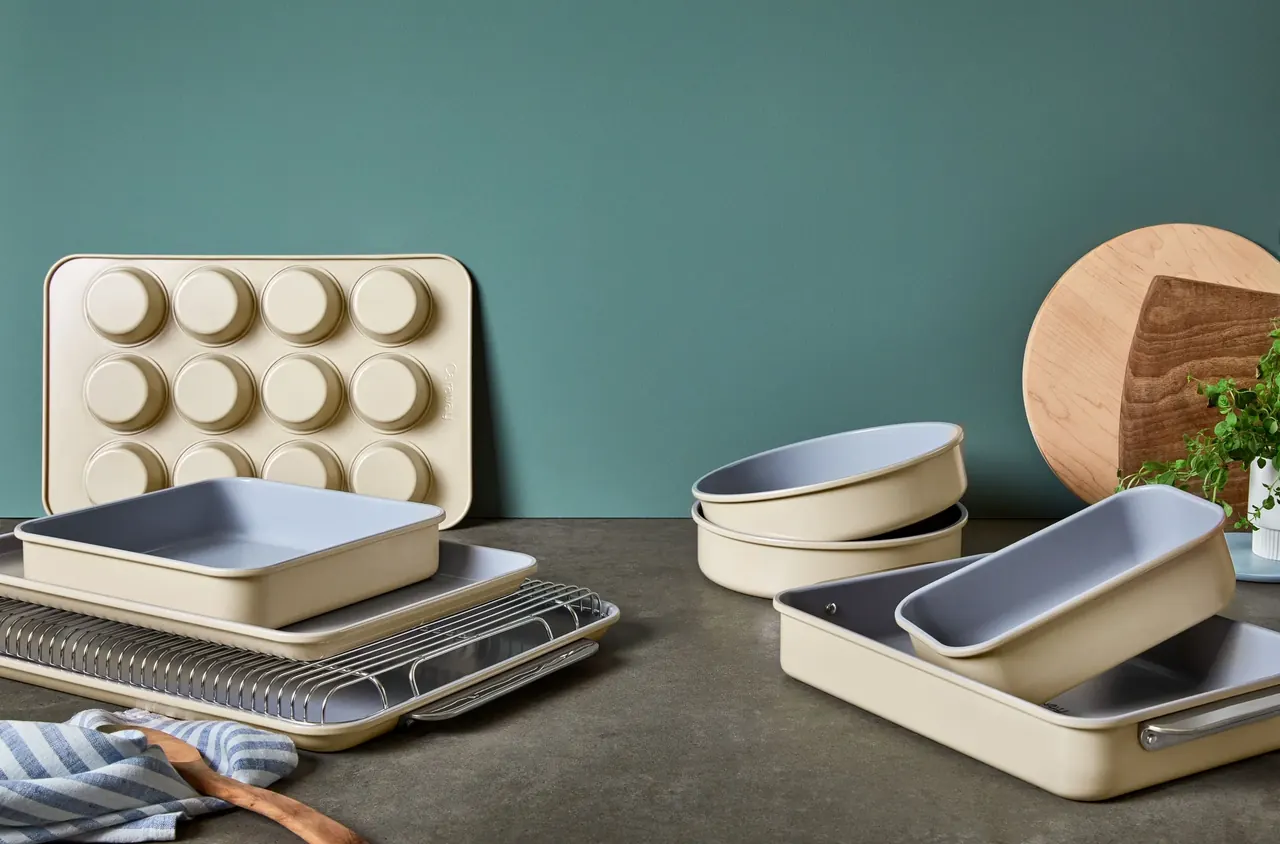
The best pie plate sets for Thanksgiving desserts are the ones with consistent sizing, a material that suits the pies you actually bake, and enough pieces to keep prep, baking, and serving simple. For most holiday bakers, that means starting with matching 9-inch plates, adding a deeper option for high-volume fruit pies if needed, and paying close attention to how glass, ceramic, and metal change browning, timing, and handling.
Thanksgiving pie planning gets easier when I stop thinking about the plate as a decorative extra and treat it as part of the recipe. Diameter, depth, and material all affect how a crust browns, how a filling sets, and how comfortably a pie moves from oven to table. A good set should help with that, not create more guesswork.
A standard 9-inch pie plate is still the most useful starting point for Thanksgiving desserts. It suits many classic recipes, including pumpkin, pecan, and most double-crust fruit pies. The important detail is the interior measurement, not just the label. A plate can be called 9 inches and still vary enough in usable space to change filling depth and baking time.
Depth matters just as much. A deeper plate can be helpful for apple or mixed-fruit pies with a generous filling, but it usually requires more dough and often more baking time. A standard pie recipe poured into a deep dish can look sparse. A deep-dish filling packed into a shallower plate can overflow onto the oven floor.
When I am planning more than one dessert, I like matching standard-size plates for the core pie lineup and a separate deeper dish only when the menu truly calls for it. Custard pies tend to behave more predictably in moderate-depth plates, while fruit pies often benefit from a bit more room and headspace for bubbling juices.
It also helps to set each pie plate on a baking sheet before filling it. That makes a heavy, full pie easier to transfer and catches drips when fruit filling gets lively in the oven.
Glass is useful when I want visual feedback while baking. Being able to see the sides and underside of the crust makes it easier to judge doneness, especially if I am trying to avoid a pale, underbaked bottom. That visibility is one reason guides like this Wirecutter pie plate review keep pointing to glass as a practical choice for consistent results.
For Thanksgiving, glass sets can be especially handy when the menu includes a mix of custard and fruit pies and I want a clearer read on crust color across batches. The tradeoff is that glass needs gentle handling around temperature changes. I would not assume a chilled glass dish can go straight into a hot oven, and I would not set a hot one onto a cold, wet counter.
If you bake with glass, gradual heating and cooling matter. A dry rack, wooden board, or trivet is the safer landing spot after baking. For bakers who like to check crust color without lifting or guessing, glass is often the easiest material to work with.
Ceramic and stoneware pie plates earn their place on a holiday table because they hold heat well and look finished enough to serve from directly. They are often a good fit for Thanksgiving when the dessert spread stays out for a while and presentation matters almost as much as the bake itself.
These materials usually heat more slowly than thin metal, which can mean a gentler browning pattern and, in some cases, a slightly longer bake. That is not a flaw, but it does mean I pay attention to visual cues instead of relying too heavily on the timer. A custard pie should show a set outer ring and just a slight wobble in the center. A fruit pie should look fully bubbling before I call it done.
Not every decorative ceramic dish belongs in the oven, so oven-safe guidance matters. Resources from King Arthur Baking on pie doneness are a useful reminder that the pan and the visual signs of baking work together. With ceramic, I also keep an eye out for chips or fine cracks in the glaze before holiday baking season starts.
If you like to bring pies straight from oven to buffet with minimal fuss, ceramic and stoneware sets make that easy, as long as you handle them with the same care you would any heavier bakeware.
Metal is the practical choice when crust texture is the priority. It responds quickly to heat and often gives stronger browning and a crisper pastry than slower-heating materials. For double-crust apple pies or any pie where the crust should feel like a major part of the dessert, metal has a clear advantage.
That speed comes with a little more need for vigilance. Edges can brown faster, especially in darker finishes, so it helps to check early and shield the rim if needed. The pie technique guidance from Serious Eats is helpful on this point: good crust results come from controlling heat, structure, and timing, not just following a fixed bake number.
Metal sets can be a very sensible option for high-volume holiday baking because they are often straightforward to stack, store, and move around the kitchen. Just keep in mind that very thin pans may need the support of a sheet tray underneath, especially once they are filled.
A good set is not just a group of matching dishes. It should match your dessert plan. If you usually make two classics and one fruit pie, I would focus on standard plates first and then add depth only where needed. If you often bake ahead and chill pies before serving, think about how the plates move from refrigerator to counter and how much room they take up in storage.
Serving from the baking dish is usually the easiest path on Thanksgiving. It saves a delicate crust from being transferred, and it keeps cleanup more manageable. I like each pie to have its own server and a stable spot on the table, especially when several fillings look similar at a glance.
For the dessert table itself, matching every piece is not necessary. Consistent size and function matter more than perfect visual uniformity. A restrained mix tends to look calmer anyway, and the pies should be the focus.
The biggest mistake is choosing a plate by appearance alone. A pie plate that is too shallow, too wide, or inconsistent with the recipe can throw off the entire bake. I always check the recipe’s intended dimensions before swapping pans.
Another common issue is overfilling fruit pies. The dramatic pre-bake mound can look promising, but if the filling rises above the rim, it is much more likely to spill, collapse, or leave the bottom crust wet. Keeping the filling below the edge and baking on a lined sheet tray is the cleaner, safer approach.
Cooling time is another place holiday plans go sideways. Custard pies need time to finish setting, and fruit pies need time for juices to thicken. Trying to serve everything straight from the oven usually leads to messy slices and unnecessary stress.
Finally, avoid thermal shock. Glass and ceramic are especially vulnerable to sudden temperature swings. Manufacturer guidance is the first thing to follow, and general food safety references like the USDA safe food handling basics are always worth keeping in mind when cooling, storing, and reheating holiday desserts.
Pie plate sets last longer when they are cleaned gently and stored with a little padding. I let the plate cool fully before washing, then soak stuck-on bits in warm soapy water instead of attacking them with abrasive scrubbers. A soft sponge or nylon brush is usually enough, and a little baking soda paste can help with stubborn fruit syrup.
For storage, I make sure each piece is completely dry and separate stacked plates with a soft liner. Heavy cookware should not rest on delicate rims. This matters most with ceramic, stoneware, and older glass pieces, but it is a good habit for any set meant to come back out next Thanksgiving in one piece.
A standard 9-inch pie plate is the most versatile choice for classic Thanksgiving pies. Use a deeper plate only when the recipe is written for extra filling, especially for fruit pies.
Yes, ceramic pie plates can bake evenly and hold heat well. They may bake a bit more slowly than metal, so it helps to watch for visual signs of doneness instead of relying only on time.
Count one plate per pie you plan to bake, plus a spare if your baking schedule overlaps or you like having a backup dessert option. The right number depends more on your menu and oven timing than on buying a large set.
Do not assume they can. Glass and ceramic may crack with rapid temperature changes, so it is best to follow the care instructions for the specific bakeware material.
Glass lets you see crust color, ceramic and stoneware retain heat and serve well at the table, and metal browns quickly for crisp pastry. Each one can work beautifully if the baking time and handling match the material.
The best pie plate sets for Thanksgiving desserts are consistent, practical, and matched to the kinds of pies you actually bake. Start with reliable sizing, choose the material that supports your preferred crust and serving style, and a holiday pie lineup becomes much easier to manage.
This page contains affiliate links. If you buy through them, Stripes & Willows may earn a commission at no extra cost to you — it never affects what we recommend.