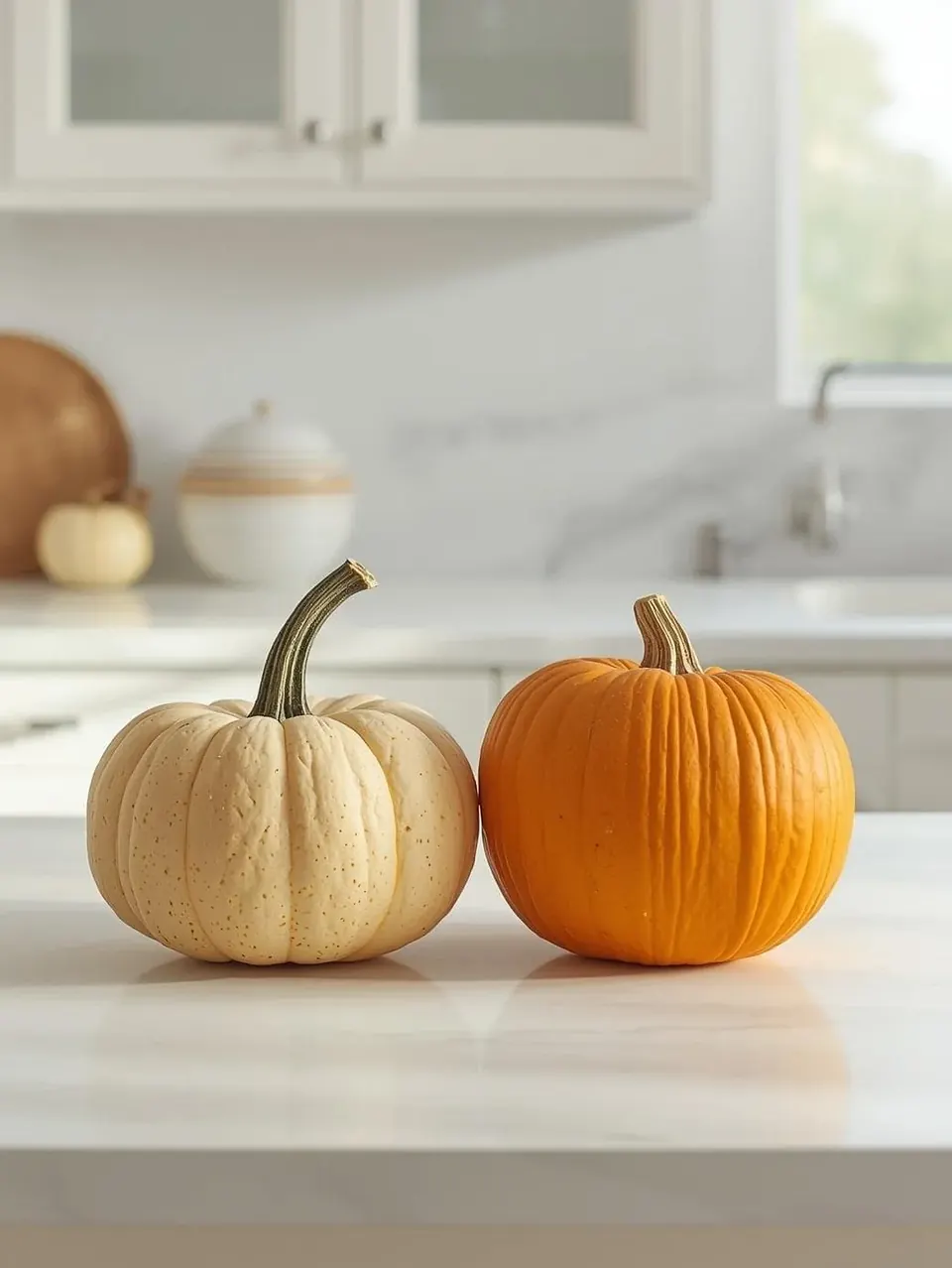
Picture this: you're standing in the baking aisle, recipe in hand, wondering if that can labeled "100% pure pumpkin" is the same thing as the pumpkin puree your recipe calls for.
We’ve all been there wondering if we can do the quick route of using a pumpkin can (when I was getting this blog going I actually used a pumpkin soup can in a cake recipe, it was literally the worse thing I’ve ever tasted. I didn’t realize how much of the savory spices would come through, bloody revolting.
Canned pumpkin and pumpkin puree are essentially the same thing when you buy the right product – but there are some differences that can affect the end result (especially when baking) and also there is personal preference, I prefer home made but I also know that is a damn luxury to have time so let’s get you sorted with canned pumpkin if you need it. Ain’t no shame in making your life easier!
The confusion is totally understandable because grocery stores love to keep us on our toes with their labeling.
I've learned through plenty of trial and error that knowing the difference between true pumpkin puree and those sneaky pumpkin pie fillings can mean the difference between a perfect pumpkin bread and a overly sweet disaster or if you read earlier my pumpkin soup cake disaster (gag).
Whether you're team homemade or team grab-it-and-go, I'm going to walk you through everything you need to know about using canned pumpkin versus fresh pumpkin puree in your kitchen.
What is Pumpkin Puree and Canned Pumpkin
I've spent countless hours in the baking aisle staring at orange cans, wondering what the difference really is between these pumpkin products.
The main thing to know is that pumpkin puree can be fresh or canned, while canned pumpkin is always store-bought and might not even be 100% pumpkin.
What Is Pumpkin Puree?
Pumpkin puree is simply cooked pumpkin that's been mashed or blended until smooth. I make mine by roasting fresh pumpkins, scooping out the flesh, and blending it up.
Fresh pumpkin puree has a few advantages that I've noticed in my kitchen. The texture is usually a bit thicker and flavorful. I love the control I have over the consistency too.
The downside? Making fresh puree takes time and effort. You need to pick the right pumpkin, roast it, scoop it, and blend it.
Some sugar pumpkins work better than carving pumpkins for cooking. I learned this the hard way after making a watery mess with a jack-o'-lantern pumpkin once!
What Is Canned Pumpkin?
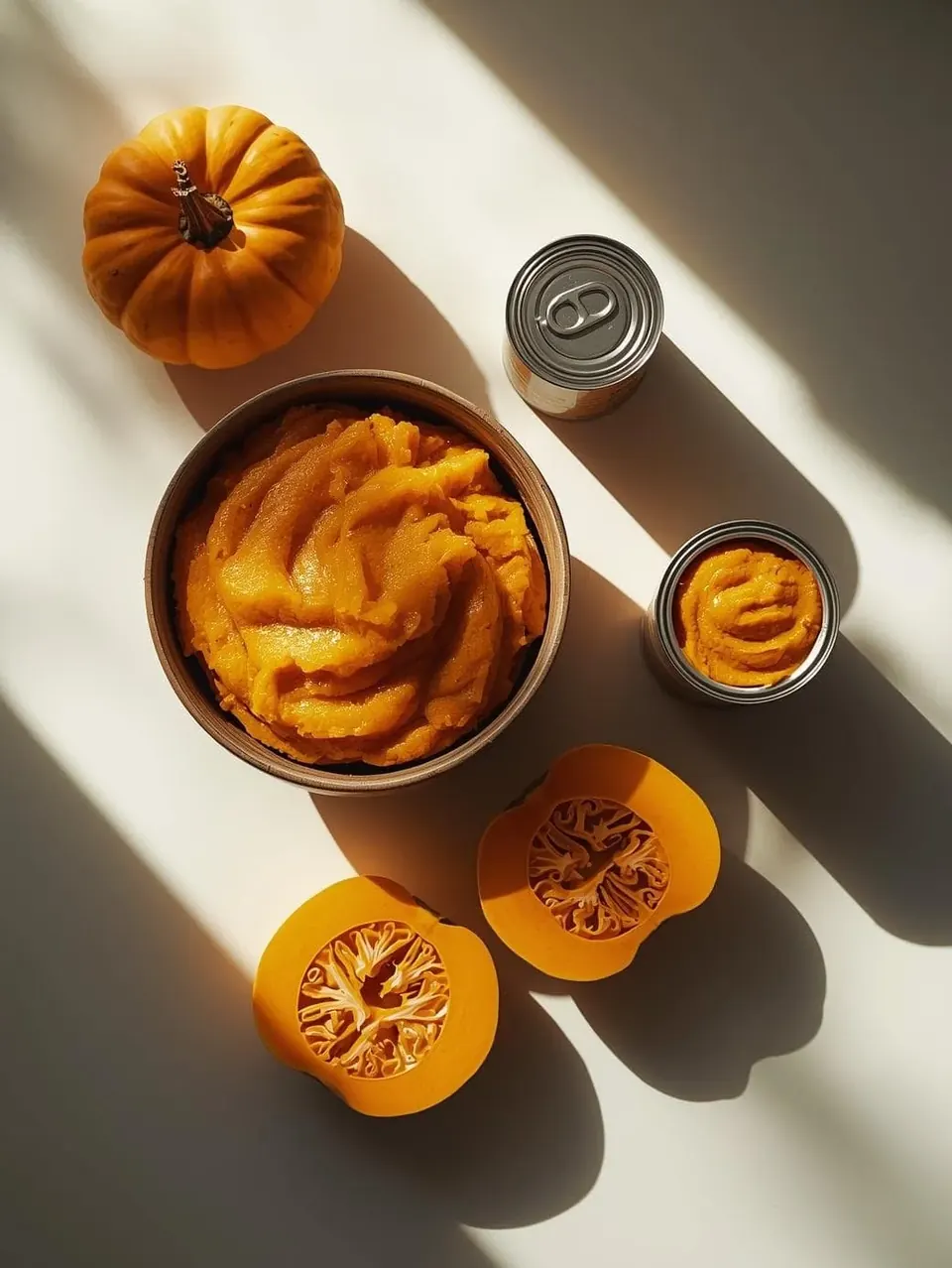
Canned pumpkin is pre-cooked pumpkin (or squash) that comes ready to use. Most brands use varieties like Dickinson squash instead of traditional orange pumpkins.
I reach for 100% pure pumpkin when I'm baking.
The convenience factor is my main draw card. I can grab a can and start baking immediately. No planning, no roasting, no scooping, no mess.
Different brands can impact the final taste and texture of your recipes. Some are smoother while others have more pronounced flavors.
I keep several cans in my pantry because they last forever. The consistency stays the same every time, which helps my recipes turn out predictably.
Pumpkin Pie Filling vs. Pure Pumpkin
This is where I see people get confused at the store. Pumpkin pie filling and pure pumpkin are completely different products.
Pure pumpkin contains:
Only pumpkin (or squash)
No added sugars
No spices
Pumpkin pie filling includes:
Pumpkin base
Added sugars
Pre-mixed spices like cinnamon and nutmeg
Sometimes preservatives
I always buy pure pumpkin because I want control over my spices and sugar levels. Using pie filling in a recipe that already calls for spices will make your dessert way too sweet and overpowering.
Check the label carefully! The cans often look similar, and I've accidentally grabbed pie filling before. My pumpkin bread turned out sickeningly sweet that day.
Pure pumpkin works in both sweet and savory dishes. I've used it in soups, curries, and even pasta sauces.
What Differences Between Pumpkin Puree and Canned Pumpkin
The main differences come down to what's inside the can, how it's made, and what you'll feel when you scoop it out. I've learned that canned pumpkin and pumpkin puree are often the same thing, but the devil's in the details.
Ingredients and Labeling
When I flip over a can in the store, I look for one magic phrase: "100% pumpkin." That's your golden ticket to pure pumpkin goodness.
But here's where it gets tricky. Many brands use Dickinson squash instead of actual sugar pumpkins. Don't panic - this butternut squash cousin actually tastes better than regular pumpkins!
Some cans might contain a mix of:
Sugar pumpkin (pie pumpkin)
Butternut squash
Hubbard squash
Other winter squashes
The label will say "pumpkin puree" or "canned pumpkin" for the same product. I've noticed that both terms refer to the same thing when there are no added ingredients.
Watch out for pumpkin pie filling - that's a completely different beast with sugar and spices added.
Processing Methods
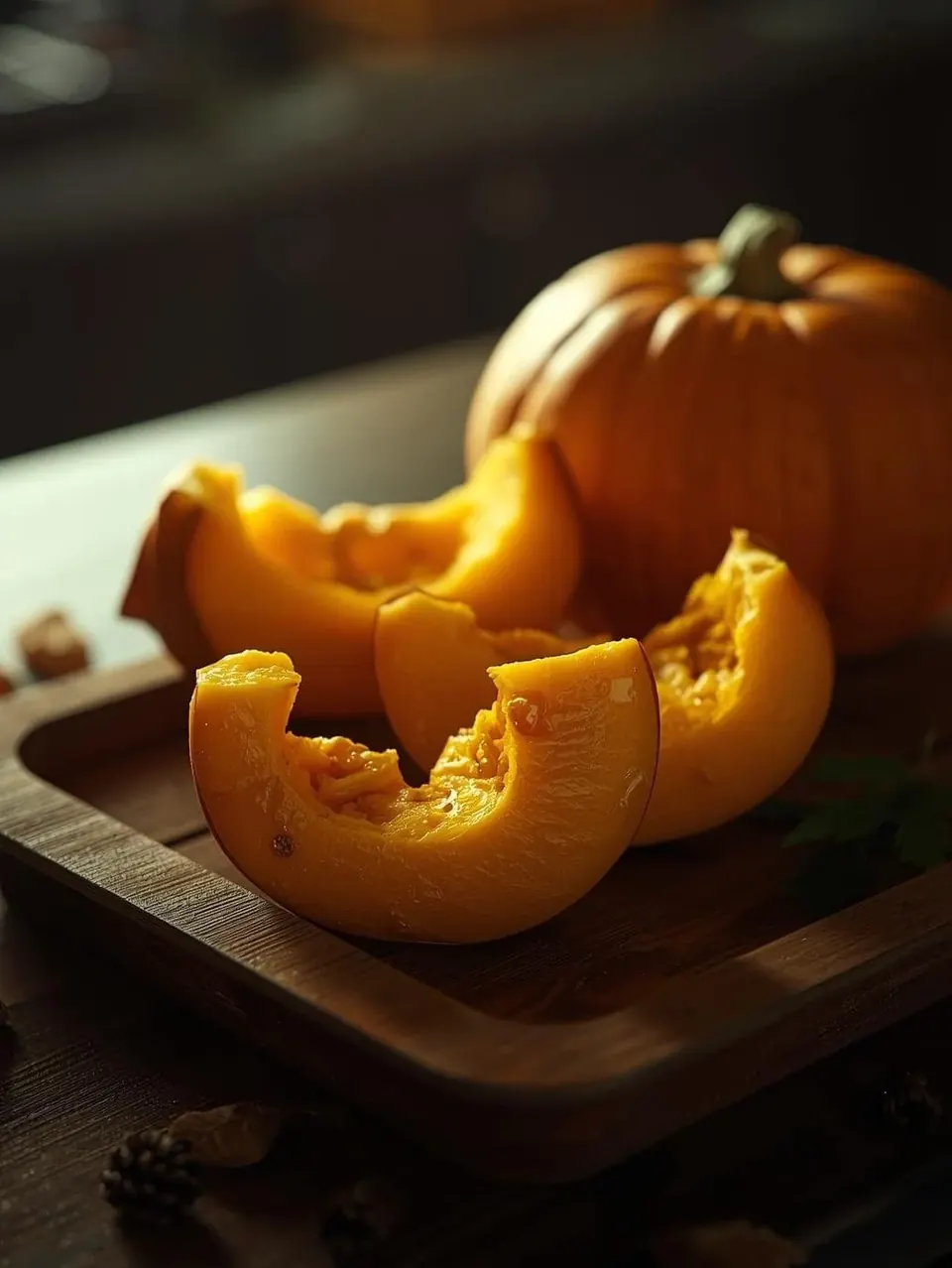
The way companies make canned pumpkin is pretty straightforward, and I find it fascinating. They start with sugar pumpkins or winter squashes, not those big carving pumpkins.
First, they steam or roast the pumpkin flesh until it's super soft. Then they puree it into a smooth paste and can it immediately.
When I make fresh pumpkin puree at home, I follow a similar process. I cut my pie pumpkin in half, scoop out the seeds, and roast it face-down until tender.
The main difference? Time and consistency. My homemade version takes hours and never comes out exactly the same twice. Commercial processing gives you the same texture every single time.
Texture and Consistency
This is where I notice the biggest differences when I'm actually cooking. Canned pumpkin has a thick, smooth consistency that holds its shape well.
Fresh pumpkin puree tends to be more watery than the canned version. I often need to strain my homemade puree through cheesecloth to remove excess moisture.
Canned pumpkin characteristics:
Thick and creamy
No lumps or fiber
Ready to use straight from the can
Consistent moisture content
Fresh pumpkin puree traits:
More watery initially
Slightly grainier texture
May need straining
Varies by pumpkin variety
I've found that the texture differences between brands can be subtle, but the difference between fresh and canned is always noticeable in my recipes.
Flavor and Cooking Uses
Both canned pumpkin and fresh pumpkin puree deliver that warm, earthy sweetness we crave in fall recipes. The flavor differences are subtle, but they can influence how your pumpkin pie, pumpkin spice lattes, and savory dishes turn out.
Pumpkin Flavor in Sweet Recipes
I've found that canned pumpkin tends to have a more concentrated, slightly sweeter flavor in my pumpkin desserts. This makes it perfect for pumpkin pie filling where you want that rich pumpkin taste to shine through.
Fresh pumpkin puree gives me a cleaner, more delicate flavor. It works beautifully in pumpkin bread and pumpkin muffins where I don't want the pumpkin to overpower other ingredients.
For pumpkin cookies and pumpkin cheesecake, I actually prefer canned pumpkin. The concentrated flavor means I don't need as much, and my batter stays the right consistency.
Sweet Recipe Performance:
Pumpkin pies: Canned pumpkin creates richer filling
Pumpkin bread: Fresh puree offers lighter texture
Pumpkin muffins: Both work well, canned is more convenient
Holiday desserts: Canned pumpkin gives consistent results
Savory Dishes and Versatility
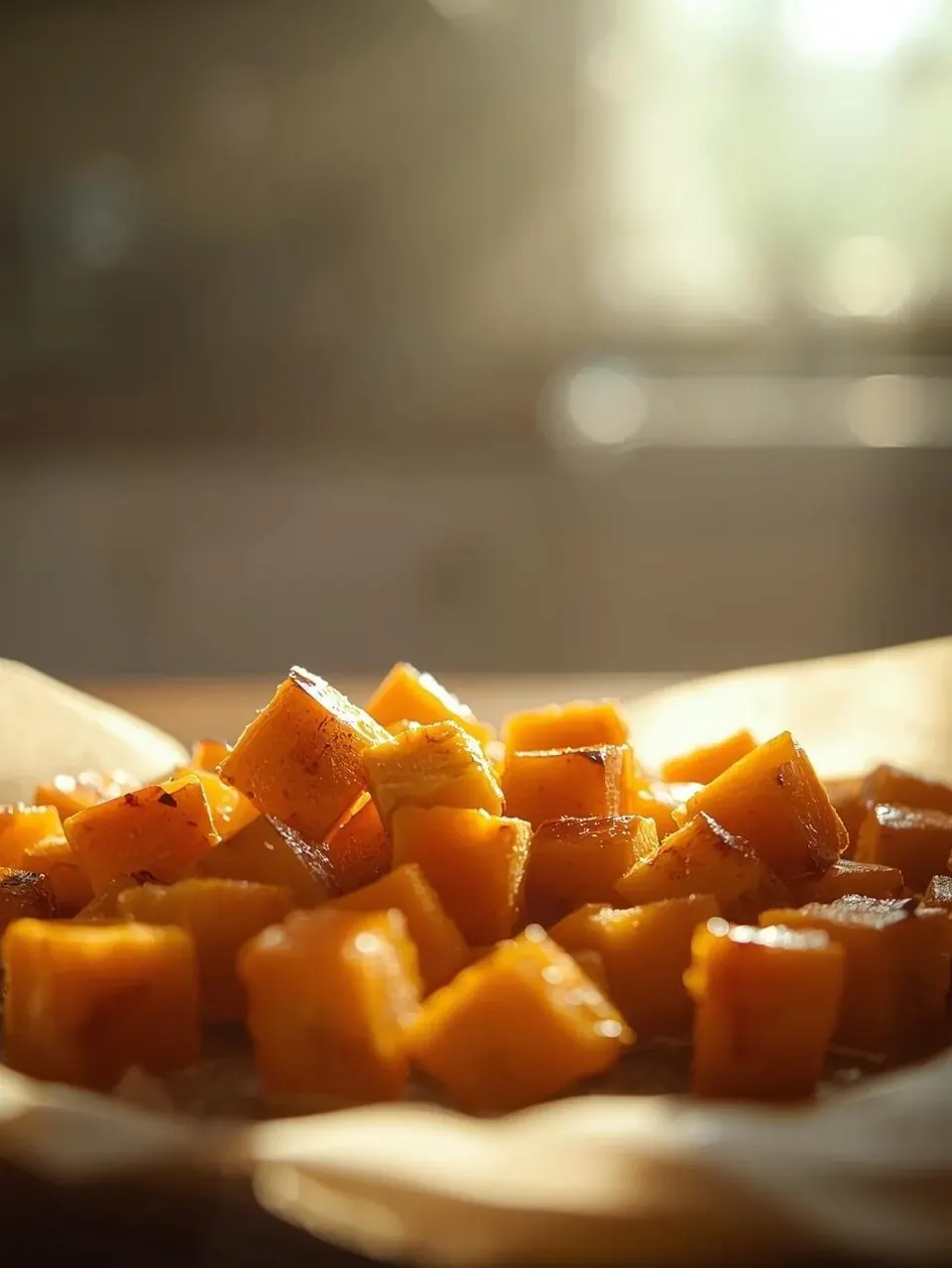
When I'm making pumpkin soup, the choice between canned and fresh makes a bigger difference than in sweet recipes. Fresh pumpkin puree gives me a cleaner vegetable flavor that doesn't compete with herbs and spices.
Canned pumpkin works great in pumpkin ravioli filling because its thicker consistency holds up better. I don't have to worry about the filling being too watery.
For curries and stews, I reach for fresh puree. It blends seamlessly without adding any processed taste that might clash with complex spice blends.
Savory Applications:
Soups: Fresh puree for cleaner taste
Pasta dishes: Canned for better texture
Curries: Fresh blends better with spices
Risottos: Both work equally well
Impact on Pumpkin Spice Lattes and Seasonal Foods
My homemade pumpkin spice lattes taste noticeably different depending on which pumpkin I use. Canned pumpkin is often used in recipes where you want a distinct pumpkin flavor, like in pumpkin spice drinks.
The concentrated flavor of canned pumpkin means I need less to get that signature fall taste. With fresh puree, I sometimes have to add more, which can make the drink thinner.
For pumpkin spice seasonings and sauces, canned pumpkin gives me more predictable results. During the busy holiday season, this consistency helps me nail my pumpkin recipes every time.
Seasonal Recipe Tips:
Use 2 tablespoons canned vs 3 tablespoons fresh for lattes
Canned works better in pumpkin spice syrups
Fresh puree needs extra spices to match canned intensity
Nutritional Value of Pumpkin Puree vs. Canned Pumpkin
When I compare the nutrition facts, pumpkin puree made from fresh pumpkin has higher nutritional value and lower calories than its canned counterpart. Both options pack serious vitamin A power, but there are some key differences in fiber content and sodium levels that I think you should know about.
Vitamin A, Fiber, and Potassium Comparison
Let me tell you - both fresh pumpkin puree and canned pumpkin are absolute vitamin A champions. I'm talking about getting over 200% of your daily vitamin A needs in just one cup!
Fresh pumpkin puree typically contains slightly more vitamin A because it hasn't gone through commercial processing. The vibrant orange color is your clue - the deeper the orange, the more beta-carotene you're getting.
Fiber content is where things get interesting. Homemade pumpkin puree usually has a bit more fiber since you control the cooking process. I find that fresh puree gives me about 7-8 grams of fiber per cup.
For potassium, both options deliver around 500-600mg per cup. That's fantastic for heart health and muscle function!
The biggest difference I notice is sodium content. Fresh pumpkin puree is often lower in sodium since you're not adding any preservatives.
Caloric Content and Health Benefits
Here's what I love about both options - they're incredibly low in calories! Fresh pumpkin puree comes in at about 50-60 calories per cup, while canned is usually 80-90 calories.
The calorie difference comes from processing methods and sometimes added ingredients in canned versions. I always check labels because some brands sneak in extra sugars.
Health benefits are pretty similar between both:
Eye health from all that vitamin A
Digestive support from the fiber content
Heart health from potassium
Immune system boost from beta-carotene
What I really appreciate about fresh puree is that I control everything that goes into it. No mysterious preservatives or added sodium - just pure pumpkin goodness!
Both options are fantastic for managing weight since they're low in calories but high in nutrients that keep me feeling full.
Making Homemade Pumpkin Puree
Making your own pumpkin puree at home is easier than you think, and the payoff is incredible. You'll get better flavor control, perfect texture, and that satisfying feeling of creating something from scratch.
Choosing the Right Pumpkin
I can't stress this enough - not all pumpkins are created equal for puree! Those giant carving pumpkins sitting on your porch? They're watery and bland for cooking.
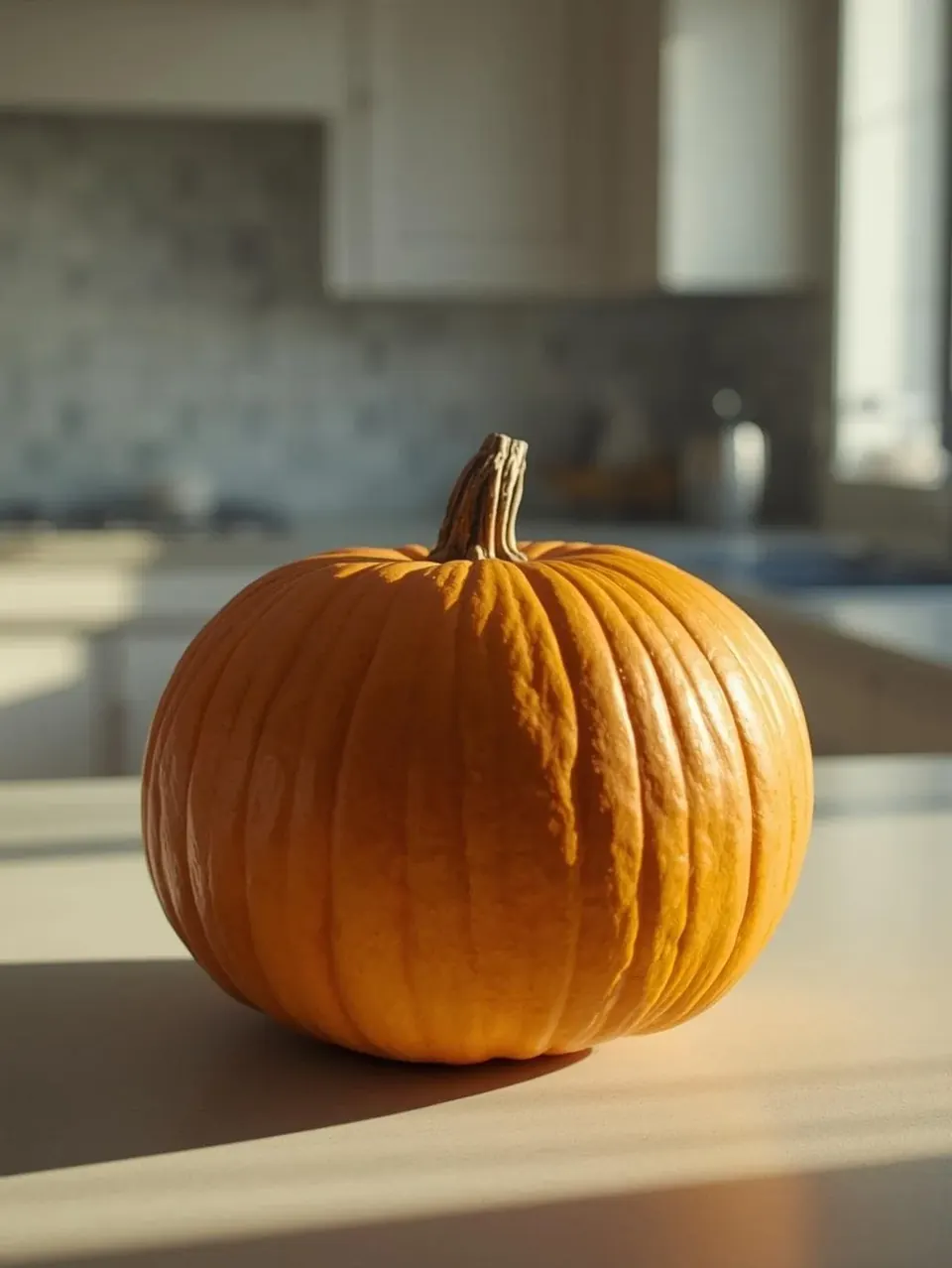
Sugar pumpkins (also called pie pumpkins) are my go-to choice. They're smaller, rounder, and have dense, sweet flesh that purees beautifully. Look for pumpkins that feel heavy for their size with no soft spots.
Here's what I look for when picking pumpkins:
Size: 2-4 pounds is perfect
Shape: Round and squat, not tall
Color: Deep orange with no green patches
Feel: Hard skin that doesn't give when pressed
Stem: Dry and firmly attached
Butternut squash works great too if you can't find good sugar pumpkins. I've used it many times with excellent results.
Step-by-Step Process
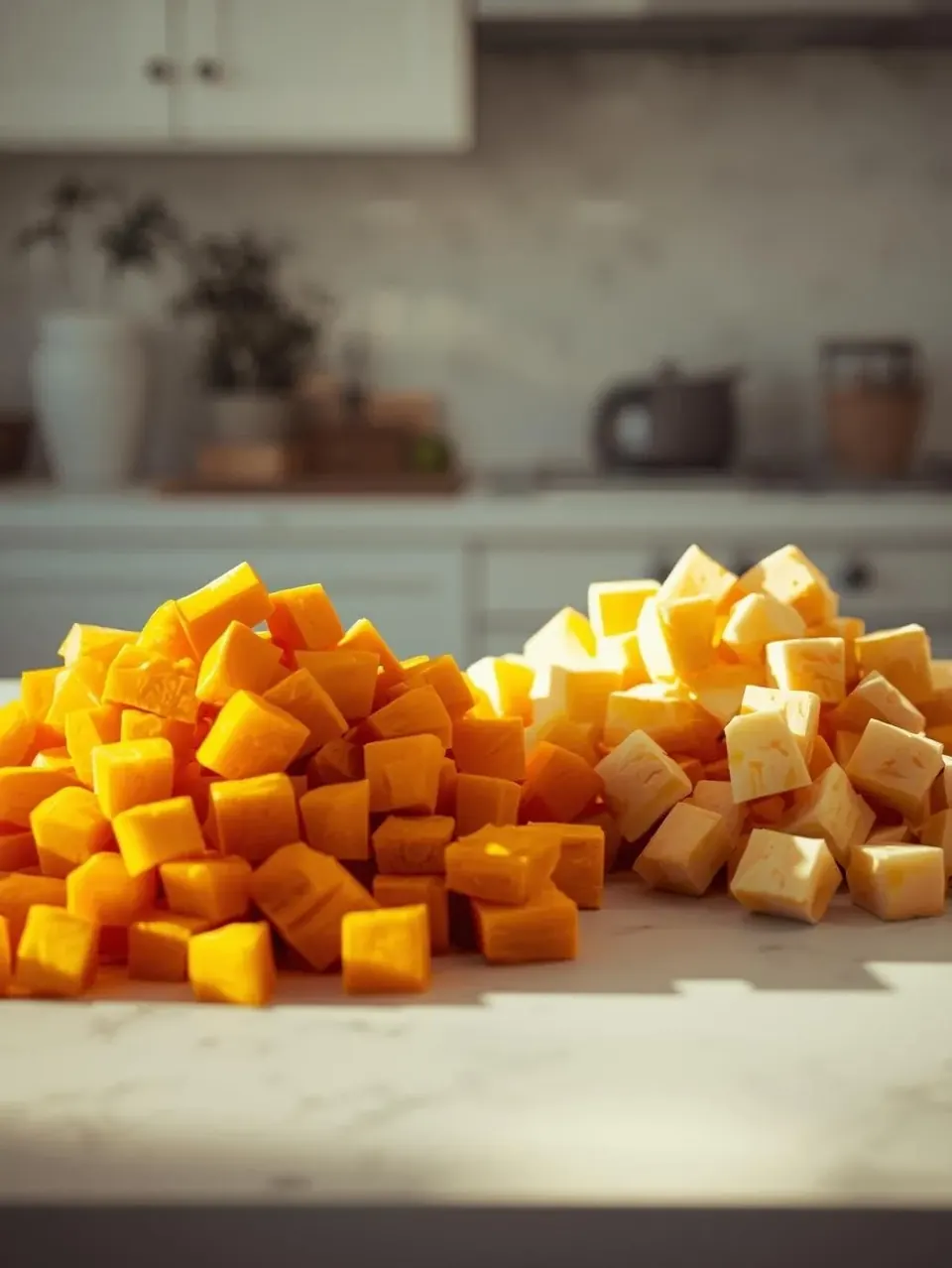
Making homemade pumpkin puree starts with roasting, which brings out amazing flavor. I prefer roasting over steaming because it concentrates the flavors instead of diluting them.
Prep Work:
Preheat your oven to 400°F
Cut the pumpkin in half from top to bottom
Scoop out all seeds and stringy bits with an ice cream scoop
Roasting: Place pumpkin halves cut-side down on a baking sheet lined with parchment paper. Roast for 45-60 minutes until the flesh is fork-tender.
The skin should give slightly when pressed. Let it cool until you can handle it safely.
Making the Puree: Scoop the roasted pumpkin flesh from the skin with a spoon. Add it to a food processor and blend until smooth.
If it's too thick, add water one tablespoon at a time. The texture should be smooth but not watery.
Storing and Freezing Homemade Puree
Fresh pumpkin puree keeps in the fridge for up to one week. I always make big batches and freeze most of it for later use.
Freezer Storage Tips:
Portion into 1-2 cup containers for easy recipe use
Label with date and amount
Freeze flat in freezer bags to save space
Use within 6-8 months for best quality
To thaw frozen pumpkin puree, move it to the fridge overnight. Give it a good stir before using since separation is normal.
I like using ice cube trays for small portions. Once frozen, pop them into freezer bags. This way I can grab exactly what I need for smoothies or small recipes.
The texture might be slightly different from canned after freezing, but the flavor is still fantastic.
Tips For Substituting and Storing
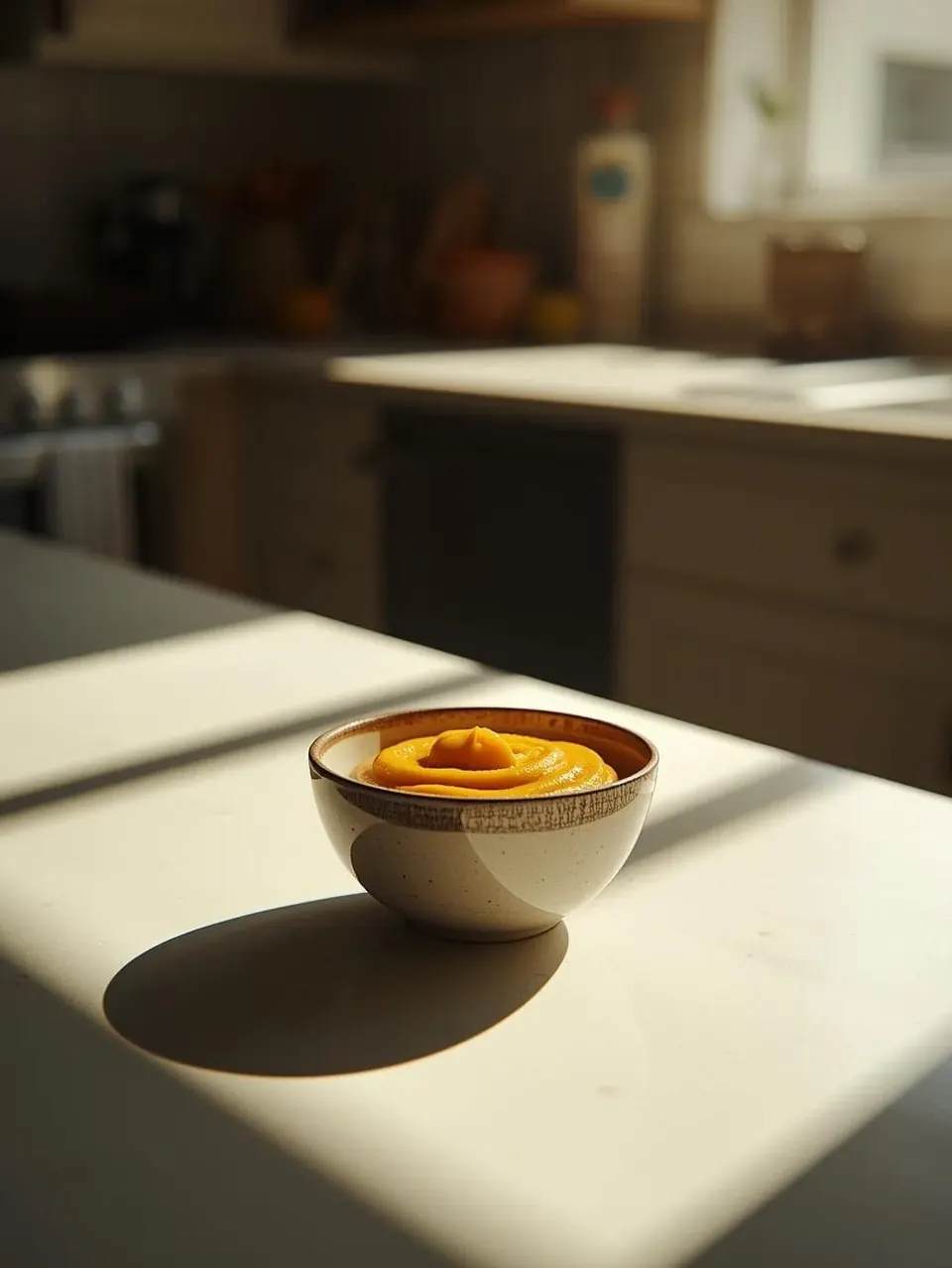
Making the swap between fresh and canned pumpkin is easier than you think, but getting the ratios right and storing your pumpkin properly will make or break your fall baking adventures.
Swapping Canned Pumpkin for Pumpkin Puree
I always tell people that canned pumpkin and pumpkin puree are the same thing - it's just cooked and pureed pumpkin in a can. But here's where it gets tricky with fresh substitutions.
When I'm swapping fresh pumpkin puree for canned, I start with a 1:1 ratio. But canned pumpkin can add more moisture than fresh pumpkin puree, so I always check my batter consistency first.
My go-to substitution guide:
1 cup canned pumpkin = 1 cup fresh pumpkin puree
Reduce other liquids by 2-4 tablespoons if batter seems too wet
Add 1 tablespoon flour if mixture is still too loose
The biggest mistake I see? People grabbing pumpkin pie filling instead of plain pumpkin. Trust me, you can't simply substitute pumpkin pie mix for recipes calling for pumpkin puree - the added spices and sugar will throw off your entire recipe.
Storage and Shelf Life
Once I open a can of pumpkin, I'm racing against the clock. Transfer leftover canned pumpkin puree to an airtight container immediately after opening.
My storage timeline:
Refrigerator: 3-5 days in airtight container
Freezer: Up to 6 months in freezer bags
Unopened cans: 2-3 years in pantry
I love freezing pumpkin in ice cube trays during pumpkin season. Each cube is about 2 tablespoons - perfect for adding to smoothies or small batches of muffins.
For fresh pumpkin puree, I store it the same way as canned. The key is using clean, dry containers to prevent bacteria growth.
Best Practices for Consistent Results
After years of using pumpkin puree in everything from pies to pancakes, I've learned a few tricks that make all the difference.
Always drain excess moisture from fresh pumpkin puree by spreading it on paper towels for 10-15 minutes. Canned pumpkin is already the perfect consistency most of the time.
My texture tips:
Too thick? Add 1-2 tablespoons milk or water
Too thin? Mix in 1 tablespoon cornstarch or flour
Need richer flavor? Roast canned pumpkin at 400°F for 10 minutes
I measure pumpkin by weight when possible - 1 cup equals about 8 ounces. This gives me consistent results every single time, whether I'm using fresh or canned.
Temperature matters too. I bring refrigerated pumpkin to room temperature before mixing it into batters. Cold pumpkin can seize up butter and create lumpy mixtures.