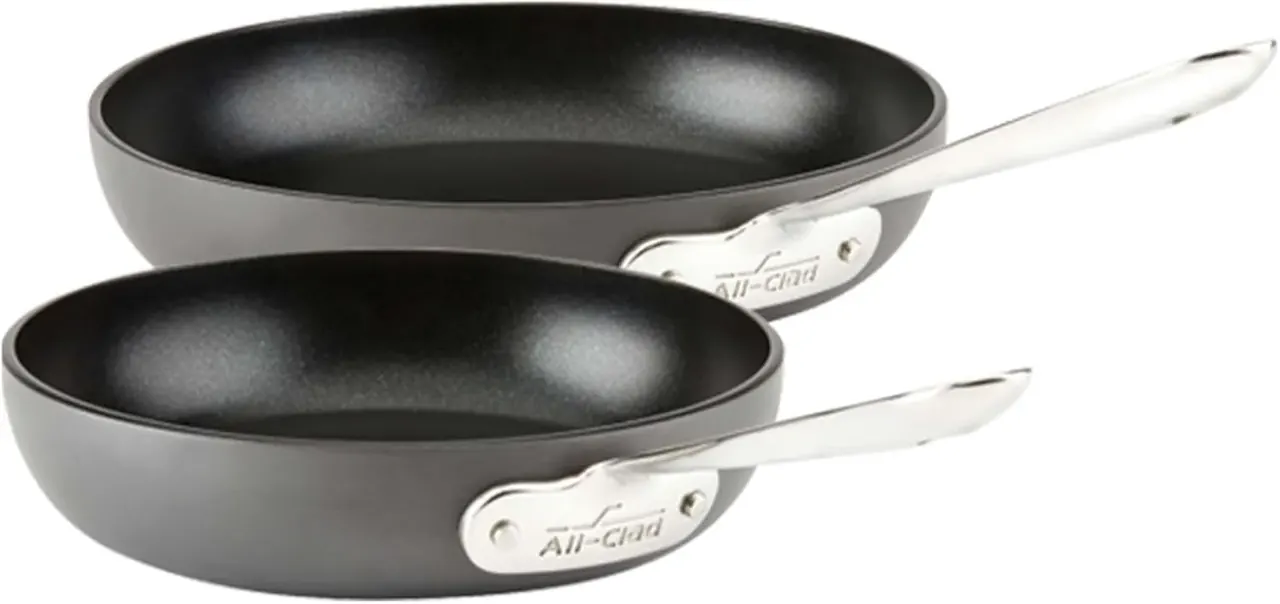
The best roasting pan for Christmas dinner is the one that fits your roast with a little breathing room, has handles you can grip confidently in oven mitts, and is made from a material that suits the way you cook. For most holiday cooks, that usually means a sturdy stainless steel roasting pan with a rack. If cleanup matters most, nonstick can make sense; if heat retention is the priority, cast iron or enameled cast iron can work beautifully, as long as the weight is manageable.
I think about a roasting pan as part of the cooking plan, not just a vessel. Pan size affects browning, airflow, drippings, and how safely I can carry a heavy bird from oven to counter. Before Christmas, I want to know three things: will it fit the oven, will the roast fit the pan without crowding, and can I actually lift it once it's full of hot juices.
1. Stainless Steel Roasting Pans
If I were choosing one material for a classic Christmas dinner, stainless steel would be the most practical place to start. It handles high oven heat well, encourages solid browning, and is often the easiest choice for making pan gravy if the pan is stovetop-compatible.
The detail I pay attention to most is thickness. A pan with a heavier, layered base generally heats more evenly than thin metal, which helps reduce hot spots and scorched drippings. For turkey, ham, prime rib, or a large pork roast, that steadier heat matters.
Stainless steel also makes sense if I want flexibility. It can usually move from oven to burner more comfortably than ceramic or many nonstick pans, which is useful after the roast comes out and I want to deglaze the browned bits. If you need a general size reference, this roasting pan size guidance is a helpful starting point, but I would still check actual interior dimensions rather than relying on the label alone.
The trade-off is cleanup. Stainless can discolor, and baked-on residue is common after a long roast. I stick to prompt soaking, gentle scrubbing, and cookware-safe cleaning methods rather than harsh abrasives. Material-specific care matters here, especially if the pan has a polished finish or layered construction.
2. Nonstick and Aluminum Roasting Pans
Nonstick and aluminum roasting pans are worth considering if lighter weight and easier cleanup are high on the list. A lighter pan can be easier to maneuver, which matters when the meal is large and the oven is busy.
Aluminum heats quickly, but thinner pans can warp or heat unevenly. That doesn't make them useless; it just means I would be more careful about overcrowding, adding cold liquid to a very hot pan, or expecting the same heat stability I get from heavier cookware.
Nonstick is appealing when sticky drippings or sugary glazes are part of the menu. Cleanup is usually simpler, but there are limits. I would not assume a nonstick roasting pan can go under a broiler or onto the stovetop unless the manufacturer says so. The same goes for the rack. A scratched coating is harder to care for and tends to wear sooner, so gentle utensils and soft scrubbers are the safer route.
For Christmas dinner, I think nonstick works best when I want convenience and don't plan to make gravy directly in the pan over a burner. It's less of a one-pan workhorse than stainless steel, but it can still be a sensible fit.
3. Cast Iron and Enameled Cast Iron Roasting Pans
Cast iron is the material I look at when heat retention is the main benefit I want. It holds heat exceptionally well, which helps when a cold roast goes into a hot oven and I want the pan temperature to stay more stable.
That said, weight is the real question. A large roast plus drippings plus a heavy pan can be a lot to manage safely. For some kitchens, that will be fine; for others, it turns lifting into the least pleasant part of dinner prep.
Enameled cast iron softens some of the maintenance concerns because the surface is nonreactive and typically easier to clean than bare cast iron. It also looks good enough to go to the table, which can be useful for smaller holiday meals. But enamel still needs some care. I avoid sudden temperature changes, and I would check instructions before using it on the stovetop or under a broiler.
If I were roasting a smaller turkey breast, a ham, or a beef roast and wanted steady heat with attractive presentation, enameled cast iron would make sense. For a very large bird, I would weigh the handling issue carefully first.
How to Choose the Right Size and Shape
Size matters more than almost anything else. The roast should fit without touching the walls, and there should still be space for hot air to circulate. If the pan is too small, the meat steams rather than browns properly. If it is too large, drippings can spread too thinly and scorch.
I prefer a pan with moderately shallow sides for most roasting. Very deep walls can block airflow and make browning harder, while very low sides may not contain juices comfortably. For turkey, a middle ground usually works best.
Handles deserve more attention than they get. I want them wide enough to grip with oven mitts and sturdy enough to feel secure when the pan is loaded. I also check that they don't make the pan too wide for the oven rack or door opening.
A rack is genuinely useful, not decorative. It lifts the roast out of the drippings so heat can move underneath, which helps with more even cooking and better skin or exterior browning. If I want vegetables in the same pan, I leave enough room for a loose layer. If that isn't possible, I move the vegetables to a separate pan instead of packing everything together.
Common Christmas Roasting Mistakes to Avoid
The biggest holiday roasting mistakes are usually simple ones done too late.
Not checking oven fit ahead of time. I measure rack space, vertical clearance, and handle width before the big day.
Overcrowding the pan. If vegetables are piled up or the roast presses against the sides, I know browning will suffer.
Using too much liquid. Excess liquid creates steam and can soften skin and vegetables instead of helping them roast.
Pouring cold liquid into a blazing hot pan. That kind of temperature shock can warp thinner metal and may damage enamel, glass, or ceramic.
Assuming every roasting pan can go on the stovetop. This matters most with nonstick, ceramic, glass, and some enameled cookware.
For vegetables, I keep them dry, lightly oiled, and spread out. If the turkey takes up most of the pan, I don't force a one-pan meal. A second tray is usually the better call for crisp potatoes and properly browned Brussels sprouts.
Cleaning and Care That Actually Matter
Good cleanup starts right after roasting. Once the meat is out, I pour off excess fat carefully and loosen residue while the pan is still warm, not scorching hot. Waiting until everything hardens only makes the job harder.
For stubborn bits, a soak with hot water and dish soap usually helps. A baking soda paste can be useful too, especially on stainless steel. This care guide for roasting pans is a sensible reminder that cleaning methods should match the finish of the pan.
On nonstick surfaces, I avoid metal tools and abrasive pads. On enamel, ceramic, or glass, I am careful with sudden temperature changes and aggressive scrubbing. For stainless steel discoloration, some marks are only cosmetic. If I want to remove them, I follow finish-safe cleaning advice rather than reaching for anything too harsh.
Storage matters more than it sounds. Large pans are awkward, and awkward cookware gets banged up. I like a low shelf, space around the handles, and a towel or protector between nested pieces to prevent scratches.
FAQ
What size roasting pan do I need for a turkey and side dishes?
I look for a pan that holds the turkey without the bird touching the sides and still leaves some open space around it. If vegetables can't sit in a reasonably loose layer, I cook them separately. This roasting pan buying guide makes the same point: actual dimensions matter more than the size name on the box.
Should I choose nonstick, stainless steel, or ceramic for Christmas dinner?
Stainless steel is the most versatile for browning, durability, and pan gravy. Nonstick is helpful when easy cleanup is the priority. Ceramic can be good for moderate roasting and serving, but I would check temperature limits and never assume it can go on the stovetop.
What can I use if I don't have a roasting pan?
A sturdy rimmed sheet pan with a secure oven-safe rack can work for a smaller roast. A deep oven-safe casserole can also work, though deeper sides may reduce browning and airflow.
What is the difference between a baking pan and a roasting pan?
A roasting pan is generally larger, heavier, and built to hold substantial drippings and support a roast on a rack. A baking pan is usually shallower and better suited to casseroles, bars, and everyday oven cooking.
The Bottom Line
For Christmas dinner, the best roasting pan is usually one that is roomy enough for airflow, sturdy enough for drippings, and practical to lift and clean. If I want the safest all-around choice, I would start with stainless steel and a stable rack, then adjust from there based on weight, cleanup, and how I plan to make gravy.
 Best Overall
 Best Value
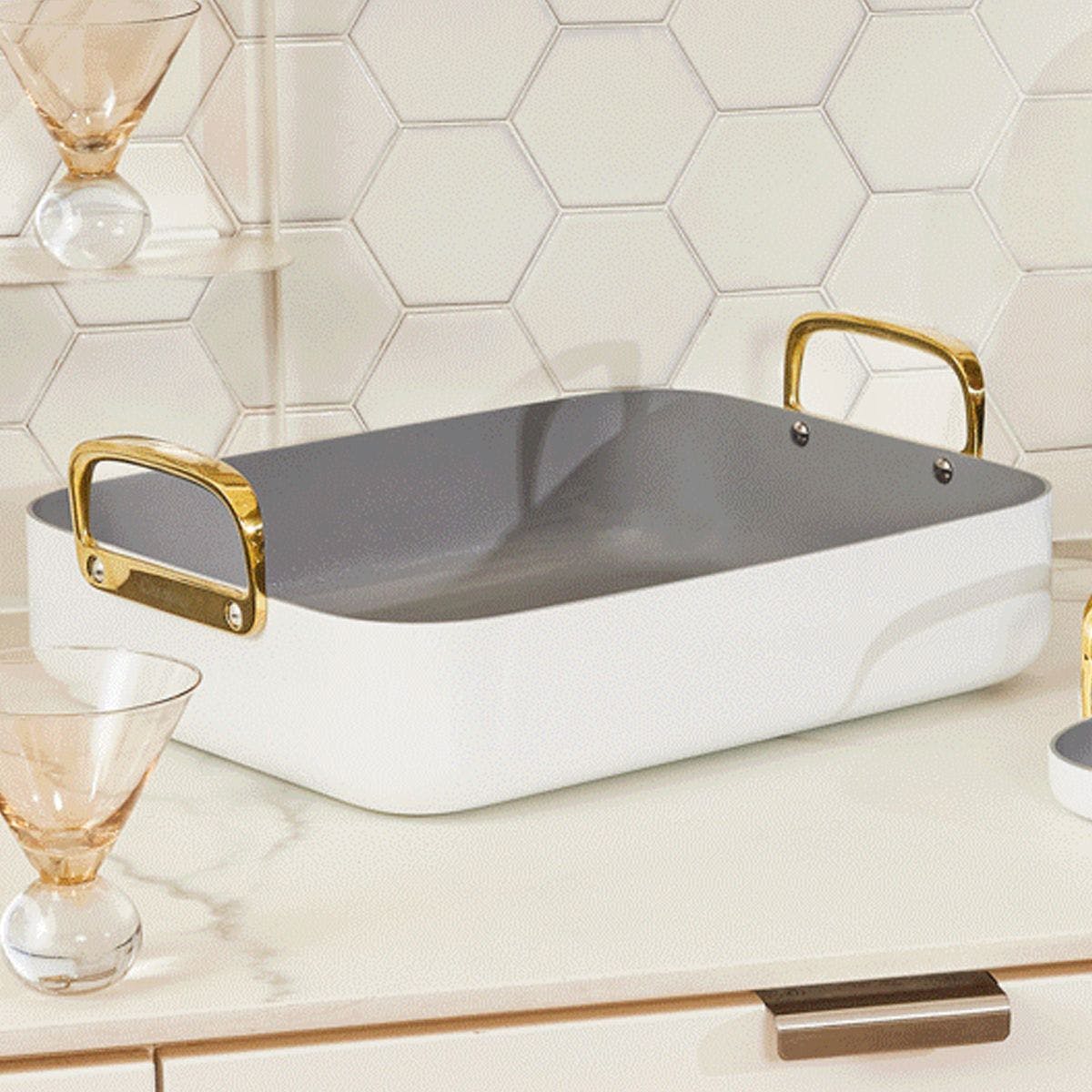 Best Premium