The best roasting pans for fall dinners are the ones that match the kind of meal you actually make: a sturdy stainless steel pan for crisp edges and easy pan sauce, enameled cast iron for cozy covered braises and gratins, cast iron or carbon steel for strong browning, and a nonstick surface when easy release matters more than deep fond. In my kitchen, the real difference comes down to heat retention, airflow, and how much moisture the pan holds onto. For chicken with squash, pork with apples, or a tray of roots meant to brown instead of steam, pan material and shape matter more than fancy extras.
Fall dinners tend to be generous, practical, and built around a few good ingredients. That is why roasting pans work so well this time of year. They handle one-pan meals with less stovetop clutter, and they leave behind drippings that can become a quick gravy or cider-spiked sauce. If you like the ease of cozy fall sheet-pan dinners, the same logic applies here: give sturdy vegetables enough room, stagger the timing, and let the oven do most of the work.
1. Stainless Steel: Best All-Around For Fall Roasts
If I had to choose one material for most fall dinners, I would start with stainless steel, especially a heavier pan with a conductive core. It is durable, nonreactive, and useful when I want to move straight from roasting into deglazing. For chicken, pork loin, turkey breast, and mixed vegetables, stainless steel gives a good balance of browning and versatility.
The main advantage is what happens after the food comes out. Those browned bits on the bottom of the pan are exactly what I want for gravy or a quick pan sauce. A splash of stock, cider, or wine loosens them nicely, as long as they are brown and not burnt. General roasting pan material guides tend to land on the same point: heavy stainless is useful because it browns well and plays nicely with acidic liquids.
The drawback is that thinner stainless pans can heat unevenly. That can leave one corner deeply browned and another pale. I get better results by using the center oven rack, rotating the pan once, and not crowding the food. Pat meat dry, dry washed vegetables well, and resist the urge to scrape too early if something sticks. Once a crust forms, it usually releases more easily.
For cleanup, let the pan cool slightly, then soak it with warm water and dish soap. If caramelized bits hang on, a paste of baking soda and water or a nonabrasive cleaner usually helps. Guidance like this from stainless-steel roasting pan care tips is worth following, especially if you want to avoid harsh scrubbing.
2. Enameled Cast Iron: Best For Covered Fall Dinners
Enameled cast iron makes the most sense for dishes that lean soft, savory, and spoonable: chicken braises, pot roast, baked pasta, gratins, and anything with stock or cream in the pan. It holds heat steadily and keeps moisture where you want it, which is helpful for meals that need a covered start and a browned finish.
This is not the pan I would choose for a huge pile of crisp Brussels sprouts or thinly cut squash meant to roast hard and fast. High sides and a heavier build naturally hold in more steam. But for a tray of chicken thighs nestled into onions and potatoes, or a bubbling root vegetable gratin, that gentle, even heat is exactly the point.
One small technique matters here: uncover toward the end if the top needs color. I also like to leave a bit of headspace in the pan so bubbling liquid does not slosh over when moving it in and out of the oven.
Care is straightforward but important. Avoid sudden temperature swings, and do not attack the enamel with steel wool. Burnt sugary residue usually responds better to soaking than force.
3. Bare Cast Iron: Best For Strong Heat Retention
Bare cast iron is a smart choice when you want steady heat and deep browning. It stays hot when cold food hits the pan, which helps with potatoes, carrots, squash, and smaller roasts. If your fall dinners tend to be hearty and simple, cast iron earns its place.
Its limitations are practical. It is heavy, and it is not ideal for letting acidic sauces sit for long stretches. A quick deglaze is one thing, but storing cider- or tomato-based leftovers in the pan is another. If seasoning matters to you, move acidic food out once dinner is done.
For maintenance, wash with warm water, dry immediately, and wipe on a very thin layer of oil before storing. If the surface looks patchy, the fix is usually patience rather than panic: clean it well, oil lightly, and rebuild the seasoning over time.
4. Carbon Steel: Best If You Want Fast Response And Browning
Carbon steel sits somewhere between stainless and cast iron in feel. It browns well, but it responds to heat changes more quickly than cast iron. That makes it useful for weeknight roasting when you want some control without losing too much surface color.
I think of carbon steel as a good pan for drier roasting jobs: sausage with onions, chicken pieces, or trays of root vegetables that need hot contact with the metal. Like cast iron, it does best when kept dry and lightly seasoned. Long, wet, acidic cooking is less friendly to the surface.
The common mistake here is soaking it too long or putting it away damp. Dry it thoroughly, add a whisper of oil, and store it dry.
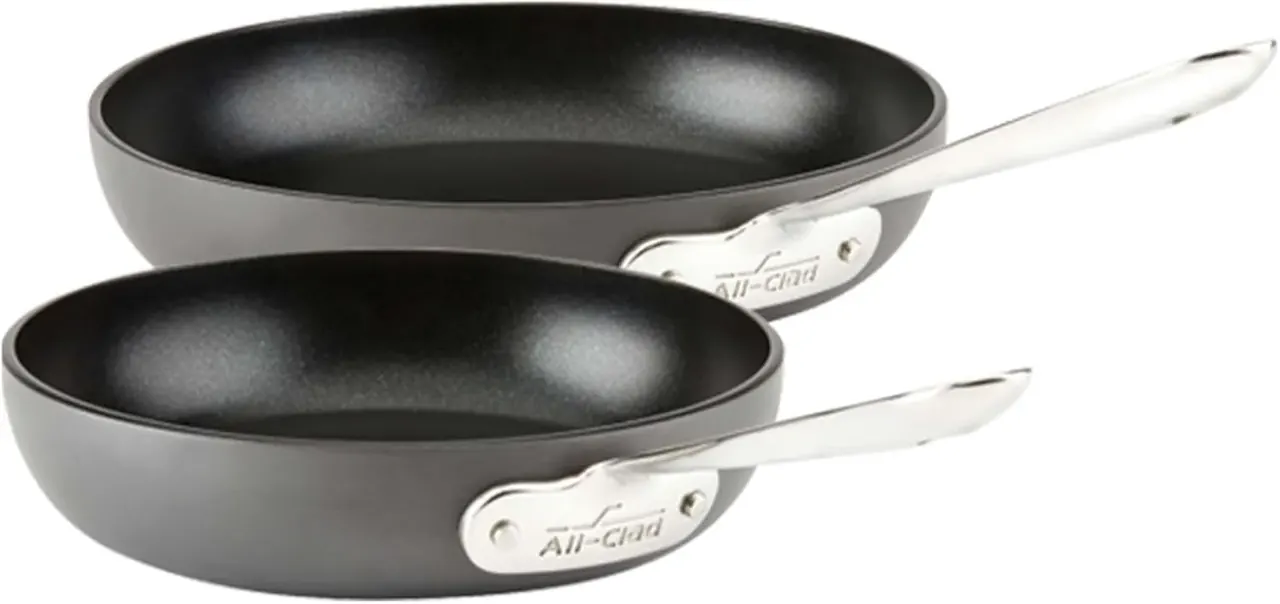
5. Nonstick: Best For Easy Release, Not For Pan Sauce
Nonstick roasting pans have a place, especially for sticky glazes or delicate foods that you do not want tearing or clinging to the pan. Cleanup is easier, and release is usually the main reason to use one.
The trade-off is flavor development. You generally will not get the same robust fond that you would in stainless steel or seasoned bare metal, so if your plan includes gravy from the drippings, nonstick is rarely the strongest option. It is better for convenience than for sauce-building.
Pay attention to heat limits and avoid rough tools. Wood or silicone is gentler, and broiling is only sensible if the pan is specifically made for it.
Shape Matters As Much As Material
A roasting pan can be the right material and still be the wrong shape. For crisp vegetables, a broad shallow pan is more useful than a deep one because it gives food direct exposure to the oven heat. For braises and gratins, higher sides help contain liquid. For poultry or a larger roast, a rack can improve airflow underneath.
That said, I do not think a rack is always necessary. For a smaller chicken dinner, setting the bird over onions, carrots, or halved squash works beautifully, and the vegetables benefit from the drippings. Use a rack when crisp skin matters more than catching every bit of flavor below.
How To Get Better Browning On Fall Dinners
The best roasting pan cannot fix overcrowding. If vegetables are pressed together, they steam. Leave space between pieces, or split the meal between two pans. Dense roots also need a head start over quicker ingredients like apples, mushrooms, green beans, or tender brassicas.
Preheating an empty metal pan can help with potatoes, squash, and thinner cuts of chicken. A hot pan shortens the slow warm-up phase and gets browning going earlier. I skip that step for delicate foods, parchment-lined setups, sugary marinades, or materials that are not meant to be heated empty.
For most fall dinners, 400 to 425°F is the sweet spot. It is hot enough to brown and still gives roots time to soften. Lower temperatures, around 350 to 375°F, are better for larger roasts or covered dishes. If a braise looks pale at the end, uncovering it and raising the heat briefly usually helps.
A finishing hit of acid matters more than people think. Lemon juice, cider vinegar, or a spoonful of mustard wakes up rich autumn flavors without adding much effort. The same practical approach shows up often in collections of autumn one-pan meals, and it holds true here too.
Making Drippings Worth Keeping
If you are roasting meat, save the drippings. Pour off excess fat, add a small amount of stock, cider, wine, or water, and scrape up the browned bits gently. If the residue is black and bitter, leave it behind. If it is deeply browned, it is useful.
For gravy, whisk flour into reserved fat or stir in a cornstarch slurry made with cold liquid. Simmer until it lightly coats a spoon. For a lighter sauce, reduce the pan liquid and finish with butter if you like. The general method is close to standard gravy-from-pan-drippings guidance: taste first, then adjust salt, pepper, herbs, or acid.
FAQ
What are some easy fall dinners to make in a roasting pan?
Chicken thighs with squash and Brussels sprouts, pork tenderloin with apples and carrots, and sausage with cabbage and potatoes are all reliable choices. The key is pairing ingredients with similar cooking times or giving dense vegetables a head start.
Can I make a chicken and vegetable dinner in a roasting pan?
Yes. Bone-in chicken thighs work especially well with potatoes, onions, carrots, or squash. Add quicker vegetables later so they do not overcook, and make sure the chicken reaches 165°F in the thickest part before serving.
What are good covered roasting pan recipes for fall?
Covered chicken braises, pot roast, short ribs, stuffed cabbage, and root vegetable casseroles all suit a lidded roasting pan. If you want browning at the end, uncover the pan for the final stretch of cooking.
What foods roast well together for an autumn dinner?
Chicken thighs with potatoes and carrots, pork with apples and squash, and sausage with Brussels sprouts and onions are strong combinations. Dense roots need smaller cuts or extra time when paired with faster-cooking produce.
The Bottom Line
For most fall dinners, a heavy stainless steel roasting pan is the most flexible choice, while enameled cast iron is especially good for covered, cozy meals. Whatever material you use, the real wins come from giving food space, matching pan depth to the dish, and making the most of the drippings at the end.
 Best Overall
 Best Value
 Best Premium