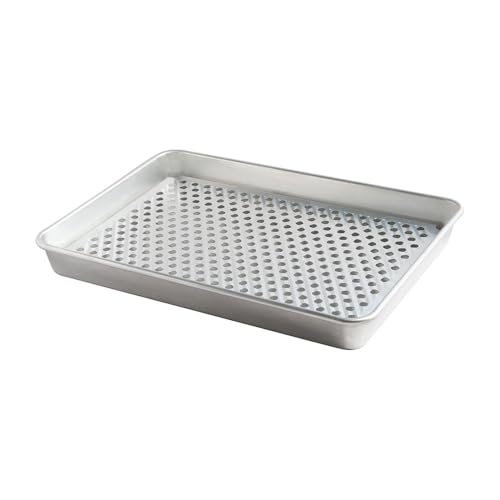
The best sheet pans for fall roasting are sturdy, rimmed half-sheet pans made from heavy-gauge bare aluminum if your priority is strong browning, or heavy-gauge aluminized steel or nonstick-coated steel if easier release matters more to you. For squash, potatoes, Brussels sprouts, onions, mushrooms, and apples, what matters most is less the label on the pan and more how the pan handles heat: it should stay flat, brown evenly, and give ingredients enough room to roast instead of steam.
Fall is the season when sheet pans earn their keep in my kitchen. Dense vegetables hold up beautifully to high heat, their edges turn sweet and savory, and a single pan can take care of dinner without much fuss. Still, the pan itself changes the result more than people sometimes expect. Material affects how quickly the underside browns, how likely food is to stick, and how much scrubbing the end of the night will ask of you.
1. Bare Aluminum: Best for Strong, Even Roasting
If I were choosing a pan mainly for vegetables, bare aluminum is the one I would put first. It heats quickly, responds well to a hot oven, and encourages the kind of browned undersides that make roasted carrots, cauliflower, and winter squash taste properly roasted instead of merely softened.
This is especially useful in fall, when so many vegetables carry a lot of moisture at the start. Roasting works best when that surface moisture can evaporate fast enough for browning to begin. A responsive metal pan helps with that. A sturdy rimmed pan also keeps oil and juices contained while still allowing air to move around the food more effectively than a deep roasting dish.
The trade-off is care and appearance. Bare aluminum can discolor over time, particularly with acidic ingredients or long contact with wet foods. That does not necessarily make it unusable, but it does mean it may not stay pristine. I would also skip harsh scrubbing when possible and avoid shocking a very hot pan with cold water, which can contribute to warping.
For fall roasting, this material makes the most sense when your priority is caramelized edges and good color on sturdy vegetables. It pairs well with high-heat roasting in the 425°F to 450°F range, especially when the vegetables are dried well and spread in a single layer.
2. Aluminized Steel or Heavy-Gauge Steel: Best for Durability and Everyday Use
If you want something practical and durable, heavy-gauge steel or aluminized steel is a strong middle ground. These pans are often chosen for their sturdiness and steady feel, and in a well-heated oven they can roast fall vegetables very effectively.
Compared with bare aluminum, steel-based pans may brown a little less aggressively if the pan is thin or the oven runs cool, but a heavier pan helps maintain consistent contact with heat. That matters when you are roasting mixed trays of sweet potatoes, Brussels sprouts, onions, and sausage and want everything to color at a similar pace.
A useful overview of how roasting-pan materials affect browning, durability, and cleanup appears in this roasting-pan material guide. The broad takeaway matches what I keep in mind at home: heavier pans tend to behave more predictably, and predictable heat is a big part of good roasting.
Care is straightforward. Let the pan cool slightly, soak if needed, and clean with warm soapy water and a nonabrasive scrubber. If browned bits cling, that usually says more about sugars and proteins than about a problem with the pan itself. In fact, some sticking is normal once maple, balsamic, or meat drippings enter the picture.
3. Nonstick-Coated Sheet Pans: Best for Easy Release and Easier Cleanup
Nonstick pans are convenient, particularly if you roast delicate items, use sticky glazes, or simply want less cleanup. Apples added at the end of a sheet-pan dinner, glazed onions, or softer vegetables can release more easily from a nonstick surface.
That said, convenience comes with limits. Nonstick coatings are not always the best match for repeated very high-heat roasting, and they benefit from gentler care. I would avoid abrasive scrubbers, skip metal utensils, and follow the coating maker's heat guidance. If your style of roasting leans hot and hard, with lots of 450°F sessions and deeply caramelized vegetables, a bare metal pan usually makes more sense.
Nonstick also tends to be slightly less ideal if your main goal is the deepest possible browning on the bottom of the vegetables. It is useful, but it often prioritizes release over intensity.
What Actually Makes a Sheet Pan Good for Fall Roasting
Material matters, but three details matter just as much.
- A rimmed shape that contains oil and juices without acting like a deep casserole dish.
- Heavy-gauge construction that resists warping and holds heat more steadily.
- Enough surface area to keep vegetables in a single layer with visible gaps between pieces.
That last point is the one I would not compromise on. Crowding is the fastest route to pale, soft vegetables. If the pan is covered edge to edge, moisture gets trapped and ingredients steam. Guidance on preventing soggy one-pan meals in this autumn sheet-pan dinner article makes the same point clearly: spacing is part of the cooking method, not an optional detail.
I also pay attention to finish. Darker pans tend to brown faster, which can be useful, but sugary glazes can scorch sooner on them. If you are roasting maple-coated squash or balsamic onions, it helps to check the underside earlier than usual.
How I Use a Sheet Pan for Better Fall Roasting
The best pan still needs the right setup. For most fall vegetables, I roast at 425°F. It is hot enough to brown well without making mixed trays too hard to manage. I move closer to 450°F for smaller, drier pieces when I can watch them more closely.
I cut dense vegetables smaller than fast-cooking ones. Potatoes, carrots, parsnips, beets, and winter squash need more time than mushrooms, onions, apples, or greens. If I want them all on one pan, I either stagger the timing or give the dense vegetables a head start.
These categories are a useful way to think about it:
- Slow: potatoes, carrots, parsnips, beets, winter squash.
- Medium: Brussels sprouts, cauliflower, broccoli, onions, mushrooms.
- Fast: apples, asparagus, peppers, sturdy greens.
I dry vegetables thoroughly after washing, toss them with oil in a bowl instead of on the pan, and season before roasting. Wet produce plus a crowded pan is exactly how you end up with a tray full of steam. This sheet-pan technique guide also emphasizes timing and spacing, and those two habits really are the difference between golden edges and soggy vegetables.
For mixed meals, I add proteins according to their cooking speed. Chicken thighs and sausages can start earlier; fish usually goes on later. I would not rely on appearance alone for doneness with meat or fish. A thermometer is the simpler, safer choice.
Common Problems and How to Avoid Them
Vegetables turn soggy instead of browned
This usually comes from overcrowding, excess moisture, or too low an oven temperature. Dry the vegetables well, use two pans if needed, and let the oven fully preheat before roasting.
Undersides burn before centers are tender
This can happen with dark pans, sugary glazes, or pieces that are cut too small. Lower the heat slightly, add sweet glazes later, and keep dense vegetables a bit larger.
Food sticks badly
Often the vegetables were turned too soon. Once a browned crust forms, food usually releases more easily. Parchment can help with cleanup and sticking, though it may soften underside browning a bit. It is useful, just not always ideal if maximum color is the goal.
The pan warps in the oven
That is more common with thinner pans and with dramatic temperature changes. A heavier pan is less likely to do it, and letting the pan cool before washing helps.
FAQ
What material is best for roasting fall vegetables on a sheet pan?
Heavy-gauge bare aluminum is usually the best choice for strong browning and even roasting. If you want easier release and cleanup, coated steel or nonstick can be practical, though they may not brown quite as assertively.
What temperature should I use for sheet-pan roasting in the fall?
425°F is the most reliable starting point for mixed vegetables and one-pan meals. Use 450°F for smaller, drier pieces if you want faster browning and can keep a closer eye on the pan.
How do I keep roasted vegetables from getting soggy?
Dry them well, coat them lightly with oil, and leave space between pieces. If the pan looks full, split the vegetables between two pans instead of forcing them into one crowded layer.
Can I roast chicken and vegetables on the same sheet pan?
Yes, as long as you match cooking times sensibly and check the chicken with a thermometer. Dense vegetables can start first, with quicker vegetables added later so everything finishes well.
The Bottom Line
For fall roasting, the best sheet pan is a sturdy, rimmed, heavy-gauge pan that holds heat well and gives vegetables room to breathe. Bare aluminum is my first pick for browning, while steel-based and nonstick options can be useful if durability or easy release matters more in your kitchen.
 Best Overall
 Also Great
 Best Premium