The best slow cookers for fall dinners are the ones that handle gentle, steady braising well and make weeknight meals easier, but the bigger story is how you use them. In autumn, a slow cooker shines with chuck roast, pork shoulder, chicken thighs, beans, root vegetables, squash, and sturdy greens—ingredients that improve with time instead of falling apart in the wrong way. If I want better results, I treat it less like a magic shortcut and more like a low, moist oven: build flavor early, add delicate ingredients late, and finish the dish before serving.
1. Why slow cookers work so well for fall dinners
Cool weather ingredients are naturally suited to long, moist cooking. Tougher cuts with more connective tissue—like beef chuck, pork shoulder, short ribs, and chicken thighs—soften gradually and become tender in a way quick cooking cannot match. That same slow heat also suits carrots, parsnips, turnips, rutabaga, sweet potatoes, and winter squash, especially when they are cut into large, even pieces.
I think of a slow cooker as a braising tool. It is best for foods that benefit from time, not for every protein or vegetable in the kitchen. Lean cuts such as chicken breast can dry out if left too long, even in liquid. That is one reason advice on common slow-cooker mistakes tends to focus on timing and ingredient choice rather than assuming every recipe is hands-off.
Sturdy greens fit well here too. Kale, collards, and cabbage can hold their own in a long cook, though I still like adding kale toward the end when I want a brighter finish.
2. Choose the right ingredients from the start
The easiest way to get a good fall dinner is to start with ingredients that actually want this style of cooking. For meat, that usually means collagen-rich cuts. For produce, it means firm vegetables that can sit in heat for hours without turning to mush.
- Best meats: chuck roast, pork shoulder, short ribs, chicken thighs, turkey thighs
- Best vegetables: carrots, onions, celery, parsnips, sweet potatoes, turnips, rutabaga, butternut squash
- Good plant-based staples: lentils, dried beans prepared correctly, canned beans added later, barley, farro
- Best greens: kale, collards, cabbage
I am more cautious with delicate foods. Seafood, pasta, dairy, peas, spinach, and fresh herbs usually belong near the end. The same goes for canned beans if I want them to keep their shape.
One important safety note: raw kidney beans should not go straight into a slow cooker unless they have been properly boiled first. Slow cooking alone may not make them safe.
3. Build flavor before the lid goes on
A slow cooker can deepen flavors over time, but it cannot create every layer on its own. If I have a few extra minutes, browning meat first makes a real difference, especially for pot roast, beef stew, and braised chicken dishes. Browning onions, mushrooms, or tomato paste can help too.
That said, I do not think browning is mandatory for every dinner. A strongly spiced chili or bean stew can still be very good without it. It is simply one of the clearest ways to add more savory depth.
Seasoning also needs attention. Long cooking can soften flavors, so dishes often need a final adjustment at the end. I usually look for three things before serving:
- Salt, added gradually after tasting
- Acid, such as cider vinegar, lemon juice, or tomatoes
- Freshness, from herbs, scallions, or a final grind of black pepper
For fall dinners, dried thyme, sage, cumin, chili powder, smoked paprika, rosemary, and cinnamon all fit naturally. A little mustard or Worcestershire sauce can also sharpen a rich stew without making it taste heavy.
4. The best fall dinner formats to keep on repeat
I find it more useful to rotate a few dependable formats than to chase brand-new recipes every week. Slow cookers are especially good at meals that hold well, reheat well, and can become tomorrow’s lunch with very little extra effort.
Hearty soups and stews
These are the easiest starting point because the liquid becomes part of the meal. Chicken and wild rice soup, beef barley stew, lentil soup, white chicken chili, sausage and kale soup, and pumpkin or black bean chili all fit comfortably into a fall routine.
Saucy braises
Pulled pork, shredded chicken, pot roast, and tomato-based braises work well over mashed potatoes, polenta, noodles, rice, or roasted squash. This is where a slow cooker really earns its place: one dinner turns into several easy meals.
Bean, grain, and vegetable dinners
Lentils with tomatoes and greens, black beans with sweet potatoes, mushroom barley stew, and chickpea-based stews are all practical choices for meatless nights. Seasonal ingredient roundups often highlight butternut squash, apples, pumpkin, and root vegetables for exactly this reason—they stand up well to the method.
5. Get the timing right for better texture
The biggest improvement most people can make is to stop treating the slow cooker like a single dump-and-go step. Texture depends on timing. Dense ingredients can cook all day. Delicate ones should not.
Ingredients that usually handle a long cook well
- Chuck roast, pork shoulder, chicken thighs
- Onions, carrots, celery, potatoes
- Winter squash in large chunks
- Dried lentils and some beans prepared appropriately
Ingredients that usually go in later
- Pasta
- Dairy such as cream, milk, or cheese
- Seafood
- Fresh herbs
- Peas, spinach, zucchini, and other tender vegetables
I also try to keep the lid closed. Every peek drops the temperature and stretches the cooking time. It sounds small, but it matters, especially when dinner timing is already tight.
6. Avoid the most common slow-cooker mistakes
Most disappointing slow-cooker dinners come down to four issues: too much liquid, weak seasoning, overcooking, or poor ingredient timing.
Too much liquid
Because steam stays trapped, a slow cooker needs less liquid than a stovetop pot. Meat and vegetables release moisture as they cook, especially mushrooms, tomatoes, zucchini, and frozen vegetables. If the finished dish seems thin, I either reduce the liquid separately on the stove or thicken it with a cornstarch slurry. Mashed beans, blended vegetables, or a small amount of instant potato flakes can also add body.
Mushy vegetables
Cut root vegetables into generous pieces and place the densest ones near the bottom, where the heat is strongest. Add tender vegetables near the end.
Dry meat
This usually starts with the wrong cut or too much time. Tougher, fattier cuts are often better choices for this appliance, as noted in guidance on slow-cooker fall comfort foods and common mistakes. For lean meats, check early instead of assuming they need an all-day cook.
Flat flavor
Finish the dish. A stew that tastes dull often needs salt, acid, herbs, or all three. That final adjustment is what makes a slow-cooker dinner taste intentional instead of merely soft.
7. Store leftovers properly and make them useful
One of the best things about a slow cooker in fall is that it often gives you tomorrow’s meal too. I think leftover handling is part of the recipe, not an afterthought.
Move extras into shallow containers and refrigerate them promptly rather than leaving food in the switched-off cooker. It is also best not to put a full hot insert straight into the refrigerator. Food-safety guidance on storing slow-cooker leftovers makes the same point: separate the food from the cooker for faster, safer cooling.
When reheating, warm only what you plan to eat and stir soups or sauces so the center heats evenly. Leftovers can often become something new:
- Beef stew into pot pie filling
- Shredded chicken into tacos or grain bowls
- Pulled pork into quesadillas
- Chili over baked potatoes
- Lentils tucked into roasted squash
I like to keep toppings separate so the second meal feels fresher—herbs, sour cream, grated cheese, cabbage, avocado, or toasted seeds can change the whole bowl.
FAQ
What are some easy slow cooker recipes for fall dinners?
Beef stew, chicken chili, pot roast, lentil soup, pulled pork, sausage with white beans, and chicken with root vegetables are all reliable choices. They use sturdy ingredients, need limited last-minute work, and reheat well.
What are the best healthy slow cooker meals for autumn?
I would look for meals built around beans, lentils, vegetables, and whole grains, with moderate amounts of meat if you want it. Lentil and kale soup, black bean and sweet potato chili, chicken vegetable stew, and barley-based soups all fit nicely.
Which vegetarian meals work well in a slow cooker?
Lentil soup, bean chili, chickpea curry, split pea soup, and mushroom barley stew all work well. Add canned beans, greens, pasta, and dairy later if you want a better texture.
What foods should not be put in a slow cooker?
Raw kidney beans that have not been properly boiled first are a key one to avoid. I am also careful with large frozen meat pieces, delicate seafood for long cooking, pasta added too early, and dairy that can separate after hours of heat.
The Bottom Line
For fall dinners, slow cookers are at their best with sturdy vegetables, forgiving cuts of meat, and soups or braises that benefit from time. Choose the right ingredients, keep an eye on timing, and finish the dish properly, and you will get meals that feel easy without tasting lazy.
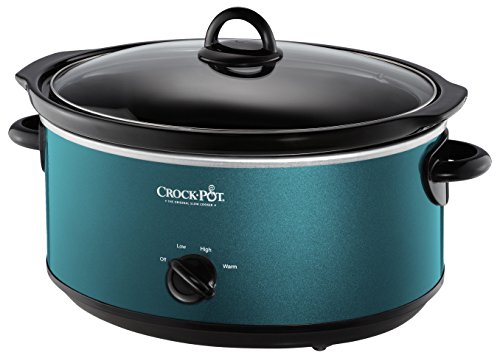 Best Overall
 Best Premium