From This Page
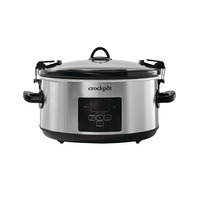 Best Overall
Recommended by Stripes & Willows
Best Overall
Best Overall
The best slow cookers for Thanksgiving sides are the ones you use for dishes that stay creamy, moist, and forgiving over time: mashed potatoes, stuffing, sweet potatoes, corn, gravy, and soft vegetable casseroles. I would not treat a slow cooker as a catch-all holiday appliance; it shines most when it keeps a side hot and steady while the oven is busy with turkey, rolls, and anything that needs crisp edges.
A slow cooker earns its place on Thanksgiving when it handles a side that benefits from low, even heat or can hold well after cooking. That usually means soft, spoonable, or gently braised dishes rather than anything that depends on browning.
The strongest candidates are mashed potatoes, stuffing, sweet potato casserole, glazed carrots, creamed corn, corn pudding, gravy, cranberry sauce, and creamy green beans. Many slow-cooker Thanksgiving side collections lean on these same categories for a reason: they tolerate a little waiting around without falling apart.
I would skip the slow cooker for sides that need crisp tops, fast evaporation, or a roasted finish. That means it is usually not the right tool for anything meant to come out bubbly and browned, or vegetables you want with sharp edges and no extra moisture.
Not every side behaves the same in a slow cooker, and that difference matters more than the recipe title.
Mashed potatoes are one of the best fits. They hold well, reheat well, and free up both oven and stovetop space. The key is keeping them a little looser than your final texture, since they thicken as they sit. Warm milk, cream, or butter can be stirred in later to bring them back.
Stuffing also works well, especially if you want a softer, more spoonable style. It needs careful broth management. Too little liquid leaves dry corners; too much turns it heavy. I keep toppings or crisp bits for the last minute, since the slow cooker will not give you that oven-baked top.
Sweet potatoes, carrots, parsnips, and squash are reliable because they soften gradually and keep their shape if cut into larger pieces. They do best with just enough liquid to create steam, not enough to stew them into mush.
Creamed corn, cheesy corn, corn pudding, and green bean casserole-style dishes are practical because they stay soft and easy to serve. These are the kinds of sides that can sit through the last-minute rush and still make sense on the table.
Gravy is less about cooking and more about holding. I think of the slow cooker as a warm, stable place for already-hot gravy, not the quickest way to reheat a cold batch from the refrigerator.
The right slow cooker for Thanksgiving sides is really the right size for the amount of food you are serving. A cooker should not be packed to the top, and it also should not hold a tiny amount of food that will dry out around the edges. As a general rule, sides cook and hold best when the insert is around half to two-thirds full.
For holiday planning, I like to think in terms of jobs rather than features. One slow cooker might be assigned to a long-cooking stuffing, another to mashed potatoes that are finished early and held, and another to gravy or a vegetable side that just needs gentle heat near dinner.
If you only have one cooker, the smartest approach is sequencing. Use it first for the side with the longest cook time, then move that dish to a covered serving vessel if needed and use the cooker to reheat or hold the next side. That kind of staggered plan matters more than trying to force every dish into the appliance at once.
Slow cookers are helpful on Thanksgiving because so many sides can be made ahead, but the real success comes from reheating them properly. I would not put a very large, fully chilled, dense casserole into a slow cooker and hope for the best. It warms too slowly in the center, and the edges often overcook first.
A better method is to chill cooked sides in shallow containers, then reheat them promptly by the stovetop or microwave if needed before transferring them to the slow cooker for holding. That is especially useful for mashed potatoes and gravy.
Different dishes need different fixes as they reheat:
Food safety matters here too. Hot sides should stay at 140°F or above during service, and perishable dishes should not linger at room temperature. Guidance from the U.S. food safety charts is worth keeping in mind during a long holiday buffet.
For Thanksgiving sides, I would focus less on special settings and more on basic usefulness. The most helpful slow cooker is one that holds heat steadily, has a secure lid, and gives you enough room for the amount you are making.
A lid that fits well matters because every time heat escapes, cooking slows down and surfaces dry out. A removable insert is helpful for transferring food and cleaning up after a long day. A warm or low holding setting is especially useful for mashed potatoes, gravy, and casseroles that are already done and just need to stay ready.
What matters less is novelty. Holiday cooking is easier when the appliance is simple and predictable. For sides, steady heat and enough capacity beat complicated extras every time.
The biggest holiday slow-cooker mistakes are usually about moisture, timing, and overconfidence.
Frozen vegetables deserve a special note because they often release more water than expected. Green beans and corn can turn a carefully balanced casserole loose if you do not account for that. I would rather start with less liquid and adjust later than spend the final half hour trying to rescue a watery side.
If you want a broader look at recipes designed for this format, slow-cooker Thanksgiving recipe roundups show just how often the best candidates are soft, warm, and easy to hold.
Thanksgiving sides often sit longer than a regular weeknight dinner, so holding matters almost as much as cooking. Keep the lid on whenever possible, stir from the bottom now and then, and have extra liquid nearby for anything thickening in the pot.
For transport, the food should be fully cooked before it goes into the car. Keep the insert level, covered, and insulated, then plug it in promptly once you arrive. Slow cookers are useful for maintaining heat, but they are not the fastest fix for food that has already cooled too much.
I also like to keep crunchy toppings, toasted nuts, fresh herbs, fried onions, or marshmallows separate until the very end. That one step preserves texture better than almost anything else.
The most reliable choices are mashed potatoes, stuffing, sweet potatoes, glazed carrots, corn pudding, gravy, cranberry sauce, and creamy vegetable casseroles. These all handle gentle heat well and do not rely on a crisp finish.
Yes. They are one of the best slow-cooker sides. Cook until tender, mash with warm dairy and butter, then hold on low or warm, adding more liquid as needed so they stay soft rather than gummy.
Many components can be prepared a day ahead. Chill them in shallow containers, then reheat gently before transferring to the slow cooker for holding. Bread for stuffing, dairy, and crunchy toppings are often better added closer to serving.
Mashed potatoes, stuffing, sweet potatoes, gravy, and corn dishes tend to do well if the liquid is measured carefully. The most common cause of watery results is treating the slow cooker like an uncovered pot and adding too much broth, milk, or water.
The best slow cookers for Thanksgiving sides are the ones used with intention: for dishes that stay tender, creamy, and stable over time. If you match the appliance to the right kind of side and manage moisture carefully, it can take real pressure off the holiday kitchen.
This page contains affiliate links. If you buy through them, Stripes & Willows may earn a commission at no extra cost to you — it never affects what we recommend.
