Guide
Best Cookie Baking Tools To Give As Christmas Gifts
Our honest guide to best cookie baking tools to give as christmas gifts — what actually matters, what to skip, and how to choose well.
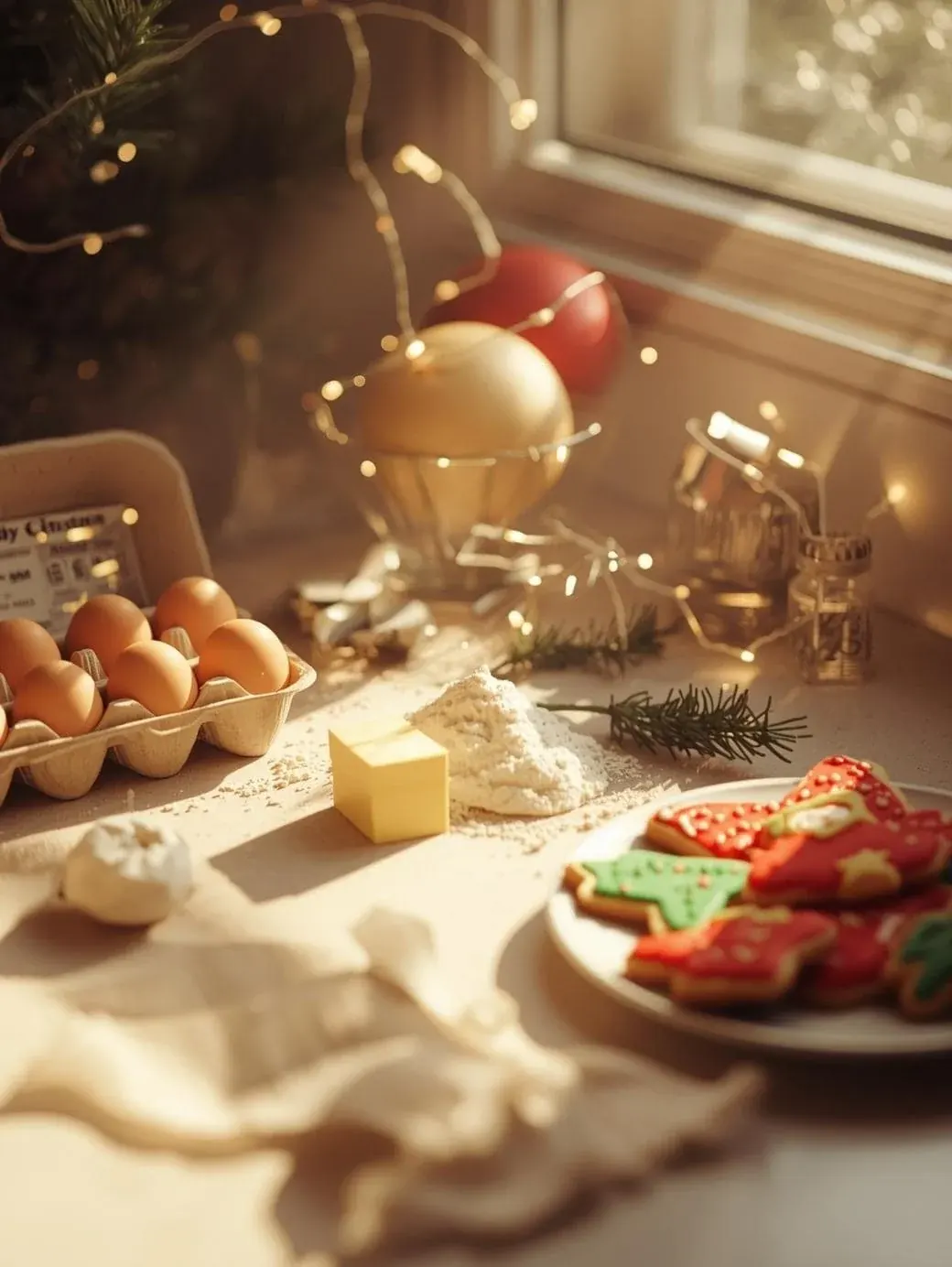
Our honest guide to best cookie baking tools to give as christmas gifts — what actually matters, what to skip, and how to choose well.
 Best Overall
 Best Value
The best cookie baking tools to give as Christmas gifts are the ones that make a baker’s usual routine easier: a dependable baking sheet, a digital scale, a good cookie scoop, sturdy cooling racks, or simple decorating tools that match how they actually bake. I would skip bulky novelty kits and choose one or two well-made essentials that improve consistency, save time, or help cookies look cleaner batch after batch.
When I choose a baking gift, I try to picture the recipient’s real cookie habits first. Someone who makes a few trays of chocolate chip cookies in December needs different tools than someone who spends days piping royal icing snowflakes.
For beginners, the most helpful gifts remove guesswork. A digital scale, measuring spoons, mixing bowls, a whisk, a flexible spatula, a cookie scoop, and solid baking sheets cover a surprising amount of ground. These basics help with drop cookies, bars, and simple holiday baking without crowding the kitchen with pieces that may never get used.
For frequent holiday bakers, duplicate essentials can be more useful than anything fancy. Extra sheet pans, cooling racks, parchment, and portion scoops keep a busy baking day moving. Food Network’s holiday cookie tool list reflects that same practical mix of prep, baking, and decorating gear.
For decorating-focused bakers, I look for tools that improve control and organization: piping bags, tips, couplers, squeeze bottles, scribe tools, and a divided case or lidded container for all the tiny parts that tend to scatter.
If I am not sure what to give, I come back to the small group of tools that nearly every cookie baker uses constantly.
A scale is especially helpful because flour is easy to mismeasure by volume. A scoop matters for the same reason: cookies that are similar in size bake at a similar rate. That sounds basic, but it solves a lot of uneven browning and overbaked edges.
Baking sheets deserve more thought than people often give them. Thin pans can create hot spots, while very dark pans tend to brown the bottoms faster. I usually look for sturdy, light-colored sheets because they offer more predictable results across different cookie recipes. Sally’s Baking Addiction has a useful overview of cookie baking essentials that lines up closely with this basics-first approach.
Cut-out cookie bakers need control more than quantity. If that is the style your recipient loves, I would think in terms of even thickness, sharp edges, and easy transfer from counter to pan.
A smooth rolling pin is useful, but rolling guides can be even better as a gift because they help produce an even dough thickness without much fuss. That leads to more uniform baking and cleaner stacks for gifting or decorating.
Sharp cookie cutters are another practical choice. Clean edges matter. A flimsy cutter can distort shapes before they even reach the oven, while a firmer cutter tends to stamp more clearly. Seasonal shapes are always welcome if the baker actually uses them, but I would rather give a small set of useful shapes than a giant tin full of duplicates.
Two underrated tools in this category are a bench scraper and a thin offset spatula. A bench scraper helps divide dough and lift sticky pieces neatly. An offset spatula makes it easier to move delicate cut-outs without stretching them out of shape.
One common mistake with cut-out cookies is adding too much flour during rolling. It solves sticking in the moment but can leave cookies dry or dusty. Parchment helps here: dough can be rolled between sheets, chilled if needed, and transferred with less extra flour.
Decorating tools make great gifts when they match the baker’s actual style. I would not hand a full piping setup to someone who mostly bakes rustic oatmeal cookies, but for a decorator, the right small tools can make the process much smoother.
BYkooc Christmas Cookie Cutter Set,18 Piece Stainless Steel Winter Christmas Cookie Cutters Shapes for Baking - Christma
Shop at Amazon →Piping bags and couplers are useful because they make tip changes easier mid-session. A few basic tips often go further than a huge assortment. Small round tips handle outlining and detail work, and slightly larger openings help with flooding or filling.
Squeeze bottles are helpful for flood icing and controlled drizzles. A scribe tool or even a fine-point detail tool is useful for nudging icing into corners, popping air bubbles, and cleaning up lines. Small bowls for mixing colors, a little spatula for adjusting consistency, and a tray or rack for drying decorated cookies all help keep the setup calm instead of chaotic.
I also think storage matters here. Tiny decorating tips and couplers are easy to lose, so a simple divided organizer can be more useful than adding more individual pieces. The New York Times Wirecutter’s guide to holiday cookie baking equipment also emphasizes practical shaping and decorating gear over novelty.
Materials affect how a tool behaves, and that can shape how useful a gift really is.
Silicone baking mats are reusable and tidy, but they can slightly reduce browning on cookie bottoms. Parchment is less permanent, though it is versatile, easy to trim, and very helpful for sticky dough or fast cleanup. If the baker likes to make lots of cut-outs, parchment is especially handy.

Advanced Cookie Sheet with Silicone Grips
Shop at Anolon →Metal cutters tend to give crisper edges than lighter plastic versions. Plastic can still be useful, especially for family baking, but it is worth checking that the tool feels sturdy enough to keep its shape.
Wood rolling pins stay comfortable in use and do not conduct heat quickly, but they need a little more care. Stainless steel tools resist staining and odors, while silicone spatulas are practical because they scrape bowls clean and handle heat well.
Pan material matters too. Lighter-colored metal pans usually bake more evenly than very dark ones, which can push cookie bottoms toward overbrowned before the centers are ready. That said, pan color is not the only variable. Cookie spread also changes with dough temperature, butter softness, oven accuracy, and flour measurement. I never assume the pan is the only problem.
A good baking gift should be easy to keep in good shape. That is especially true with cookie tools, since many of them are small, metal, and easy to damage with rough storage or rushed cleanup.
Piping tips should be washed soon after use so icing does not dry inside. A small brush helps clean narrow openings better than a sponge alone. Metal cutters and tips need to be dried thoroughly, especially around seams, to help prevent rust.
Wooden tools should be hand-washed and dried promptly. Silicone mats should be cleaned gently and stored flat or rolled in a way that does not crease them. Baking sheets last longer if they are allowed to cool before washing; running a hot pan under cold water can contribute to warping.
The biggest gifting mistake I see is buying a large set just because it looks generous. More pieces do not always mean more usefulness. A compact set with tools that do different jobs well is usually better than a big assortment filled with near-duplicates. It is also smart to think about storage. A baker with a small kitchen may appreciate one excellent scoop and a pair of racks more than a large boxed collection.
The safest choices are durable, often-used tools: baking sheets, cooling racks, a digital scale, a cookie scoop, or practical decorating supplies. I would match the gift to the kind of cookies they bake most often rather than choosing a generic set.
A digital scale, measuring spoons, mixing bowls, a whisk, a flexible spatula, baking sheets, parchment, cooling racks, and a cookie scoop are the most useful starting point. Those tools cover the full basic workflow without adding clutter.
Piping bags, couplers, round tips, squeeze bottles, small spatulas, scribe tools, and trays or racks for drying are all helpful. Organization matters too, since decorating is much easier when tips, colors, and tools are easy to reach.
Many cookies bake around 350°F, but the right temperature depends on the recipe and the texture you want. I follow the recipe first, then pay attention to pan color, dough temperature, and oven accuracy if the results seem off.
The best cookie baking tools to give as Christmas gifts are practical, durable, and matched to the baker’s real habits. If you keep the focus on consistency, ease, and storage, it is hard to go wrong with a thoughtful essential over a flashy set.

Paige Gilmore
Founder of Stripes & Willows — recipe creator, food photographer and stylist. Every guide is written to make honest, useful kitchen decisions easier.
More about Stripes & Willows →This page contains affiliate links. If you buy through them, Stripes & Willows may earn a commission at no extra cost to you — it never affects what we recommend.