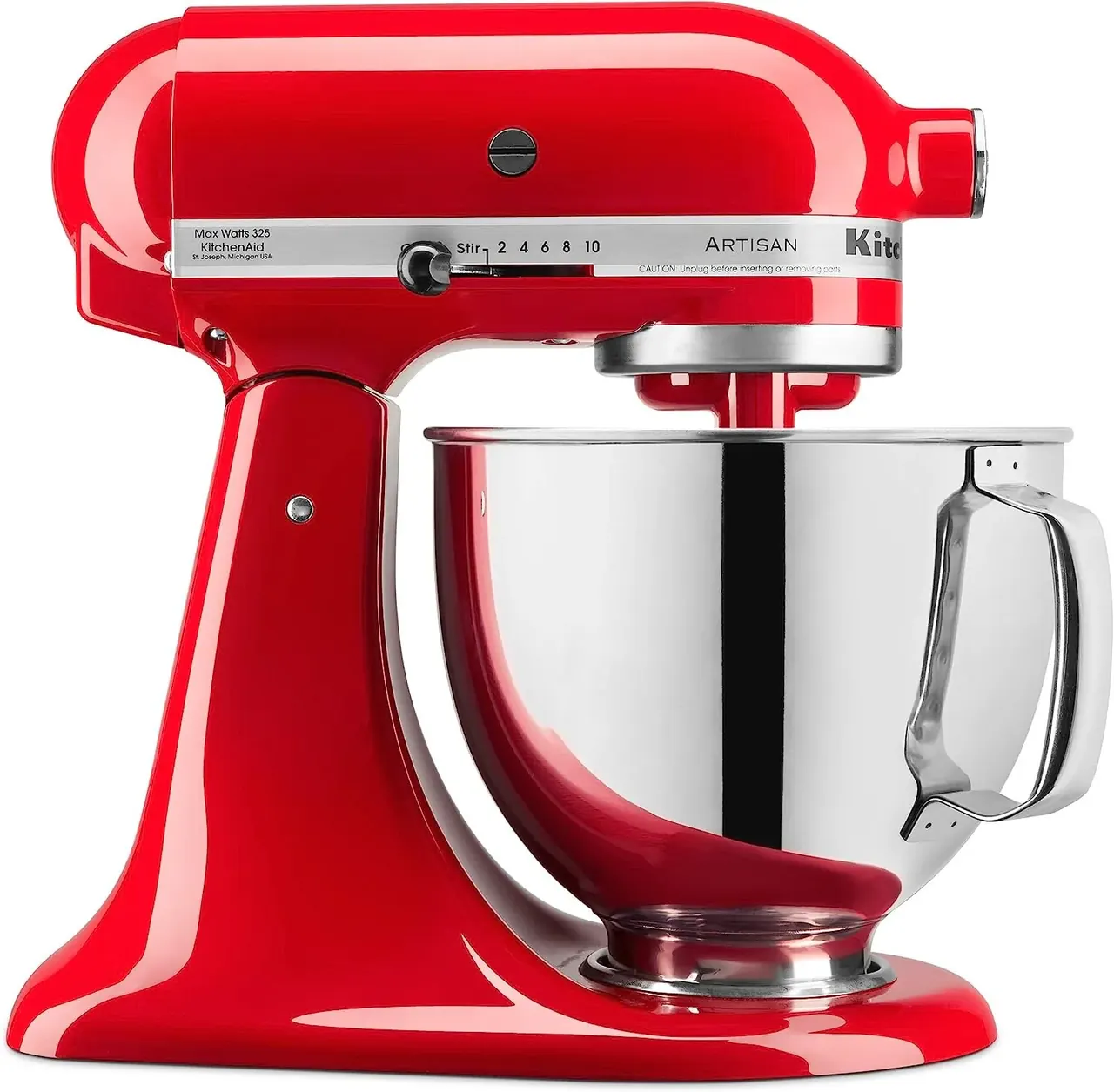
The best stand mixer for Thanksgiving baking is the one that fits the way I actually bake in November: the batch sizes I really make, the doughs I rely on, and the counter space I can spare. For most home cooks, that means focusing less on hype and more on bowl capacity, steady low-speed kneading, easy bowl access, and the three core attachments that handle pies, rolls, cookies, cakes, whipped cream, and frosting.
1. Why a stand mixer earns its keep at Thanksgiving
Thanksgiving baking tends to stack tasks on top of each other. Pie dough needs chilling, rolls need kneading and rising, cookies need portioning, and frostings and whipped toppings often come together while something else is already in the oven. A stand mixer helps because it gives me consistent mixing without tying up both hands.
That matters most when I am making more than one thing at once. I can cream butter and sugar while gathering dry ingredients, or knead a yeast dough while clearing space for the next pan. It is less about speed alone and more about keeping the whole kitchen moving.
Still, a stand mixer is not a shortcut for every technique. Pie crust often benefits from a lighter hand, and delicate ingredients like whipped egg whites, nuts, or fruit are usually better folded in manually. The machine is most helpful when I use it for the repetitive work and stop before it overdoes the job.
2. Choose capacity for your real holiday batches
If I am picking a stand mixer for Thanksgiving baking, capacity is the first question I ask. The right bowl size depends on the largest batch I will make regularly, not the once-in-five-years fantasy of baking for thirty people.
A moderate-capacity mixer is enough for many home kitchens and handles standard batches of cookies, cake batter, frosting, whipped cream, and dinner rolls well. A larger bowl can be useful if I routinely double recipes or mix substantial bread dough, but oversized bowls are not always ideal for small quantities.
I also try not to confuse bowl volume with usable capacity. Holiday doughs rise, crawl up hooks, and throw flour if the bowl is packed too full. Dense mixtures especially should stay within the manufacturer’s limits. If a recipe feels ambitious for the machine, dividing it into two batches is usually the better call.
Design matters too. Tilt-head mixers are often easier to access for scraping and swapping attachments. Bowl-lift styles can feel steadier with heavier doughs. Neither is automatically better; it depends on what I make most.
3. What matters more than raw power
For Thanksgiving baking, I care less about headline numbers and more about how a mixer handles dense dough without strain. Soft cake batter and whipped cream ask very little of a machine. Brioche, whole-grain dough, and big batches of rolls are different.
That is why wattage alone does not tell the whole story. Gear design, torque, speed control, and the maker’s dough guidance all matter. A machine that behaves well at low speed with a heavy dough is far more useful than one that looks powerful on paper but struggles in practice.
When I am kneading, I keep the speed low and watch the dough and the machine. If the mixer starts walking, sounds strained, smells hot, or the dough is climbing aggressively up the hook, that is a sign to stop, scrape down, and reassess. A divided batch is easier on the motor and often produces better texture too.
If you are comparing general features, this stand mixer guide is a helpful reminder to buy around actual baking habits, not occasional ambition.
4. The attachments that matter most for Thanksgiving baking
I keep coming back to three attachments.
- The flat beater is the workhorse for cookies, cake batters, creamed butter and sugar, many frostings, mashed fillings, and some pie components.
- The whisk is for whipped cream, egg whites, meringue, and mixtures that need aeration.
- The dough hook is the one I want for dinner rolls, cinnamon rolls, and enriched bread doughs.
That basic trio covers almost every classic Thanksgiving baking task. Extras can be useful, but they are secondary. A flexible-edge beater may cut down on scraping for softer batters, though it does not replace stopping and checking the bowl. A pouring shield can help with flour clouds, especially when I am moving quickly.
This overview of stand mixer attachments and baking tasks does a good job matching common tools to baking jobs without overcomplicating it.
5. Match the mixer to the recipe, not the other way around
Thanksgiving baking goes more smoothly when I use the mixer in a way that suits each recipe.
Pie dough
For pie crust, I mix briefly and stop early. The dough should still look shaggy, with visible bits of butter. If it turns smooth and fully uniform in the bowl, it has probably gone too far. I would much rather finish bringing it together by hand than lose flakiness to overmixing.
Yeast rolls and enriched doughs
For dinner rolls and richer breads, the dough hook is the right tool. I add flour gradually and judge the dough by feel and elasticity rather than a fixed amount of flour or an exact timer. Slight tackiness is often fine; a dry dough is harder to rescue than a soft one.
Cakes, cookies, and cheesecake
With cake batters and cookies, creaming matters, but so does restraint after the flour goes in. Once dry ingredients are added, I mix on low only until the streaks are nearly gone. Cheesecake is another place where moderate mixing helps. Too much air can lead to a rougher texture and more cracking later.
Whipped cream and meringue
The whisk works best when I start low, then increase speed gradually. Cream can go from softly whipped to grainy very fast, and egg whites need a spotless, grease-free bowl to build proper volume.
6. The habits that make a stand mixer work better
A few small habits make a noticeable difference on a crowded holiday baking day.
I start slow whenever flour, sugar, or liquid could splash. Low speed is for incorporating; medium handles most creaming and blending; higher speeds are for whipping and aeration. This speed-setting guide lines up well with that practical approach.
I also stop to scrape the bowl at the moments that count: after creaming butter and sugar, after eggs, and after adding dry ingredients. Ingredients stuck at the bottom or under the beater are one of the most common reasons a batter looks mixed but is not actually uniform.
Most of all, I watch for overmixing. Pie dough should stay rough. Cake batter should lose its dry streaks and no more. Yeast dough should become smooth and elastic, not hot from friction. On Thanksgiving prep days, it is easy to let the mixer run while doing three other things. That is often when texture starts slipping.
7. Plan your Thanksgiving workflow around the mixer
The stand mixer is most useful when it is part of a plan. I like to mix the items that can be made ahead first: pie dough, tart dough, cookie dough, streusel, some frostings, and doughs that can be refrigerated or frozen according to the recipe.
A written schedule helps more than people expect. I note which recipes need the bowl, which need the whisk or dough hook, and which can rest in the refrigerator while I move on. This kind of Thanksgiving make-ahead timeline is a useful starting point, especially if the menu is large.
I also try to think about cleanup as part of the workflow. If I need to whip cream or meringue later, I do not want any lingering grease from butter-rich frosting or savory prep on the bowl or whisk. A quick wash between jobs can save a batch.
8. Care, safety, and the mistakes I try to avoid
Thanksgiving is when a mixer is likely to be pushed harder than usual, so a few basic precautions matter.
- Keep the mixer on a dry, stable surface.
- Secure the bowl and attachment before turning it on.
- Unplug it before changing attachments or removing stuck dough.
- Never reach into the bowl while it is running.
Sticky dough is a common holiday frustration, and I try not to fix it with a big dump of extra flour right away. Often the better move is to pause, let the dough rest briefly, and then reassess. Flour clouds are another predictable problem, which is why I add dry ingredients on the lowest speed.
I am also careful with attachments and finishes. Metal utensils can scratch coated surfaces, and not every piece is dishwasher-safe. If mixing seems uneven, I look for the obvious causes first: an overfilled bowl, ingredients packed under the attachment, or a need to scrape more thoroughly. If the mixer rocks, overheats, or develops a burnt smell or grinding sound, it is time to stop rather than push through one more batch.
FAQ
What size stand mixer is best for Thanksgiving baking?
For most home baking, a moderate-capacity mixer is enough for cookies, cakes, frostings, whipped cream, and dinner rolls. If you regularly make double batches or heavy bread doughs, a larger bowl may make sense, but only if it still handles smaller jobs reasonably well.
Which stand mixer attachments are most useful for holiday baking?
The flat beater, whisk, and dough hook do most of the important work. The beater handles cookies and cakes, the whisk handles cream and meringue, and the dough hook handles rolls and enriched breads.
Can a stand mixer handle large batches of cookie dough and bread dough?
Yes, but only within the manufacturer’s limits. Overloading can lead to uneven mixing, overheated dough, and unnecessary strain on the motor. When in doubt, split the recipe.
How do I keep from overmixing pie crust and cake batter?
Use low speed and stop early. Pie dough should still look shaggy with visible butter pieces, and cake batter should be mixed only until the dry streaks are gone.
How far ahead can I use a stand mixer for Thanksgiving prep?
Pie dough, cookie dough, streusel, some frostings, and many roll doughs can be made ahead if the recipe supports refrigeration or freezing. Whipped cream and delicate meringues are usually best made closer to serving.
The Bottom Line
The best stand mixer for Thanksgiving baking is not the biggest or the flashiest one; it is the one that can comfortably handle your holiday staples without crowding your kitchen or overworking the dough. If it has the right capacity, reliable low-speed control, and the core attachments, it can make Thanksgiving baking calmer, more organized, and much easier to manage.
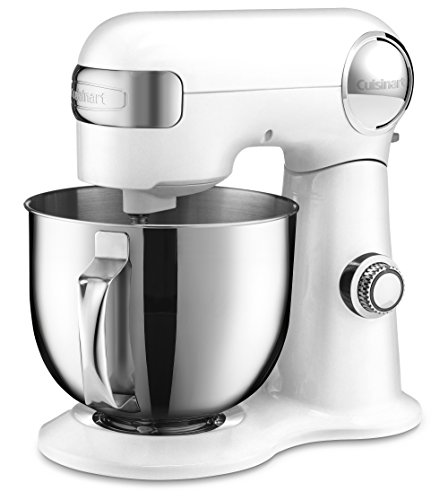 Best Overall
 Best Premium